This day

March 31, 2019

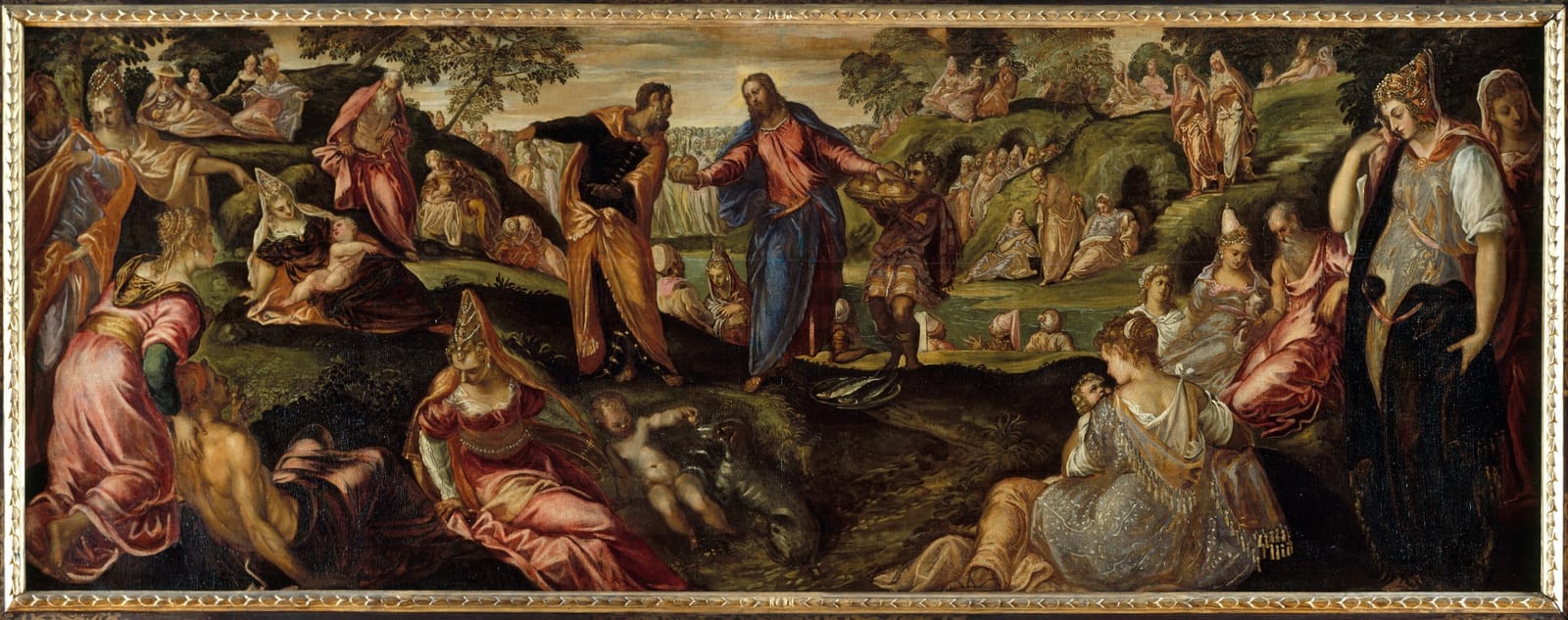
The Miracle of the Loaves and Fishes
The Miracle of the Loaves and Fishes, Tintoretto (1519–1594), c. 1545–1550. Credits

Lent

March 31, 2019

The Fourth Sunday of Lent

From Dom Guéranger’s The Liturgical Year.

This Sunday, called, from the first word of the Introit, Lætare Sunday, is one of the most solemn of the year. The Church interrupts her lenten mournfulness; the chants of the Mass speak of nothing but joy and consolation; the organ, which has been silent during the preceding three Sundays, now gives forth its melodious voice; the deacon resumes his dalmatic, and the subdeacon his tunic; and instead of purple, rose-coloured vestments are allowed to be used. These same rites were practised in Advent, on the third Sunday, called Gaudete. The Church’s motive for introducing this expression of joy into to-day’s liturgy is to encourage her children to persevere fervently to the end of this holy season. The real mid-Lent was last Thursday, as we have already observed; but the Church, fearing lest the joy might lead to some infringement on the spirit of penance, has deferred her own notice of it to this Sunday, when she not only permits, but even bids, her children to rejoice!

The Station at Rome is in the basilica of Holy Cross in Jerusalem, one of the seven principal churches of the holy city.

Chapter 4: Morning and Night Prayers for Lent

From Dom Guéranger’s The Liturgical Year.

During the season of Lent, the Christian, on waking in the morning, should unite himself with the Church, who, at the first dawn of day, begins her psalms of Lauds with these words of the royal prophet: Miserere mei Deus, secundum magnam misericordiam tuam.

He should, after this, profoundly adore that great God, before whom the sinner should tremble, yet whom he fears not to offend, as though deserving neither reverence nor love. It is with this deep sentiment of holy fear that he must perform the first acts of religion, both interior and exterior, wherewith he begins each day of this present season. The time for morning prayer having come, he may use the following method, which is formed upon the very prayers of the Church:— ℣. Benedicamus Patrem et Filium, cum Sancto Spiritu:
℟. Laudemus et superexaltemus eum in sæcula.

The Temptation of Christ in the wilderness
Hans Schäufelein (1480–1540), The Temptation of Christ, from Das Plenarium, 1517. Credits

Email view of this day