This day

July 15, 2019

After Pentecost

July 15, 2019

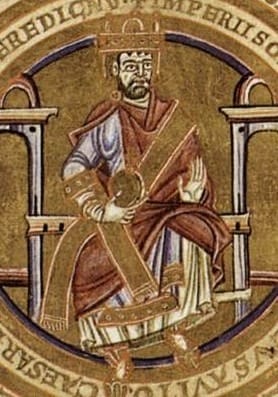
July 15: St. Henry, Emperor

From Dom Guéranger’s The Liturgical Year.

HENRY of Germany, the second king, but the first emperor of that name, was the last crowned representative of that branch of the house of Saxony descended from Henry the Fowler, to which God, in the tenth century, entrusted the mission of restoring the work of Charlemagne and Leo III. This noble stock was rendered more glorious in the flowers of sanctity adorning its branches than in the deep and powerful roots it struck in the German soil by great and long-enduring institutions.

The Holy Spirit, who divideth His gifts according as He will, was then calling to the loftiest destinies that land which, more than any other, had witnessed the energy of His divine action in the transformation of nations. Won to Christ by St. Boniface and the continuators of his work, the vast country which extends beyond the Rhine and the Danube had become the bulwark of the West, and for many years had been the scene of devastation and ruin. Far from attempting to subjugate to her own rule the formidable tribes that inhabited it, pagan Rome, at the very zenith of her power, had had no higher ambition than to raise a wall of separation between them and the Empire: Christian Rome, more truly mistress of the world, set up in their very midst the seat of the Holy Roman Empire reestablished by her Pontiffs.

This week's Sunday: The Fifth Sunday after Pentecost

From Dom Guéranger’s The Liturgical Year.

This Sunday, which, with the Greeks, is called the fifth of St. Matthew, was known by the Latins as the Sunday of the fishing; such was its name up to the time when the Church transferred to the previous Sunday the Gospel which suggested that title. The week which it commences is, in some ancient lectionaries, called the 'first after the feast of the apostles' or of St. Peter; in others it is the second or third after the same feast; these, and similar varieties of names, which it is no rare thing to find in the liturgical books of the Middle Ages, are due to the fact that Easter was kept earlier or later in the years when those books were written.

The Church began last night the reading of the second Book of Kings, which opens with the description of Saul's sad end and David's accession to the throne of Israel. The exaltation of Jesse’s son is the climax to the prophetic life of the ancient people. In David God had found His faithful servant, and He resolved to exhibit him to the world as the most perfect figure of the future Messiah.

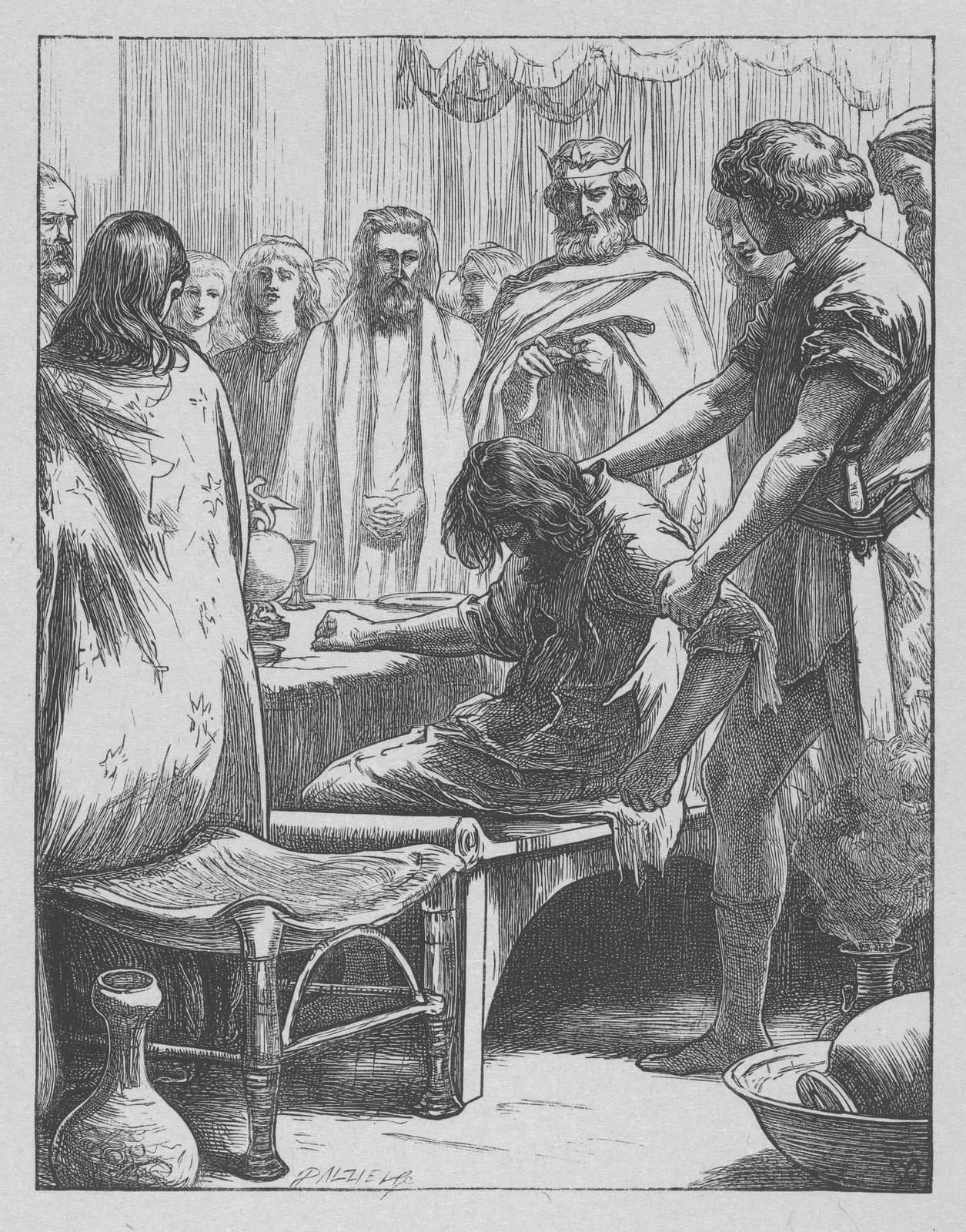
The marriage feast: the guest without a wedding garment
Sir John Everett Millais (1829–1896), The Marriage Feast, from The Parables of Our Lord and Saviour Jesus Christ, 1864. Credits

Email view of this day