This day

July 24, 2019

After Pentecost

July 24, 2019

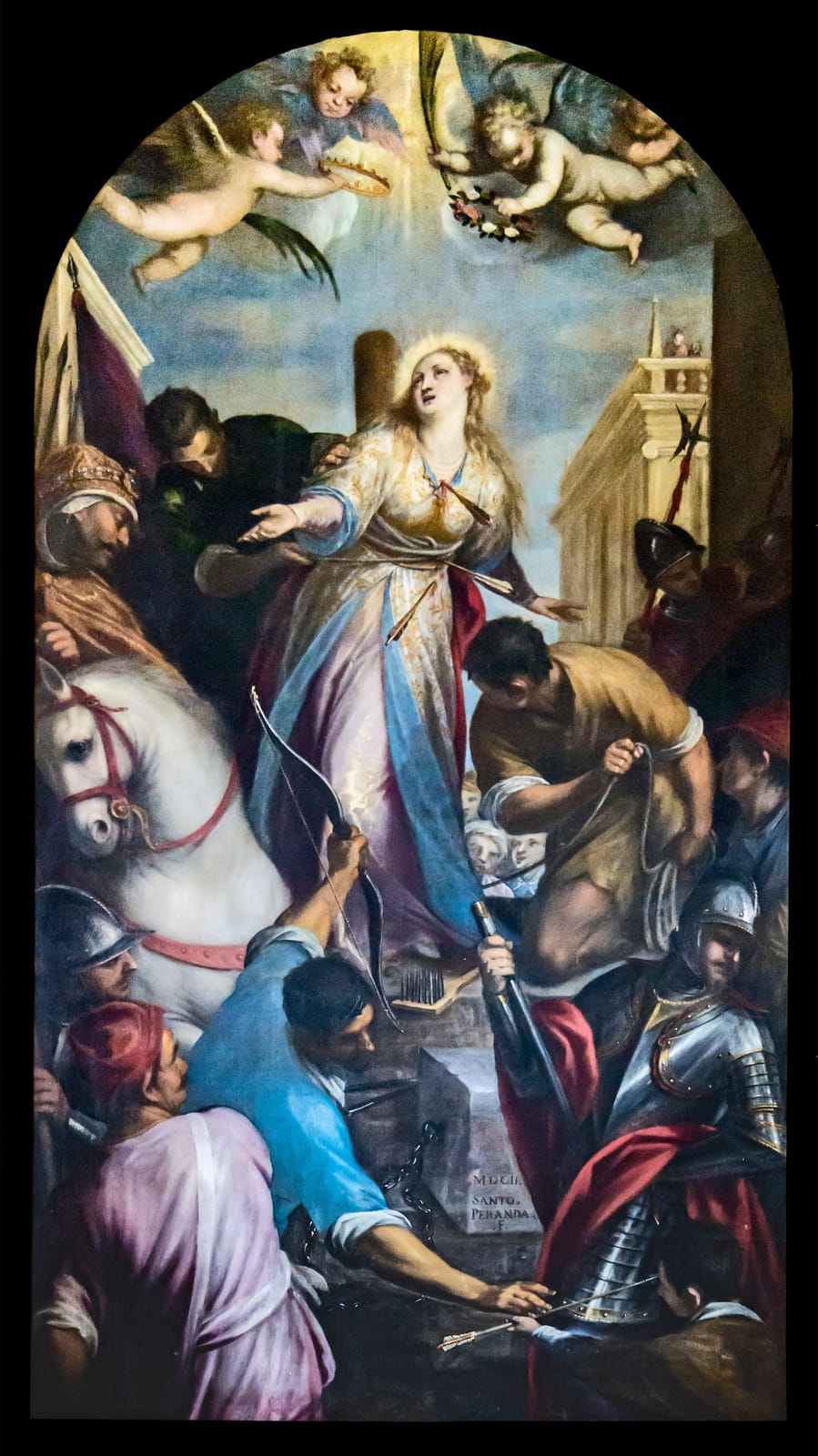
July 24: St. Christina, Virgin and Martyr

From Dom Guéranger’s The Liturgical Year.

CHRISTINA, whose very name fills the Church with the fragrance of the Spouse, comes as a graceful harbinger to the feast of the elder son of thunder. The ancient Vulsinium, seated by its lake with basalt shores and calm clear waters, was the scene of a triumph over Etruscan paganism, when this child of ten years despised the idols of the nations, in the very place where, according to the edicts of Constantine, the false priests of Umbria and Tuscany held a solemn annual reunion.

The discovery of Christina's tomb in our days has confirmed this particular of the age of the martyr as given in her Acts, which were denied authenticity by the science of recent times: one more lesson given to an infatuated criticism which mistrusts everything but itself.

As we look from the shore where the heroic child was laid to rest after her combat, and see the isle where Amalasonte, the noble daughter of Theodoric the Great, perished so tragically, the nothingness of mere earthly grandeur speaks more powerfully to the soul than the most eloquent discourse.

This week's Sunday: The Sixth Sunday after Pentecost

From Dom Guéranger’s The Liturgical Year.

The Office for the sixth Sunday after Pentecost, which began yesterday evening, reminded us, in its Magnificat antiphon, of a repentance which has never had an equal. David, the royal prophet, the conqueror of Goliath, himself conquered by sensuality, and from adulterer become a murderer, at last felt the crushing weight of his double crime, and exclaimed: 'I do beseech thee, O Lord, take away the iniquity of thy servant, for I have done foolishly!'

Sin is always a folly and a weakness, no matter of what kind it may be, or who he be that commits it. The rebel angel, and fallen man, may, in their pride, make efforts to persuade themselves that, when they sinned, they did not act as fools, and were not weak; but all their efforts are vain; sin must ever have this disgrace upon it, that it is folly and weakness, for it is a revolt against God, a contempt for His law, a mad act or the creature, who, being made by his.

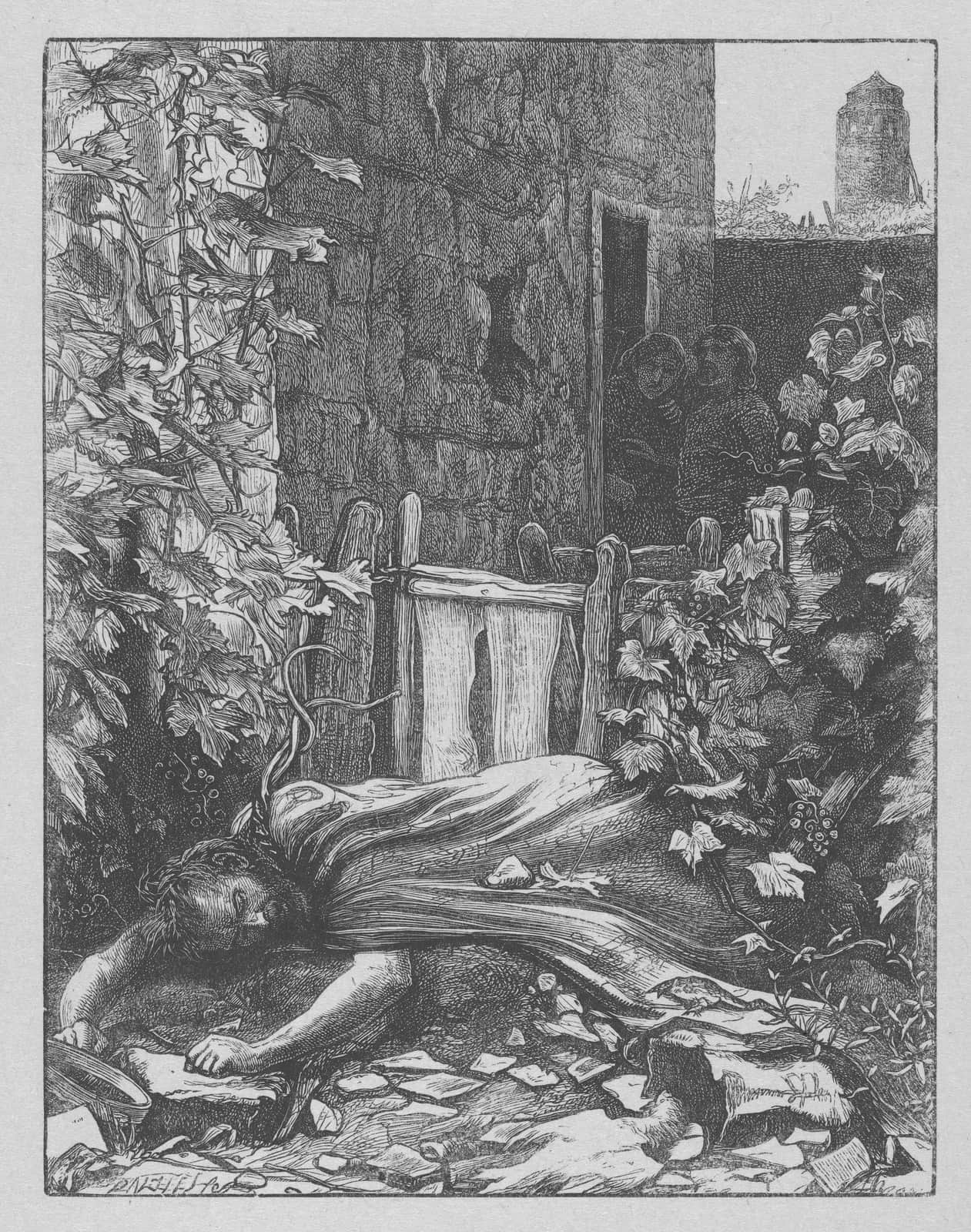
The parable of the wicked husbandmen
Sir John Everett Millais (1829–1896), The Wicked Husbandmen, from The Parables of Our Lord and Saviour Jesus Christ, 1864. Credits

Email view of this day