This day

July 27, 2019

After Pentecost

July 27, 2019

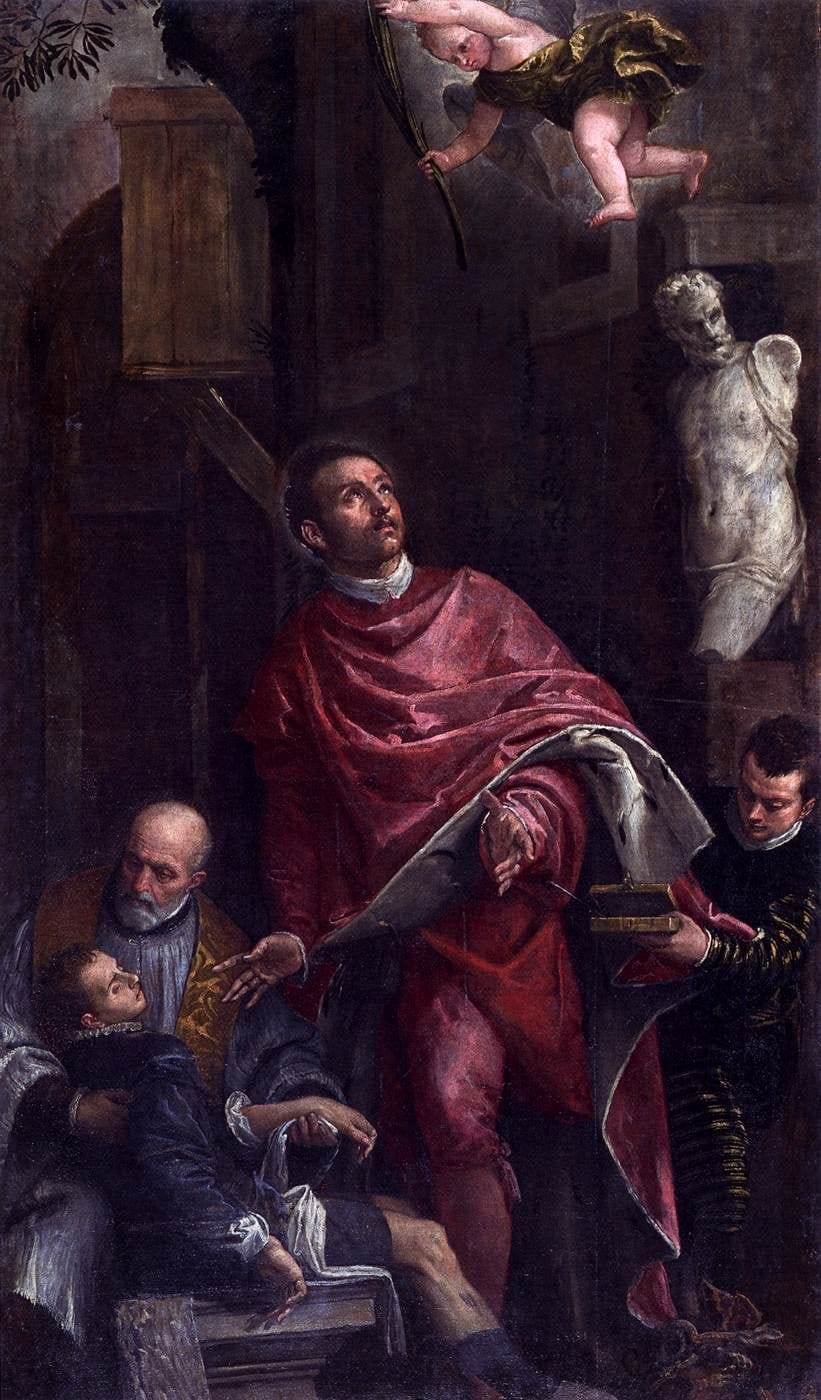
July 27: St. Pantaleon, Martyr

From Dom Guéranger’s The Liturgical Year.

THE East celebrates to-day one of her great martyrs, who was both a healer of bodies and a conqueror of souls. His name, which recalls the strength of the lion, was changed by heaven at the time of his death into Panteleemon, or all-merciful—a happy presage of the gracious blessings our Lord would afterwards bestow on the earth through his means. The various translations and the diffusion of his sacred relics in our West have made his cultus widespread, together with his renown as a friend in need, which has caused him to be ranked among the saints called helpers.

Pantaleon was a nobleman of Nicomedia and a physician. He was instructed in the faith and baptized by the priest Hermolaus, and soon persuaded his father Eustorgius to become a Christian. Afterwards he freely preached the faith of our Lord Christ in Nicomedia, and encouraged all to embrace his doctrine. This was in the reign of Diocletian. He was tortured on the rack and red-hot plates were applied to his body. He bore the violence of these tortures calmly and bravely, and being finally beheaded, obtained the crown of martyrdom.

This week's Sunday: The Sixth Sunday after Pentecost

From Dom Guéranger’s The Liturgical Year.

The Office for the sixth Sunday after Pentecost, which began yesterday evening, reminded us, in its Magnificat antiphon, of a repentance which has never had an equal. David, the royal prophet, the conqueror of Goliath, himself conquered by sensuality, and from adulterer become a murderer, at last felt the crushing weight of his double crime, and exclaimed: 'I do beseech thee, O Lord, take away the iniquity of thy servant, for I have done foolishly!'

Sin is always a folly and a weakness, no matter of what kind it may be, or who he be that commits it. The rebel angel, and fallen man, may, in their pride, make efforts to persuade themselves that, when they sinned, they did not act as fools, and were not weak; but all their efforts are vain; sin must ever have this disgrace upon it, that it is folly and weakness, for it is a revolt against God, a contempt for His law, a mad act or the creature, who, being made by his.

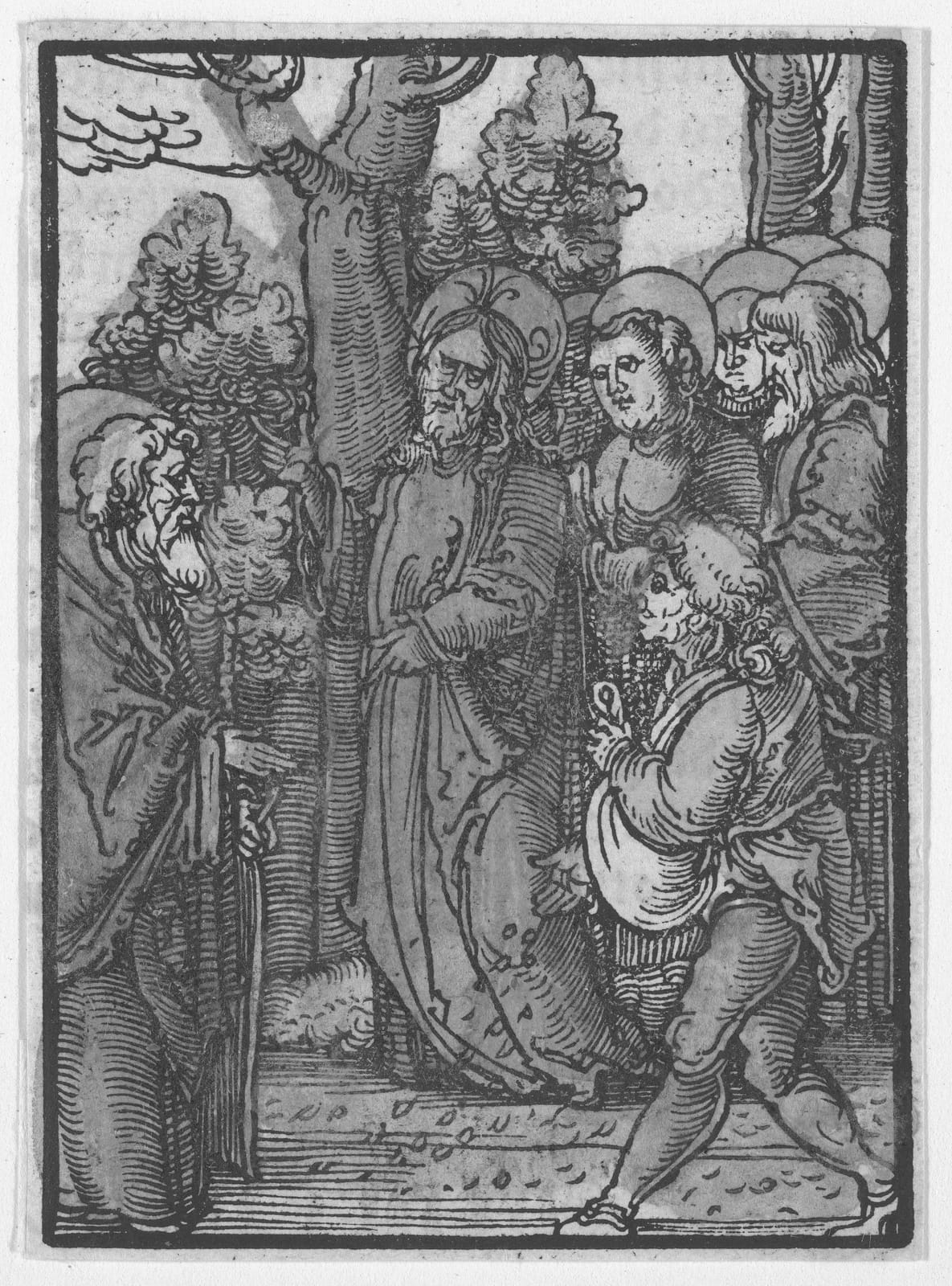
The parable of the wheat and the weeds
Hans Schäufelein (1480–1540), The Parable of the Sower and the Weeds, from Das Plenarium, 1517. Credits

Email view of this day