This day

August 8, 2019

After Pentecost

August 8, 2019

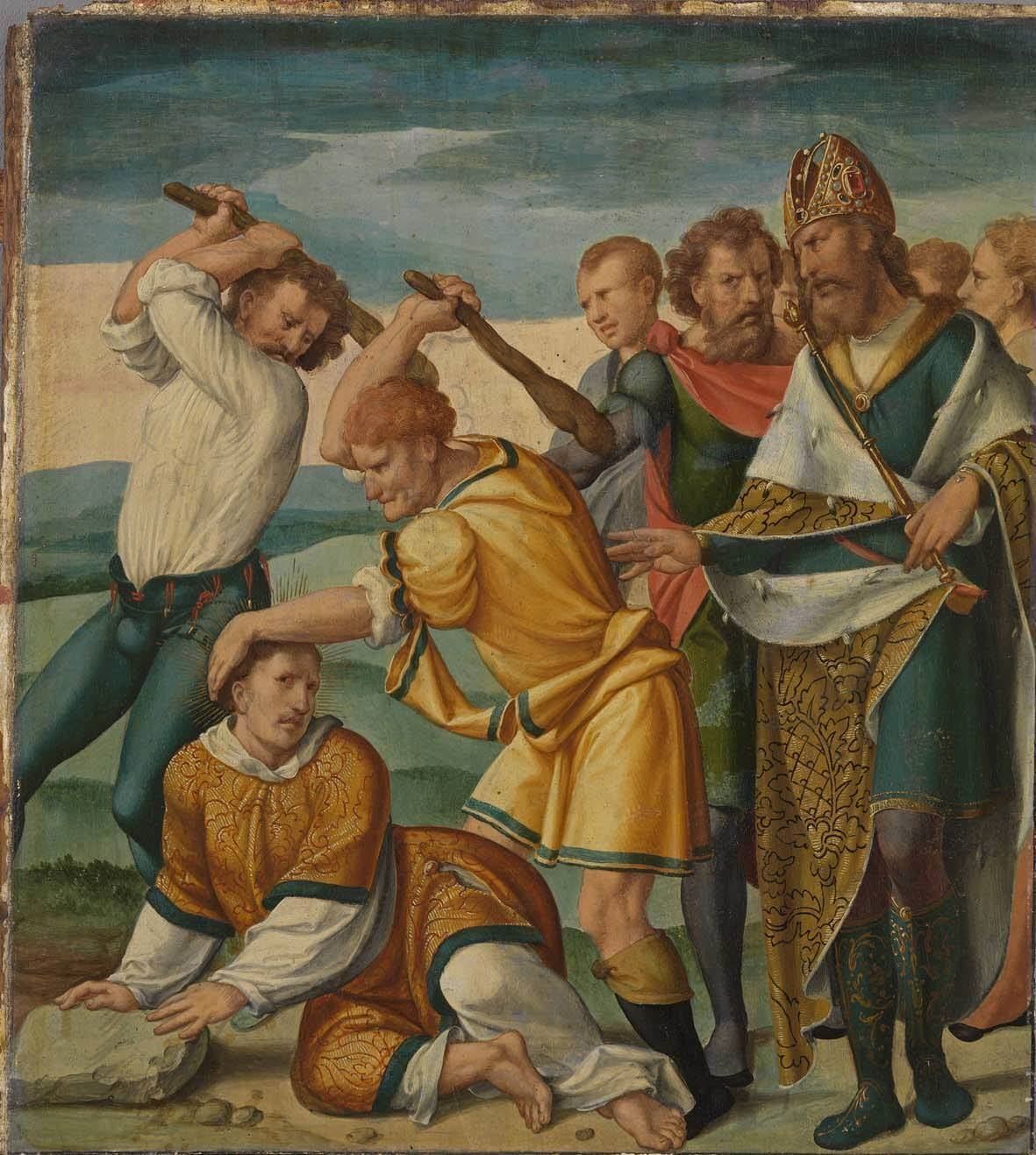
August 8: Sts. Cyriacus, Largus, and Smaragdus, Martyrs

From Dom Guéranger’s The Liturgical Year.

TO-DAY a precursor of Laurence appears on the cycle, the deacon Cyriacus, whose power over the demon made hell tremble, and entitles him to a place among the saints called helpers. He and his companions in martyrdom form one of the noblest groups of Christ's army in that last and decisive battle, wherein the eagerness of the faithful to show that they knew how to die won victory for the Cross. Rome, baptized in the blood she had shed, found herself Christian in spite of herself; all her honours were now to be lavished upon the very men whom in the time of her folly she had put to the sword. Such are Thy triumphs, O Wisdom of God!

Mention of the three martyrs celebrated to-day is to be found in the most authentic calendars of the Church that have come down to us from the fourth century. If then, as Baronius acknowledges, there is some reason for calling in question certain details of the legend, their cultus is none the less immemorial upon earth; and the unwavering devotion of which they are the objects, especially in the sanctuaries enriched with their holy relics, proves that they have great power before the throne of the Lamb.

This week's Sunday: The Eighth Sunday after Pentecost

From Dom Guéranger’s The Liturgical Year.

In the middle ages this Sunday was called the sixth and last Sunday after the Natalis of the apostles (that is, the feast of St. Peter); it was, indeed, the last for the years when Easter had been kept as late in April as was possible; but it was only the first after that feast of St. Peter when Easter immediately followed the spring equinox.

We have already noticed the variable character of this last portion of the liturgical cycle, which is the result of Easter being kept on a different day each year; and that in consequence of this variation this week may be the second in which the Sapiential Books are read, or, what is of more frequent occurrence, the Books of Kings may still be providing the lessons for the Divine Office. In this latter case it is the ancient temple raised by Solomon, the king of peace, to the glory of Jehovah, that engages the Church's attention to-day. We shall find that the portions of the Mass which are chanted on this Sunday are closely connected with the lessons read in last night’s Office.

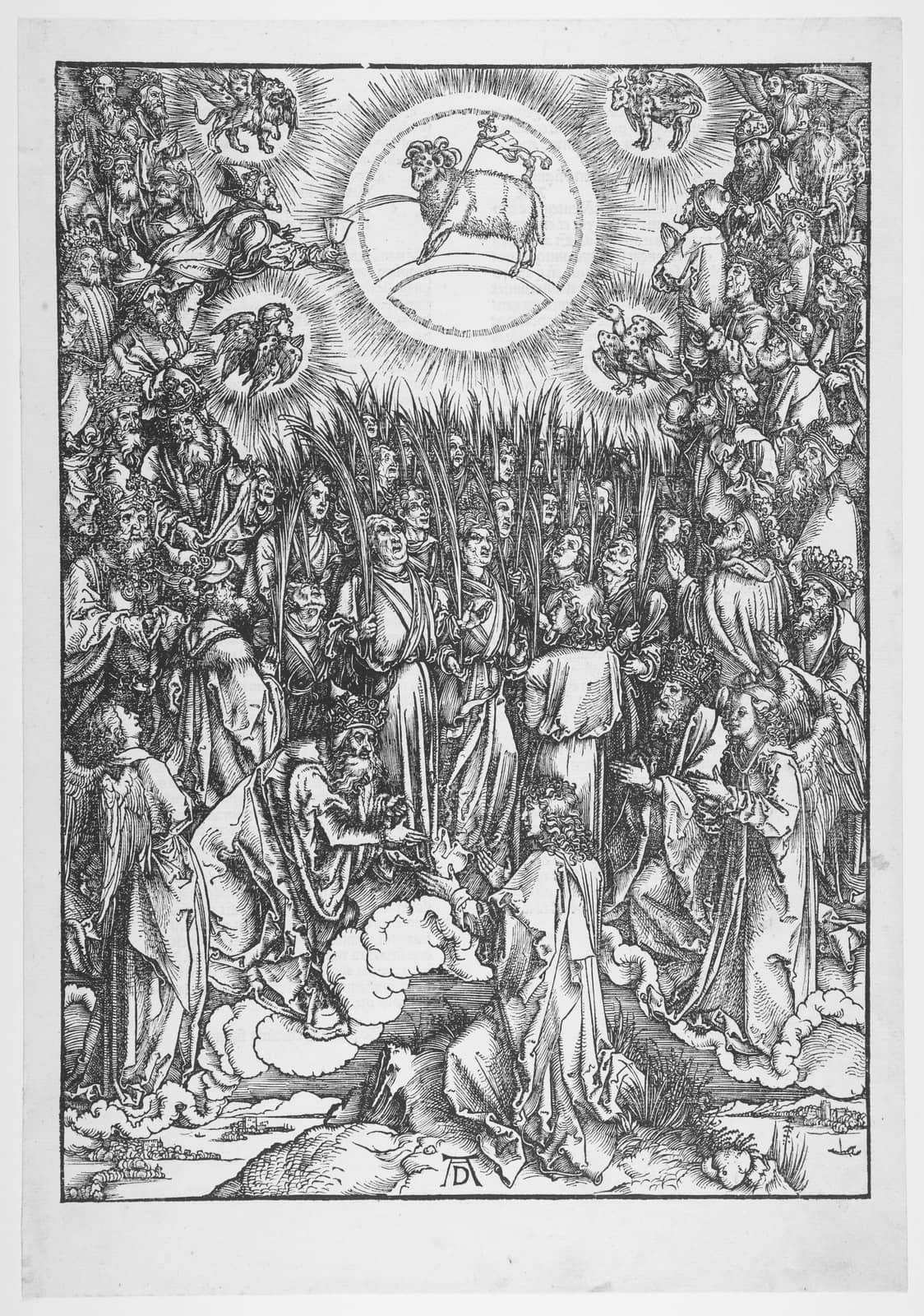
The elders and the saints adore the Lamb
Albrecht Dürer (1471–1528), The Adoration of the Lamb, from The Apocalypse, 1498. Credits

Email view of this day