This day

August 10, 2019

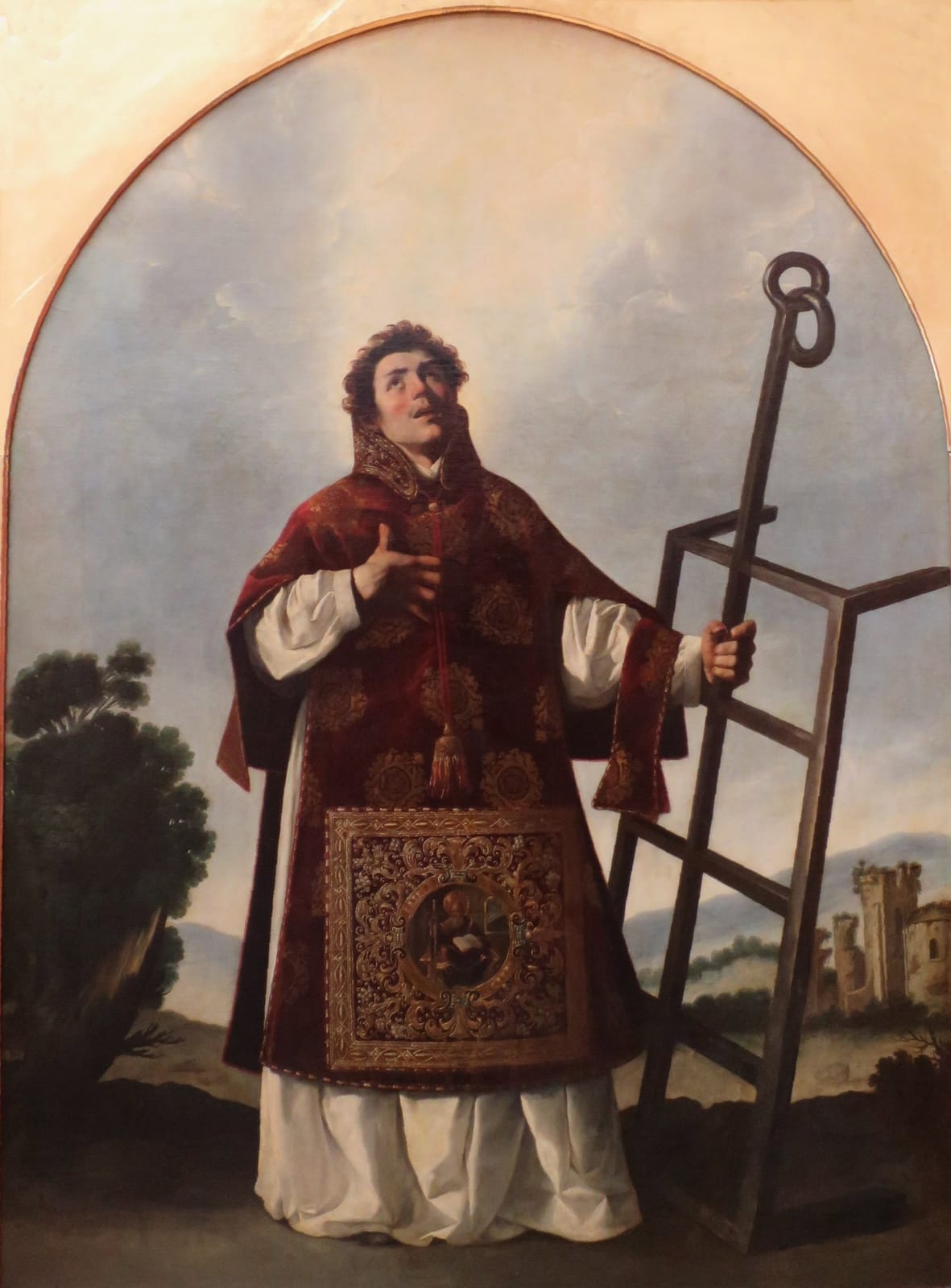
Saint Lawrence
Saint Lawrence, Francisco de Zurbarán (1598–1664), 1636. Credits

After Pentecost

August 10, 2019

August 10: St. Laurence, Deacon and Martyr

From Dom Guéranger’s The Liturgical Year.

‘ONCE the mother of false gods, but now the bride of Christ, O Rome, it is through Laurence thou art victorious! Thou hast conquered haughty monarchs and subjected nations to thine empire; but though thou hadst overcome barbarism, thy glory was incomplete till thou hadst vanquished the unclean idols. This was Laurence's victory, a combat bloody yet not tumultuous like those of Camillus or of Cæsar; it was the contest of faith, wherein self is immolated, and death is overcome by death. What words, what praises suffice to celebrate such a death? How can I worthily sing so great a martyrdom?'

Thus opens the sublime poem of Prudentius, composed little more than a century after the saint's martyrdom. In this work the poet has preserved to us the traditions existing in his own day, whereby the name of the Roman deacon was rendered so illustrious. About the same time St. Ambrose, with his irresistible eloquence, described the meeting of Sixtus and his deacon on the way to martyrdom. But, before both Ambrose and Prudentius, Pope St. Damasus chronicled the victory of Laurence's faith, in his majestic monumental inscriptions, which have such a ring of the days of triumph.

This week's Sunday: The Eighth Sunday after Pentecost

From Dom Guéranger’s The Liturgical Year.

In the middle ages this Sunday was called the sixth and last Sunday after the Natalis of the apostles (that is, the feast of St. Peter); it was, indeed, the last for the years when Easter had been kept as late in April as was possible; but it was only the first after that feast of St. Peter when Easter immediately followed the spring equinox.

We have already noticed the variable character of this last portion of the liturgical cycle, which is the result of Easter being kept on a different day each year; and that in consequence of this variation this week may be the second in which the Sapiential Books are read, or, what is of more frequent occurrence, the Books of Kings may still be providing the lessons for the Divine Office. In this latter case it is the ancient temple raised by Solomon, the king of peace, to the glory of Jehovah, that engages the Church's attention to-day. We shall find that the portions of the Mass which are chanted on this Sunday are closely connected with the lessons read in last night’s Office.

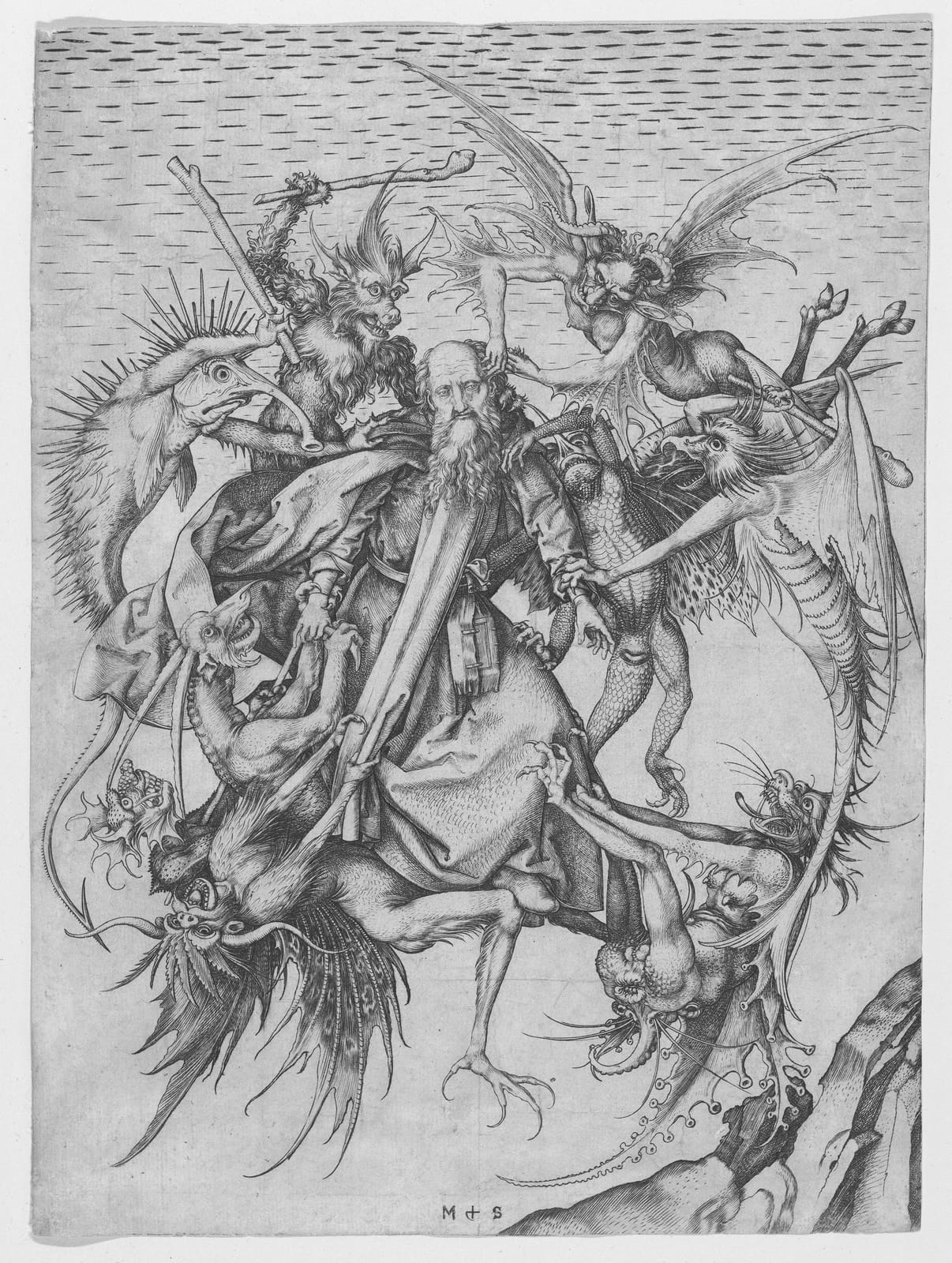
Saint Anthony tormented by demons
Martin Schongauer (ca. 1435/50–1491), Saint Anthony Tormented by Demons, ca. 1470–75. Credits

Email view of this day