This day

August 24, 2019

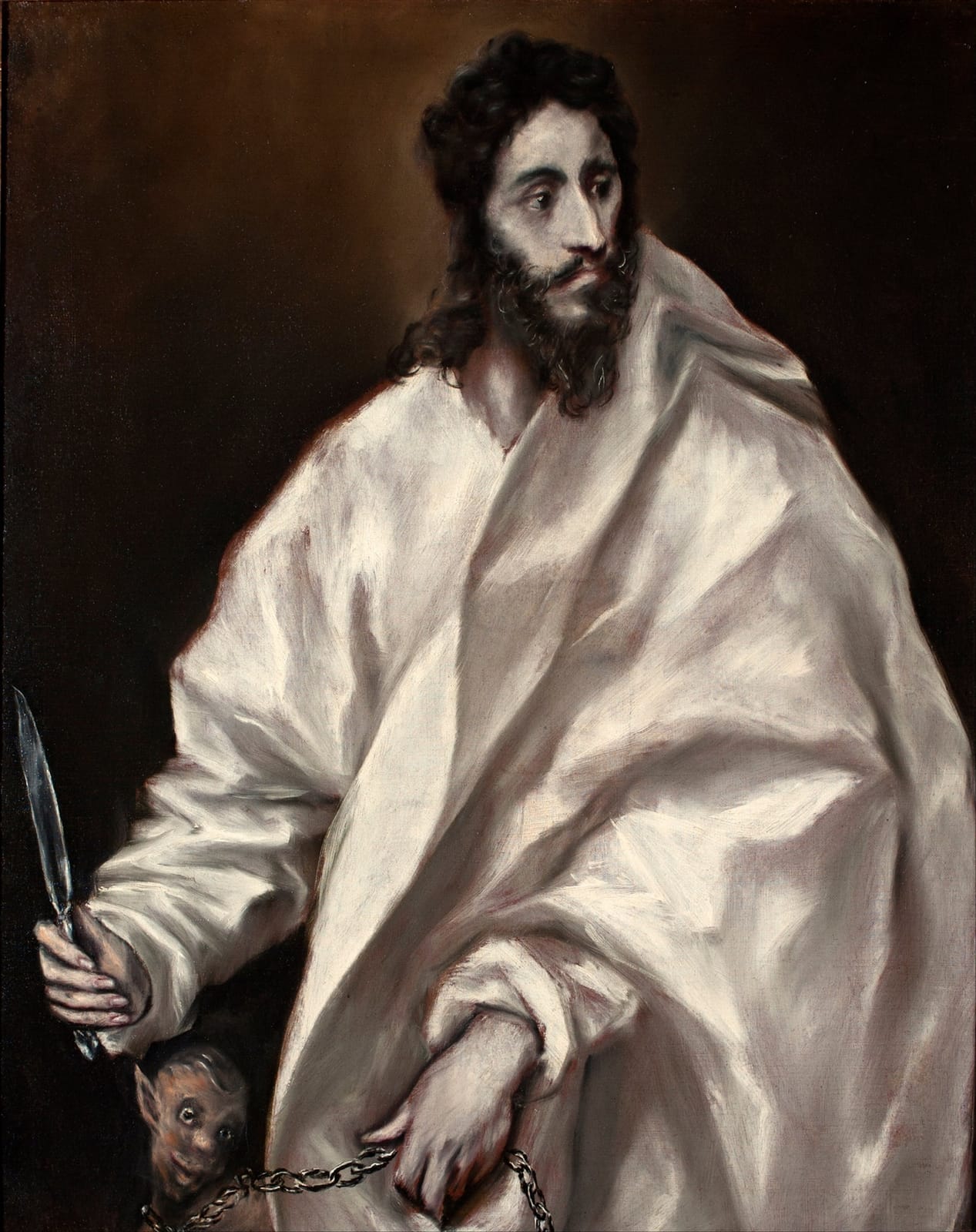
Saint Bartholomew
Saint Bartholomew, El Greco (1541–1614), c. 1610–1614. Credits

After Pentecost

August 24, 2019

August 24: St. Bartholomew, Apostle

From Dom Guéranger’s The Liturgical Year.

A witness of the Son of God, one of the princes who announced His glory to the nations, lights up this day with his apostolic flame. While his brethren of the sacred college followed the human race into all the lands whither the migration of nations had led it, Bartholomew appeared as the herald of the Lord at the very starting point, the mountains of Armenia, whence the sons of Noe spread over the earth. There had the figurative Ark rested; humanity, everywhere else a wanderer, was there seated in stillness, remembering the dove with its olive branch, and awaiting the consummation of the alliance signified by the rainbow which had there for the first time glittered in the clouds. Behold, blessed tidings awake in those valleys the echoes of ancient traditions: tidings of peace, making the universal deluge of sin subside before the Wood of salvation. The serenity announced by the dove of old, was now far outdone. Love was to take the place of punishment. The ambassador of heaven showed God to the sons of Adam, as the most beautiful of their own brethren.

This week's Sunday: The Tenth Sunday after Pentecost

From Dom Guéranger’s The Liturgical Year.

The destruction of Jerusalem has closed that portion of the prophetic Scriptures which was based on the institutions and history of the figurative period. The altar of the true God, built by Solomon on the summit of Moriah, was the authentic evidence of the true religion, to those who were then living under the Law of expectation. Even after the promulgation of the new Testament, the continued existence of that altar (the only one heretofore recognized by the Most High as His own) was some sort of an excuse for such of the Jews as clung obstinately to the old order of things. That excuse was taken away when the temple was so destroyed as that not a stone was left on a stone; and the blindest partisans of the Mosaic system were compelled to acknowledge the total abrogation of a religion which was reduced by God Himself to the impossibility of ever offering the sacrifices essential to its existence.

The considerateness wherewith the Church had, so far, treated the Synagogue would henceforward be unmeaning.

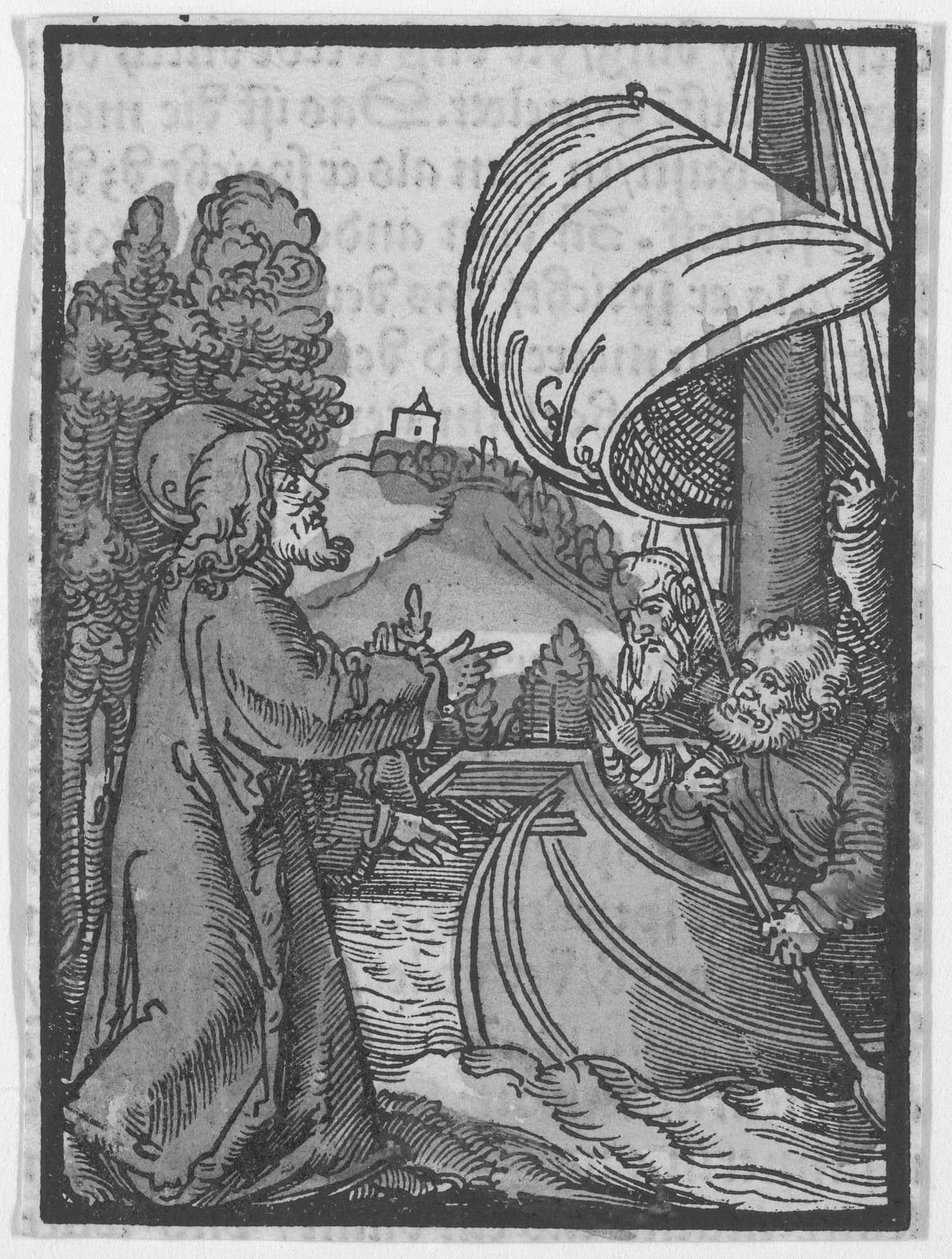
Christ calming the storm on the lake
Hans Schäufelein (1480–1540), Christ Calming the Storm on Lake Tiberias, from Das Plenarium, 1517. Credits

Email view of this day