This day

August 31, 2019

Saint Raymond Nonnatus
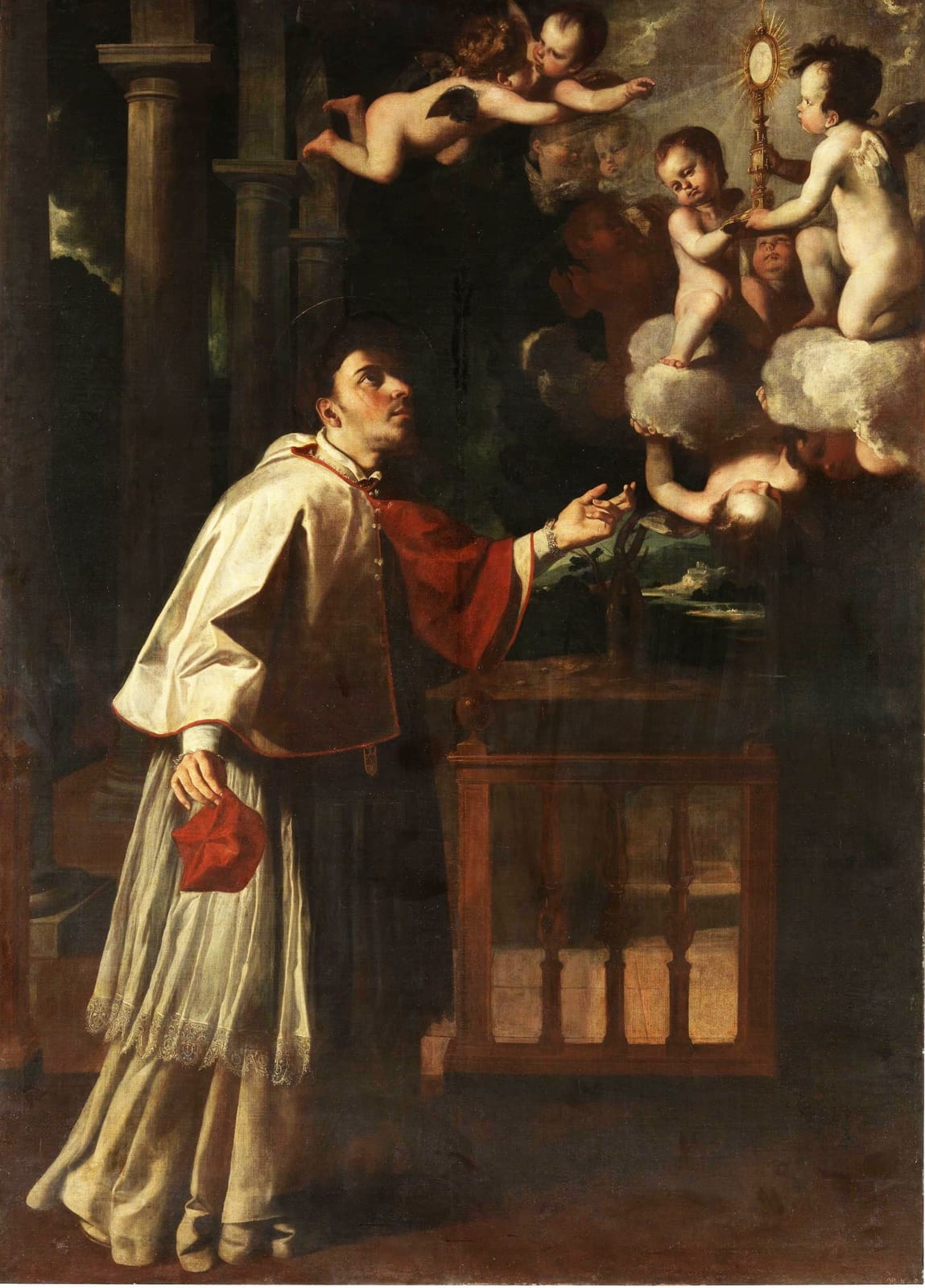
Saint Raymond Nonnatus, Jerónimo Jacinto de Espinosa (1600–1667), 17th century. Credits

After Pentecost

August 31, 2019

August 31: St. Raymund Nonnatus, Confessor

From Dom Guéranger’s The Liturgical Year.

August closes as it began, with a feast of deliverance; as though that were the divine seal set by eternal Wisdom upon this month—the month when holy Church makes the works and ways of divine Wisdom the special object of her contemplation.

Upon the fall of our first parents and their expulsion from paradise, the Word and Wisdom of God, that is, the second Person of the blessed Trinity, began the great work of our deliverance—that magnificent work of human redemption which, by an all-gracious, eternal decree of the three divine Persons, was to be wrought out by the Son of God in our flesh. And as that blessed Saviour, in His infinite wisdom, made spontaneous choice of sorrows, of sufferings, and of death on a cross, as the best means of our redemption, so has He always allotted to His best loved friends, the kind of life which He had deliberately chosen for Himself, that is, the way of the cross. And the nearest and dearest to Him were those who were predestined, like His blessed Mother, the Mater Dolorosa, to have the honour of being most like Himself, the Man of sorrows.

This week's Sunday: The Eleventh Sunday after Pentecost

From Dom Guéranger’s The Liturgical Year.

With the Greeks, this Sunday—their eleventh of Saint Matthew—is called the Parable of the King, who calls his servants to account. In the western Church, it has gone under the name of Sunday of the deaf and dumb, ever since the Gospel of the pharisee and the publican has been assigned to the tenth. To-day's Mass, as we now have it, still gives evidence as to what was its ancient arrangement. Our commentary on to-day's liturgy will show us this very plainly.

In the years when Easter falls nearest to March 21 the Books of Kings are continued as lessons of Matins up to, but never beyond, this Sunday. The sickness of the good king Ezechias, and the miraculous cure he obtained by his prayers and tears, are then the subject of the first lessons of the night-Office.

The learned and pious Abbot Rupert, writing on this Sunday's Mass previous to the change made in the order of the Gospel lessons, thus explains the Church's reason for selecting the following Introit: ‘The publican in the Gospel accuses himself, saying: “I am not worthy to lift up mine eyes to heaven.”

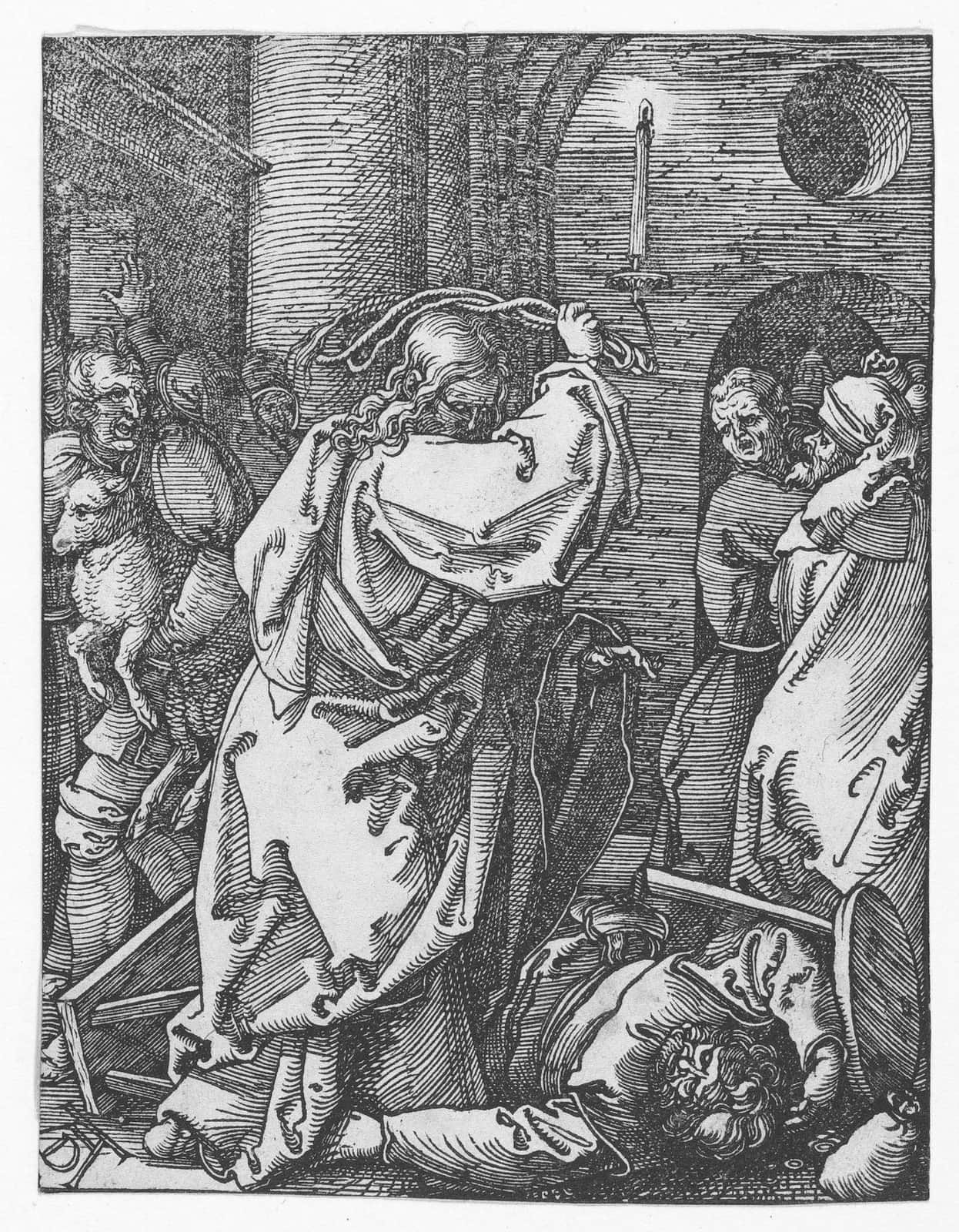
Christ driving the money-changers from the Temple
Albrecht Dürer (1471–1528), Christ Expelling the Money Lenders, from The Small Passion, ca. 1508. Credits

Email view of this day