This day

September 14, 2019

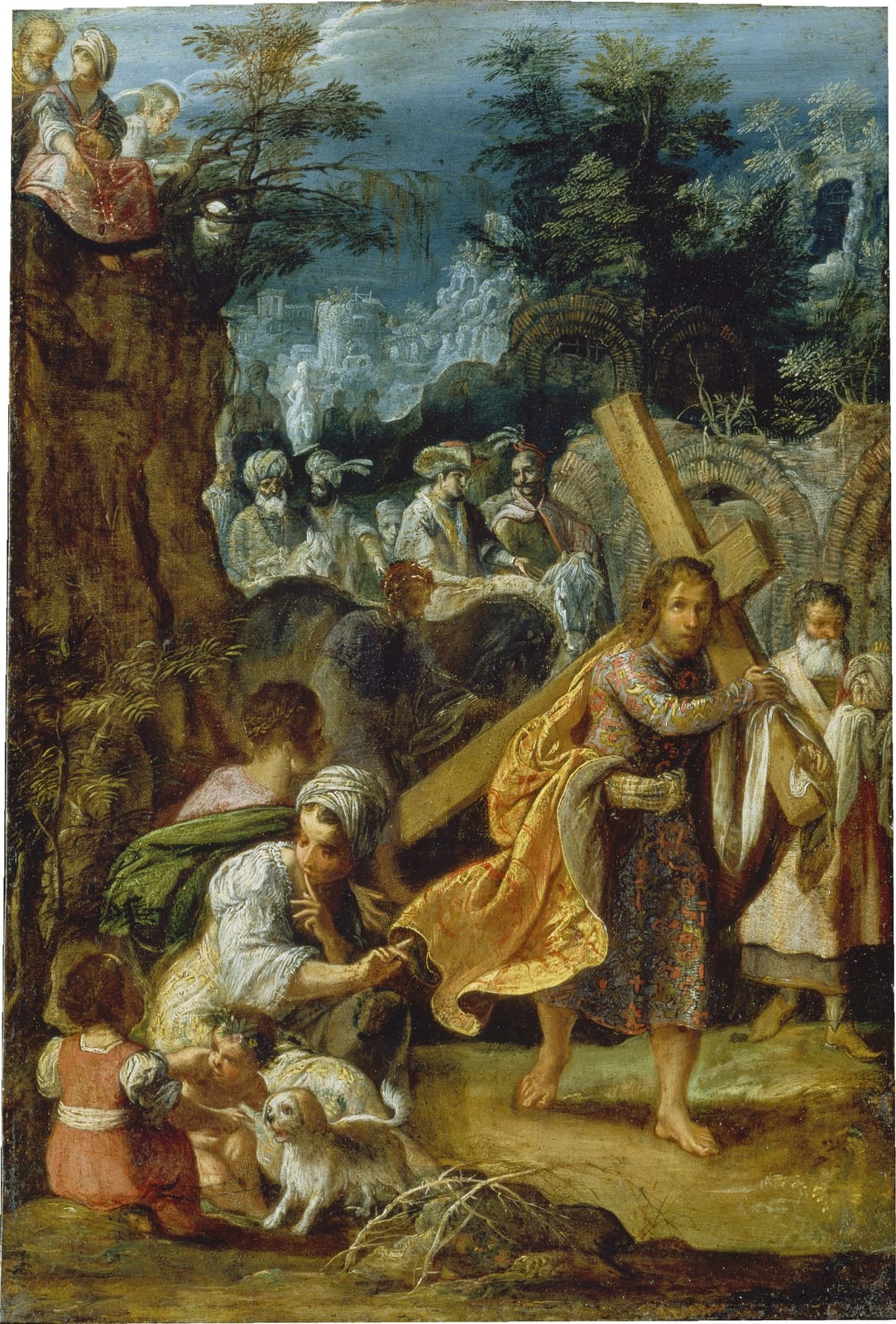
Emperor Heraclius' Entry into Jerusalem with the Cross
Heraclius' Entry into Jerusalem, Adam Elsheimer (1578–1610), c. 1605. Credits

After Pentecost

September 14, 2019

September 14: The Exaltation of the Holy Cross

From Dom Guéranger’s The Liturgical Year.

‘Through thee the precious cross is honoured and worshipped throughout the world.’ Thus did Saint Cyril of Alexandria apostrophize our Lady on the morrow of that great day, which saw her divine maternity vindicated at Ephesus. Eternal Wisdom has willed that the octave of Mary’s birth should be honoured by the celebration of this feast of the triumph of the holy cross. The cross indeed is the standard of God’s armies, whereof Mary is the Queen; it is by the cross that she crushes the serpent’s head, and wins so many victories over error, and over the enemies of the Christian name.

‘By this sign thou shalt conquer.’ Satan had been suffered to try his strength against the Church by persecution and tortures; but his time was drawing to an end. By the edict of Sardica, which emancipated the Christians, Galerius, when about to die, acknowledged the powerlessness of hell. Now was the time for Christ to take the offensive, and for His cross to prevail. Towards the close of the year 311, a Roman army lay at the foot of the Alps, preparing to pass from Gaul into Italy.

This week's Sunday: The Thirteenth Sunday after Pentecost

From Dom Guéranger’s The Liturgical Year.

The dominical series—which formerly counted from the feast of Saint Peter, or of the apostles—never went beyond this Sunday. The feast of Saint Laurence gave its name to those which follow; though that name began with even the ninth Sunday, for the years when Easter was further from the Spring equinox. And when that solemnity was kept at its latest date, the weeks began from to-day to be counted as the weeks of the seventh month (September).

The Ember-days of the autumn quarter sometimes occur even this week; whilst, other years, they may be as late as the eighteenth. We will speak of them when we come to the seventeenth Sunday, for it is in the week following that, that the Roman missal inserts them.

In the western Church, the thirteenth Sunday takes its name from the Gospel of the ten lepers, which is read in the Mass; the Greeks, who count it as the thirteenth of Saint Matthew, read on it the parable of the vineyard, whose labourers, though called at different hours of the day, all receive the same pay.

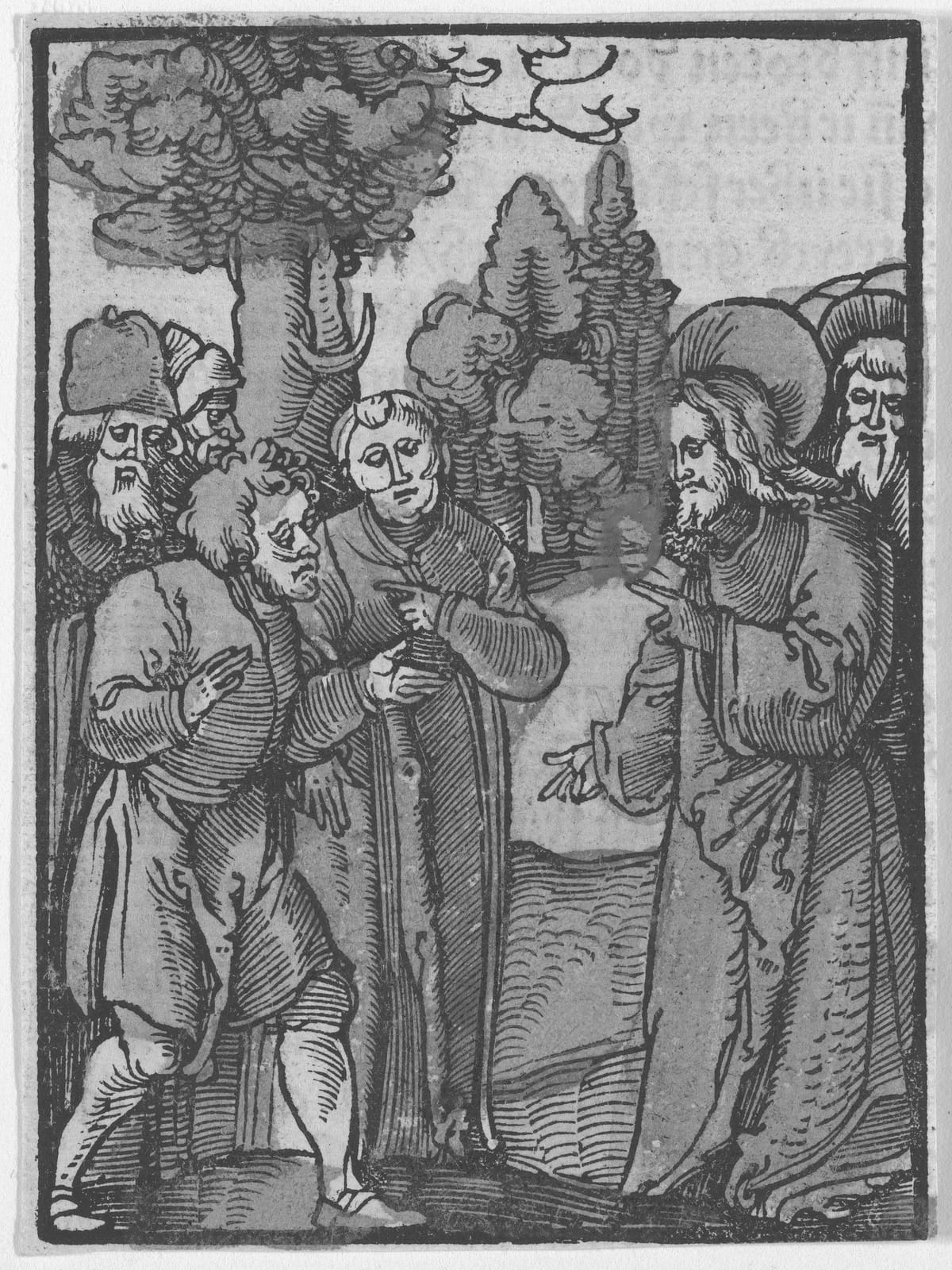
Christ speaking with the Pharisees
Hans Schäufelein (1480–1540), Christ and the Pharisees, from Das Plenarium, 1517. Credits

Email view of this day