This day

October 10, 2019

After Pentecost

October 10, 2019

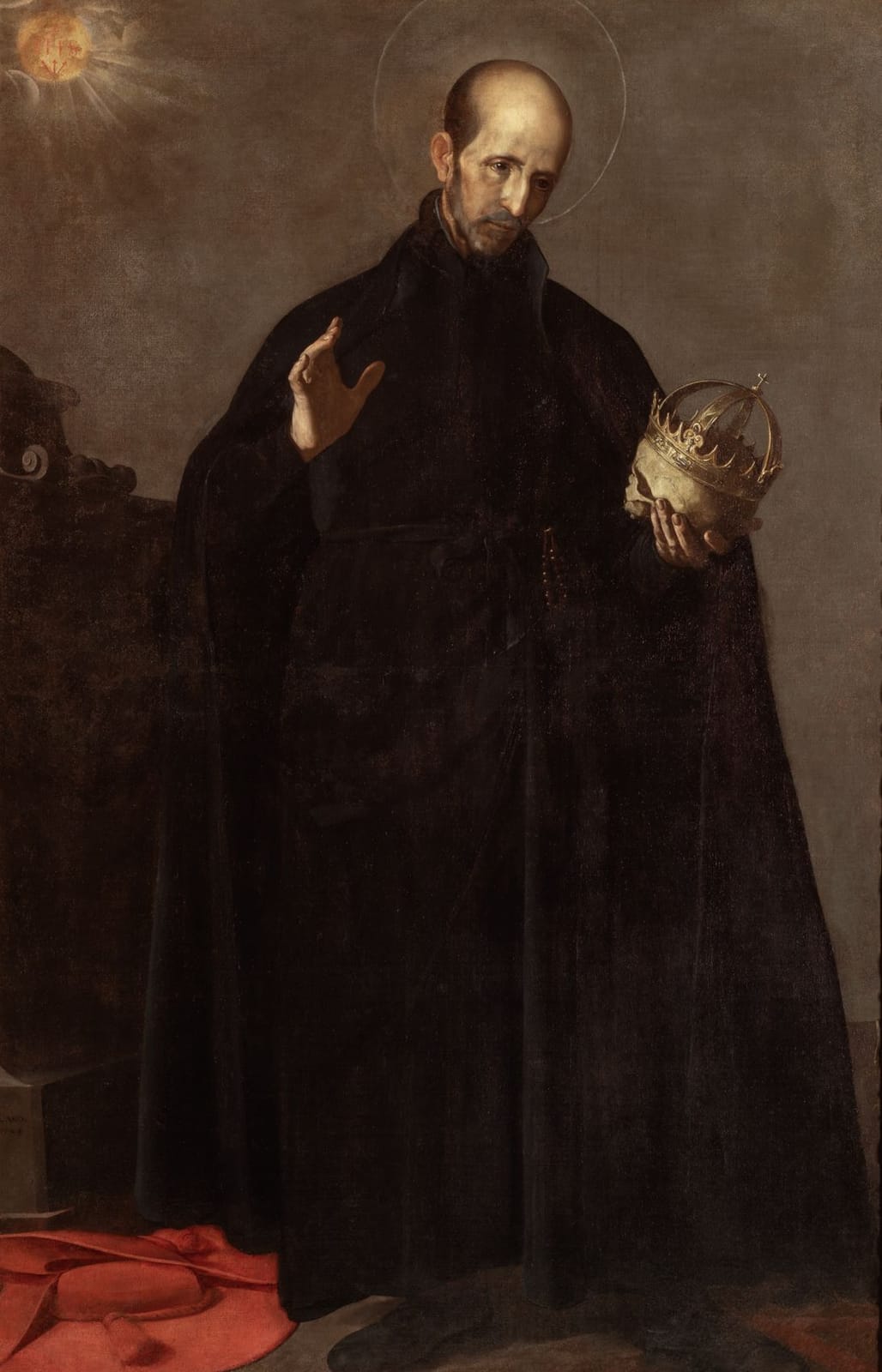
October 10: St. Francis Borgia, Confessor

From Dom Guéranger’s The Liturgical Year.

Vanity of vanities and all is vanity. No argument was needed to impress this truth upon the saint of to-day, when the coffin was opened which contained all that Spain had admired of youth and loveliness, and death suddenly revealed to him its awful reality. O ye beauties of all times, death alone never dies; it invites itself to your dances and pleasures, it assists at all your triumphs, it hears promises said to be eternal: and how quickly it can scatter your adorers! A few years, a few days, perhaps even less, and all your borrowed sweetness will be decaying in the tomb!

‘Enough of vain phantoms; enough of serving mortal kings; awaken, O my soul!’ Such was Francis Borgia’s reply to the teachings of death. The friend of Charles V, the great lord unequalled for nobility, fortune, and brilliant qualities, quitted the court as soon as possible. Ignatius, the soldier of the siege of Pampeluna, beheld at his feet the viceroy of Catalonia, begging to be protected against the honours which pursued him even under the poor habit of a Jesuit, which was now his glory.

This week's Sunday: The Seventeenth Sunday after Pentecost

From Dom Guéranger’s The Liturgical Year.

The Gospel, which is now assigned to the Mass of the seventeenth Sunday, has given it the name of the Sunday of the love of God, dating, that is, from the time when the Gospel of the cure of the dropsy and of the invitation to the wedding-feast was anticipated by eight days. Previously even to that change, and from the very first, there used to be read, on this seventeenth Sunday, another passage from the new Testament, which is no longer found in this series of Sundays: it was the Gospel which mentions the difficulty regarding the resurrection of the dead, which the Sadducees proposed to our Lord.

The judgments of God are always just, whether it be, in His justice, humbling the proud, or, in His mercy, exalting the humble. This day last week we saw this sovereign disposer of all things, allotting to each his place at the divine banquet. Let us recall to mind the behaviour of the guests, and the respective treatment shown to the humble and the proud.

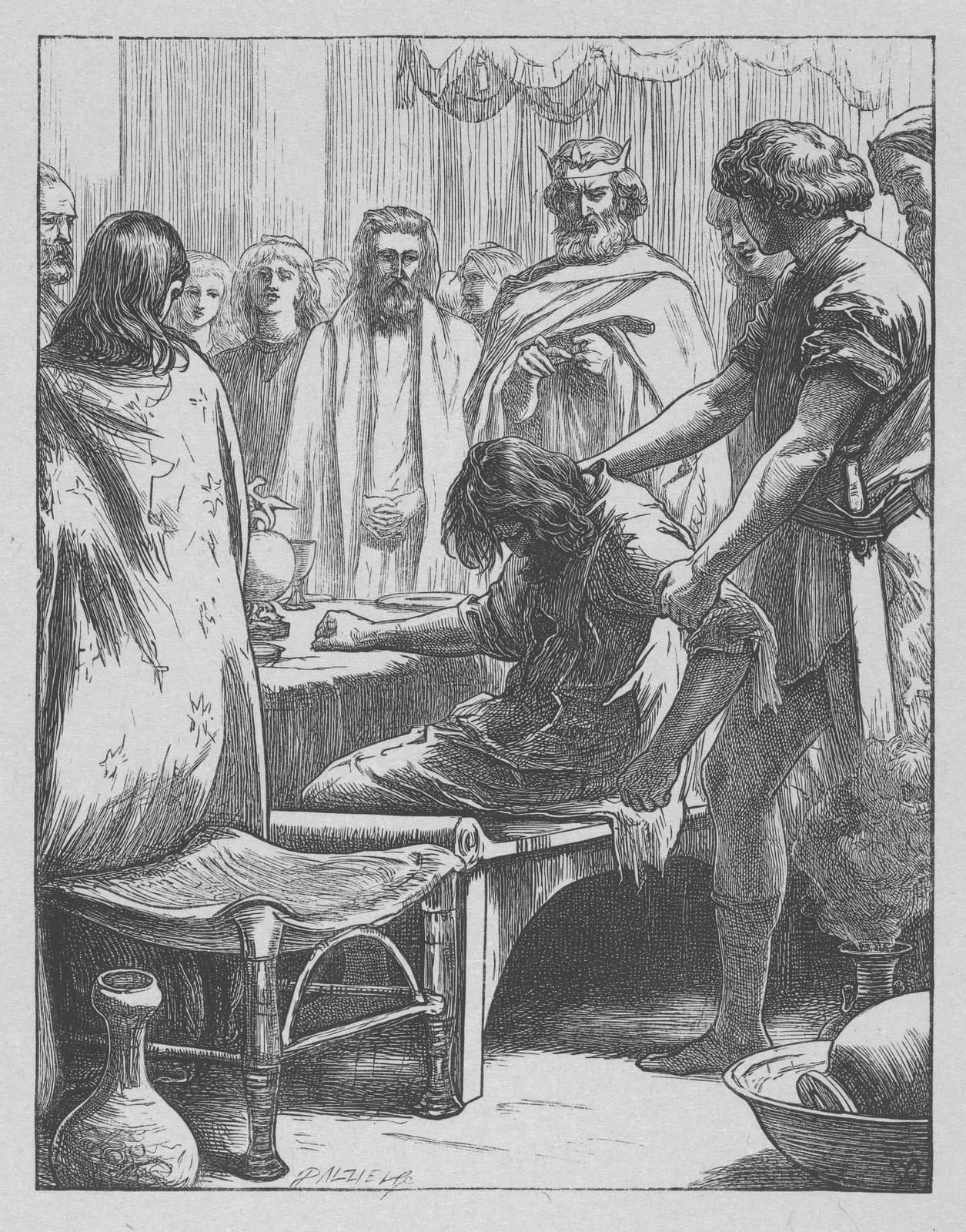
The marriage feast: the guest without a wedding garment
Sir John Everett Millais (1829–1896), The Marriage Feast, from The Parables of Our Lord and Saviour Jesus Christ, 1864. Credits

Email view of this day