This day

October 14, 2019

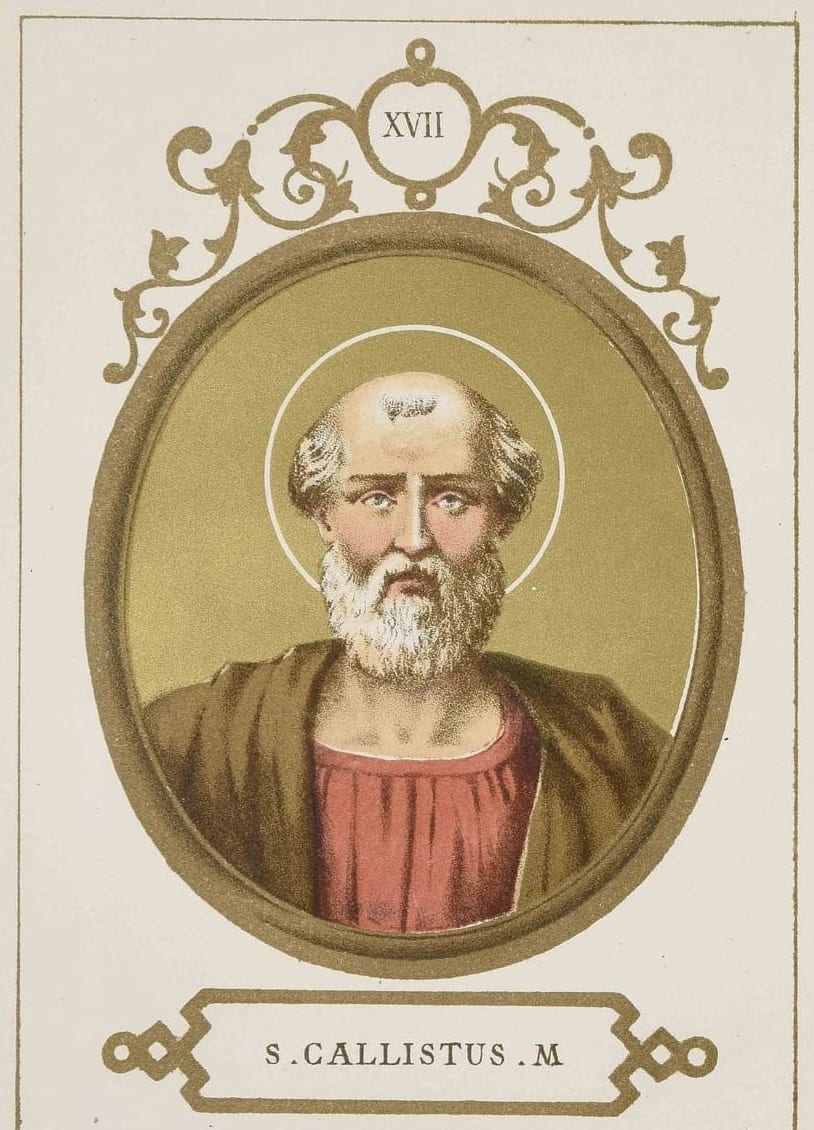
S. Callistus M.
S. Callistus M., Oleografia Panigati e Meneghini Milano, 1879. Credits

After Pentecost

October 14, 2019

October 14: St. Callixtus I, Pope and Martyr

From Dom Guéranger’s The Liturgical Year.

He was a sign of contradiction in Israel. In his own time, Christians were ranged either around him or against him. The trouble excited by his mere name sixteen hundred years ago, was renewed in the middle of the nineteenth century by the discovery of a famous book, which gave an occasion to the sectaries of our own days to stand with those of old against Callixtus and the Church. The book, entitled Philosophumena or refutation of heresies, was composed in the third century; it represented Callixtus, whose life and character were painted in the darkest colours, as one of the worst corruptors of doctrine.

In that third century, however, the author of the Philosophumena, attacking the Pontiff he wished to supplant, and setting up in Rome, as he himself acknowledges, Chair against Chair, did but publish to the Church his own shame, by ranging himself among those very dissenters of whom his book professed to be the refutation and the history. The name of this first antipope has not come down to us. But behold his punishment! The work of his envious pen, despised by his contemporaries, was to reappear at the right moment to awaken the slumbering attention of a far-off posterity.

This week's Sunday: The Eighteenth Sunday after Pentecost

From Dom Guéranger’s The Liturgical Year.

The paralytic carrying his bed is the subject of this day’s Gospel, and gives the eighteenth Sunday after Pentecost its title. This Sunday is inserted in the missal immediately after the Ember-days of autumn. We will not, like the liturgists of the Middle Ages, discuss the question of its having taken the place of the vacant Sunday, which formerly used always to follow the ordination of the sacred ministers, in the manner we have elsewhere described. Manuscript sacramentaries and lectionaries of very ancient date give it the name, which was so much in use, of Dominica vacat. Whatever may be the conclusion arrived at, there is one interesting point for consideration, viz., that in the Mass of this day the order of the lessons taken from St. Paul is broken. The Letter to the Ephesians, which has furnished the Epistles since the sixth Sunday after Pentecost, is to-day interrupted, and in its stead we have some verses from the first Epistle to the Corinthians, wherein the apostle gives thanks to God for the manifold gratuitous gifts granted, in Christ Jesus, to the Church.

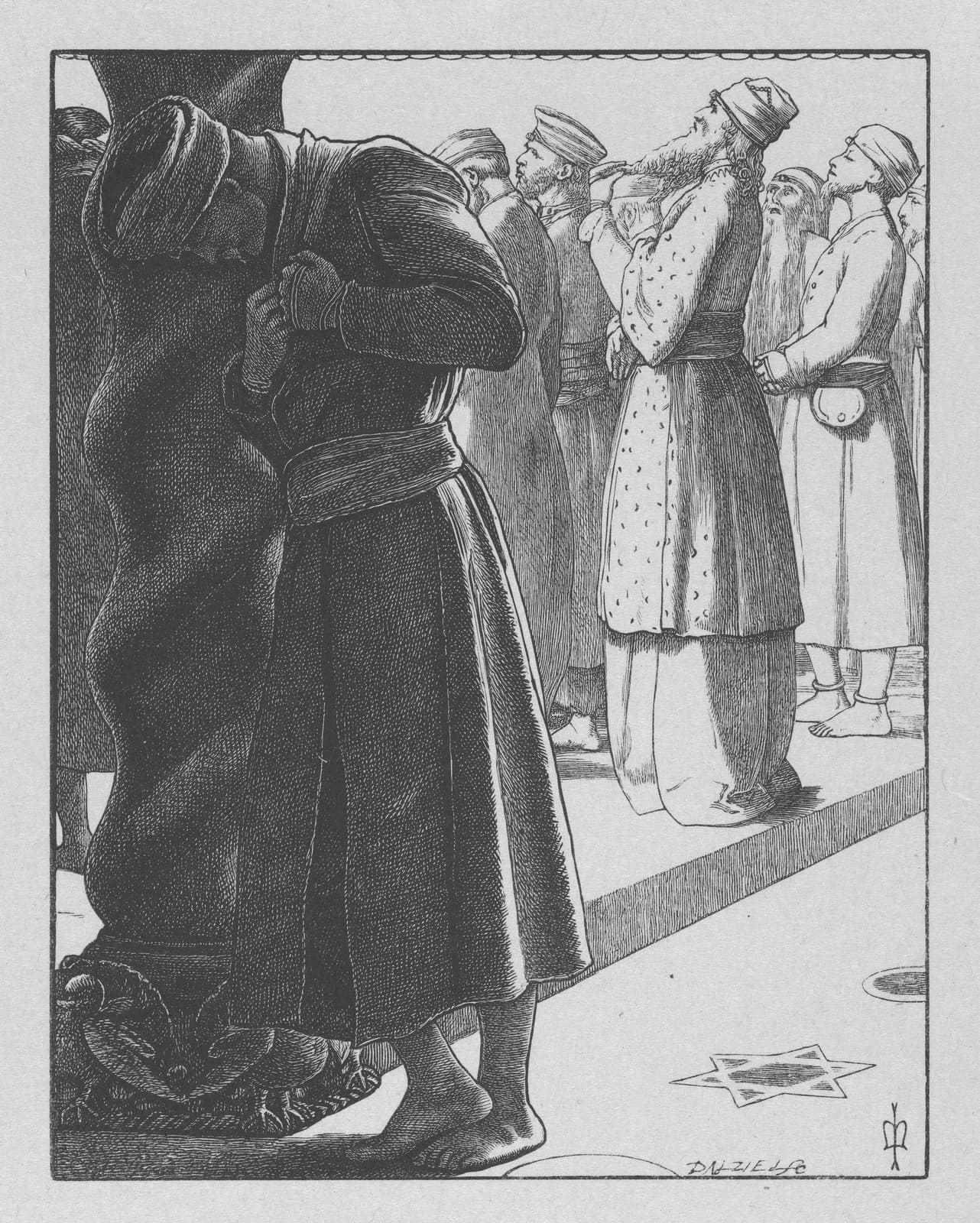
The Pharisee and the publican in the Temple
Sir John Everett Millais (1829–1896), The Pharisee and the Publican, from The Parables of Our Lord and Saviour Jesus Christ, 1864. Credits

Email view of this day