After Pentecost
November 2, 2019
From Dom Guéranger’s The Liturgical Year.
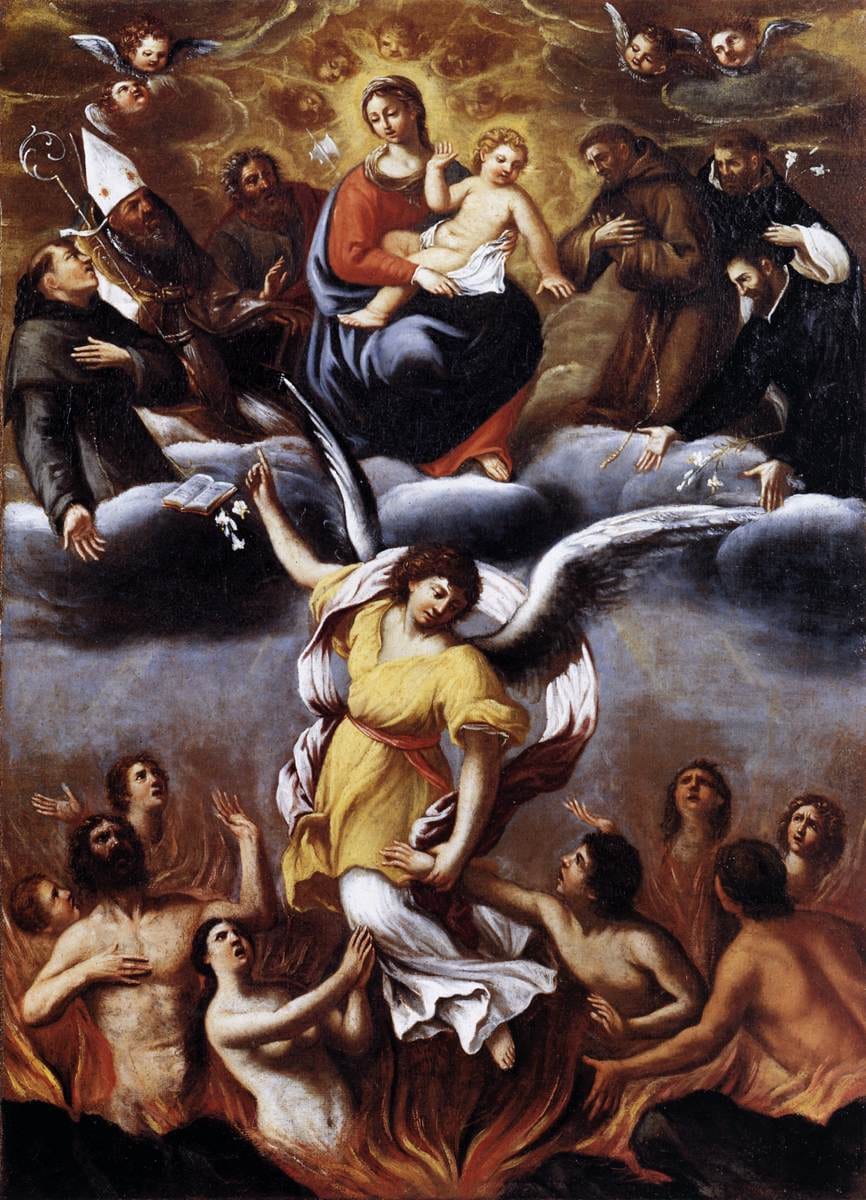
We will not have you ignorant, brethren, concerning them that are asleep, that you be not sorrowful, even as others who have no hope. The Church today has the same desire as the Apostle thus expressed to the first Christians. The truth concerning the dead not only proves admirably the union between God’s justice and his goodness; it also inspires a charitable pity which the hardest heart cannot resist, and at the same time offers to the mourners the sweetest consolation. If faith teaches us the existence of a purgatory, where our loved ones may be detained by unexpiated sin, it is also of faith that we are able to assist them; and theology assures us that their more or less speedy deliverance lies in our power. Let us call to mind a few principles, which throw light on this doctrine. Every sin causes a twofold injury to the sinner: it stains his soul, and renders him liable to punishment. Venial sin, which displeases God, requires a temporal expiation. Mortal sin deforms the soul, and makes the guilty man an abomination to God: its punishment cannot be anything less than eternal banishment, unless the sinner, in this life, prevent the final and irrevocable sentence.