This day

November 19, 2019

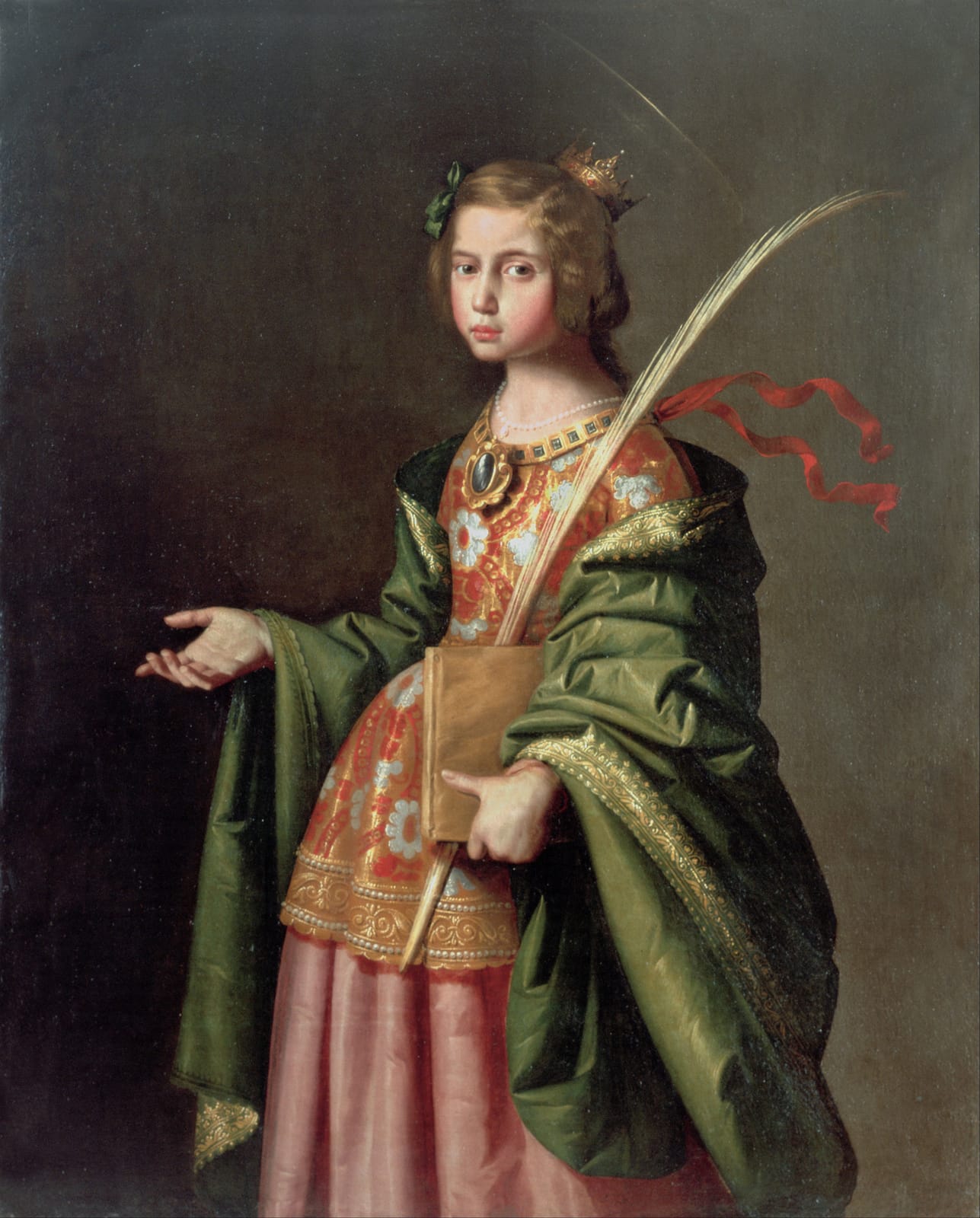
Saint Elizabeth of Thuringia
Saint Elizabeth of Thuringia, Francisco de Zurbarán (1598–1664), c. 1640. Credits

After Pentecost

November 19, 2019

A Double leads; St. Pontian is commemorated.Rubric

November 19: St. Elizabeth of Hungary, Duchess of Thuringia

From Dom Guéranger’s The Liturgical Year.

ALTHOUGH the blessed in heaven shine each with his own peculiar glory, God is pleased to group them in families, as he groups the stars in the material firmament. It is grace that presides over the arrangement of these constellations in the heaven of the Saints; but sometimes it seems as if God wished to remind us that he is the sole Author of both grace and nature; and inviting them, in spite of the fall, to honour him unitedly in his elect, he causes sanctity to become a glorious heirloom, handed down from generation to generation in the same family on earth. Among these races, none can compare with that royal line which, beginning in ancient Pannonia, spread its branches over the world in the most flourishing days of Christendom: Rich in virtue and studying beautifulness, as Scripture says, it brought peace into all the royal houses of Europe, with which it was allied; and the many names it has inscribed in the golden book of the blessed, perpetuate its glory.

Among these illustrious names, and surrounded by them as a diamond set in a circle of pearls, the greatest, in the esteem of the Church and of the people, is that of the amiable Saint, who was ripe for heaven at the age of twenty-four years, and who ascended on this day into the company of Stephen, Emeric, and Ladislas.
Chapter 2: The Mystery of the Time after Pentecost

From Dom Guéranger’s The Liturgical Year.

That we may thoroughly understand the meaning and influence of the season of the liturgical year upon which we have now entered, it is requisite for us to grasp the entire sequel of mysteries, which holy Church has celebrated in our presence and company; we have witnessed her services, and we have shared in them. The celebration of those mysteries was not an empty pageant, acted for the sake of being looked at. Each one of them brought with it a special grace, which produced in our souls the reality signified by the rites of the liturgy. At Christmas Christ was born within us; at Passiontide He passed on and into us His sufferings and atonements; at Easter He communicated to us His glorious, His untrammelled life; in His Ascension He drew us after Him, and this even to heaven’s summit; in a word, as the apostle expresses all this working, ‘Christ was formed in us.’

But, in order to give solidity and permanence to the image of Christ formed within us, it was necessary that the Holy Ghost should come, that so He might increase our light, and enkindle a fire within us that should never be quenched.

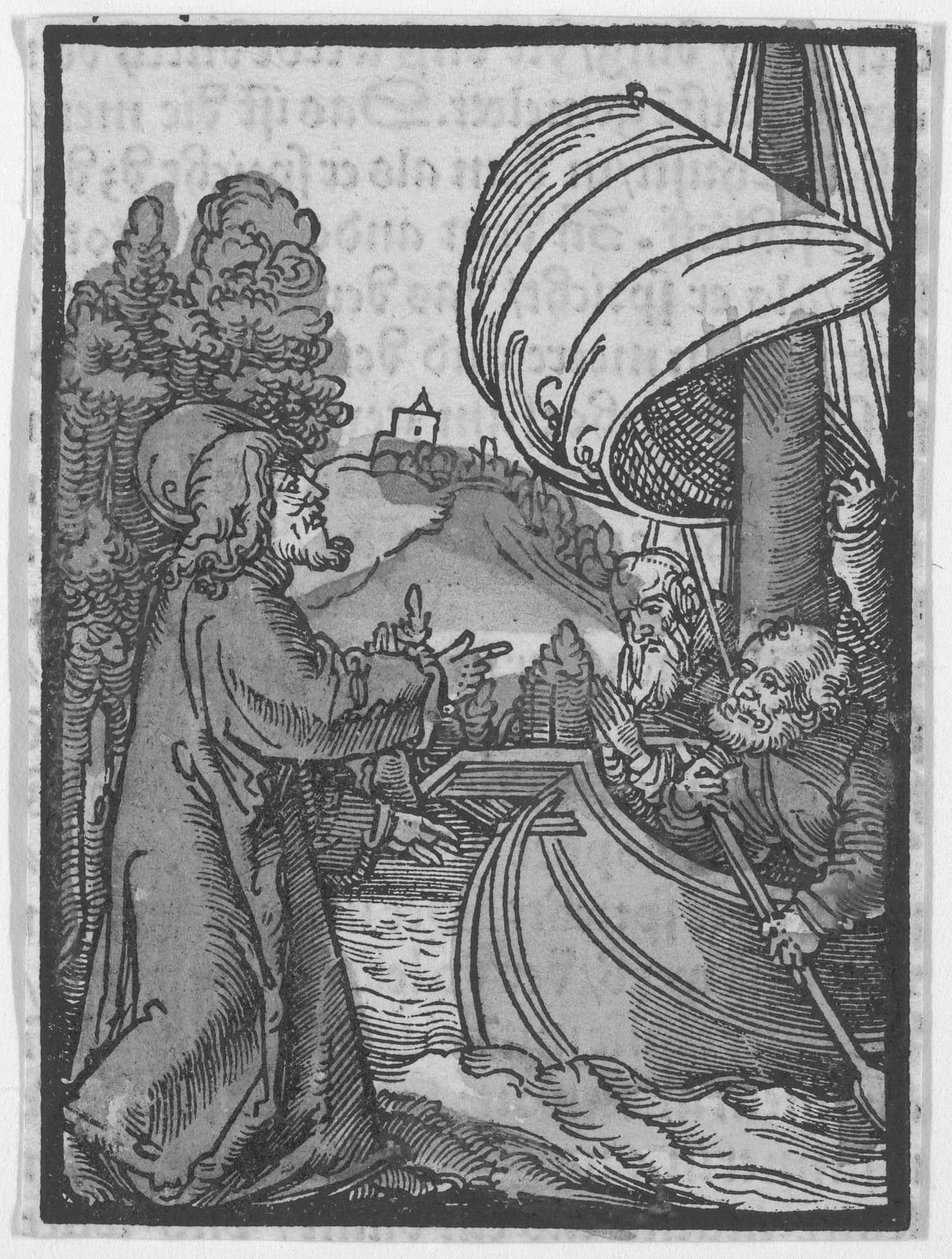
Christ calming the storm on the lake
Hans Schäufelein (1480–1540), Christ Calming the Storm on Lake Tiberias, from Das Plenarium, 1517. Credits

Email view of this day