This day

November 22, 2019

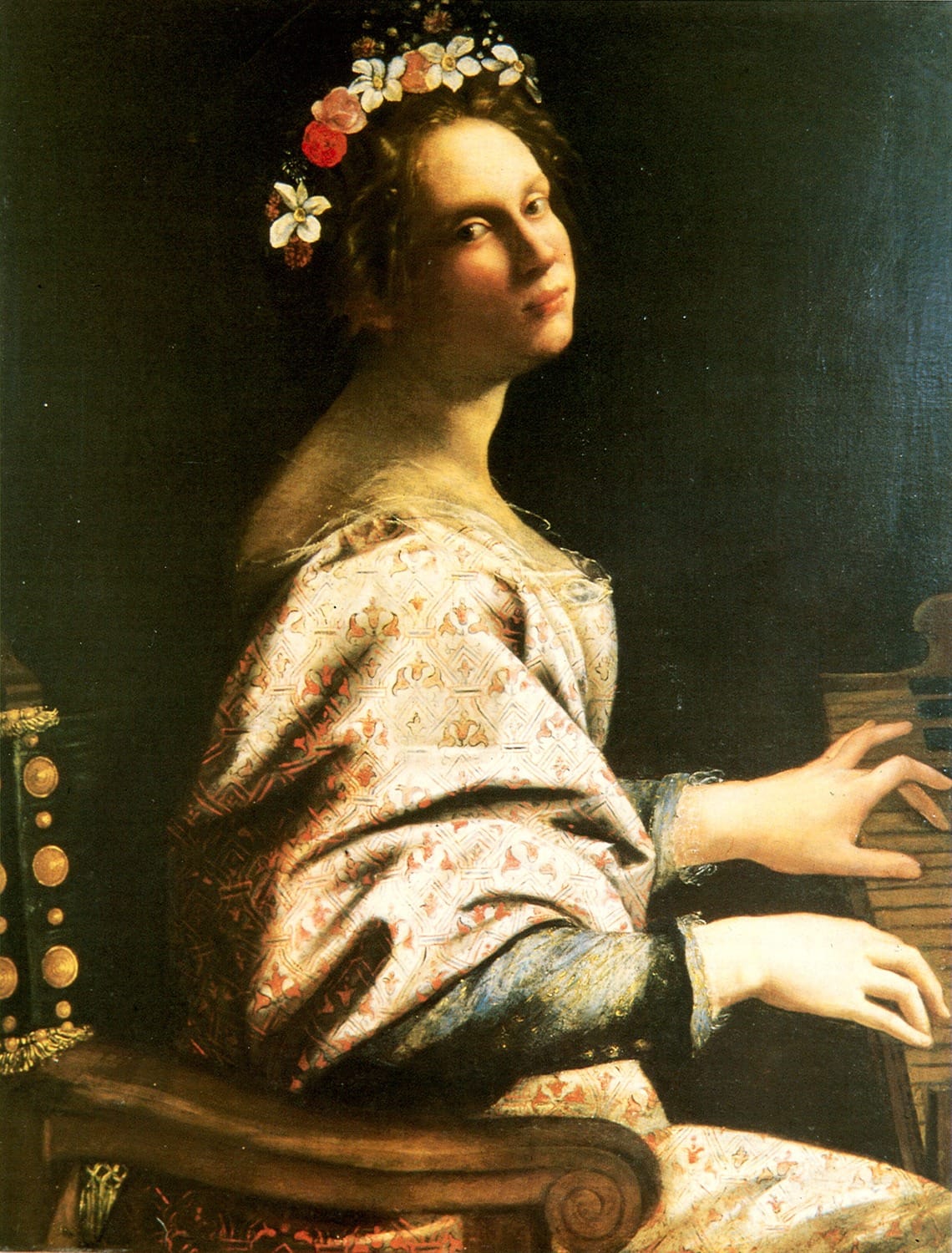
St Cecilia in a patterned gown looking over her shoulder while playing a keyboard instrument
Saint Cecilia, Artemisia Gentileschi (1593–1653), c. 1620. Credits

After Pentecost

November 22, 2019

November 22: St. Cecilia, Virgin and Martyr

From Dom Guéranger’s The Liturgical Year.

Cecilia united in her veins the blood of kings with that of Rome's greatest heroes. At the time of the first preaching of the Gospel, more than one ancient patrician family had seen its direct line become extinct. But the adoptions and alliances, which under the Republic had knit more closely the great families by linking them all to the most illustrious among them, formed as it were a common fund of glory, which, even in the days of decline, was passed on intact to the survivors of the aristocracy.

It has now been demonstrated by the undeniable witness of monuments, that Christianity from the very beginning took possession of that glory, by adopting its heirs; and that by a wonderful disposition of divine Providence, the founders of the Rome of the Pontiffs were these last representatives of the Republic, thus preserved in order to give to the two phases of Roman history that powerful unity which is the distinguishing note of divine works. Heretofore bound together by the same patriotism, the Cornelii and the Aemilii, alike heirs of the Fabii, the Caecilii, Valerii, Sergii, Furii, Claudii, Pomponii, Plautii, and Acilii, eldest sons of the Gentile Church, strengthened the connections formed during the Republic, and firmly established, even in the first and second centuries of Christianity, the new Roman society.

This week's Sunday: The Twenty-Third Sunday after Pentecost

From Dom Guéranger’s The Liturgical Year.

When the number of the Sundays after Pentecost is only twenty-three, the Mass for to-day is taken from the twenty-fourth and last Sunday; and the Mass appointed for the twenty-third is said on the previous Saturday, or on the nearest day of the preceding week which is not impeded by a double or semi-double feast.

But, under all circumstances, the antiphonary ends to-day. The Introits, Graduals, Communions, and Postcommunions, which are given below, are to be repeated on each of the Sundays till Advent, which vary in number each year. Our readers will remember that, in the time of St. Gregory, Advent was longer than we now have it; and that, in those days, its weeks commenced in that part of the cycle which is now occupied by the last Sundays after Pentecost. This is one of the reasons for the lack of liturgical riches in the composition of the dominical Masses which follow the twenty-third.

Even on this one, the Church, without losing sight of the last day, used to lend a thought to the new season which was fast approaching, the season, that is, of preparation for the great feast of Christmas.

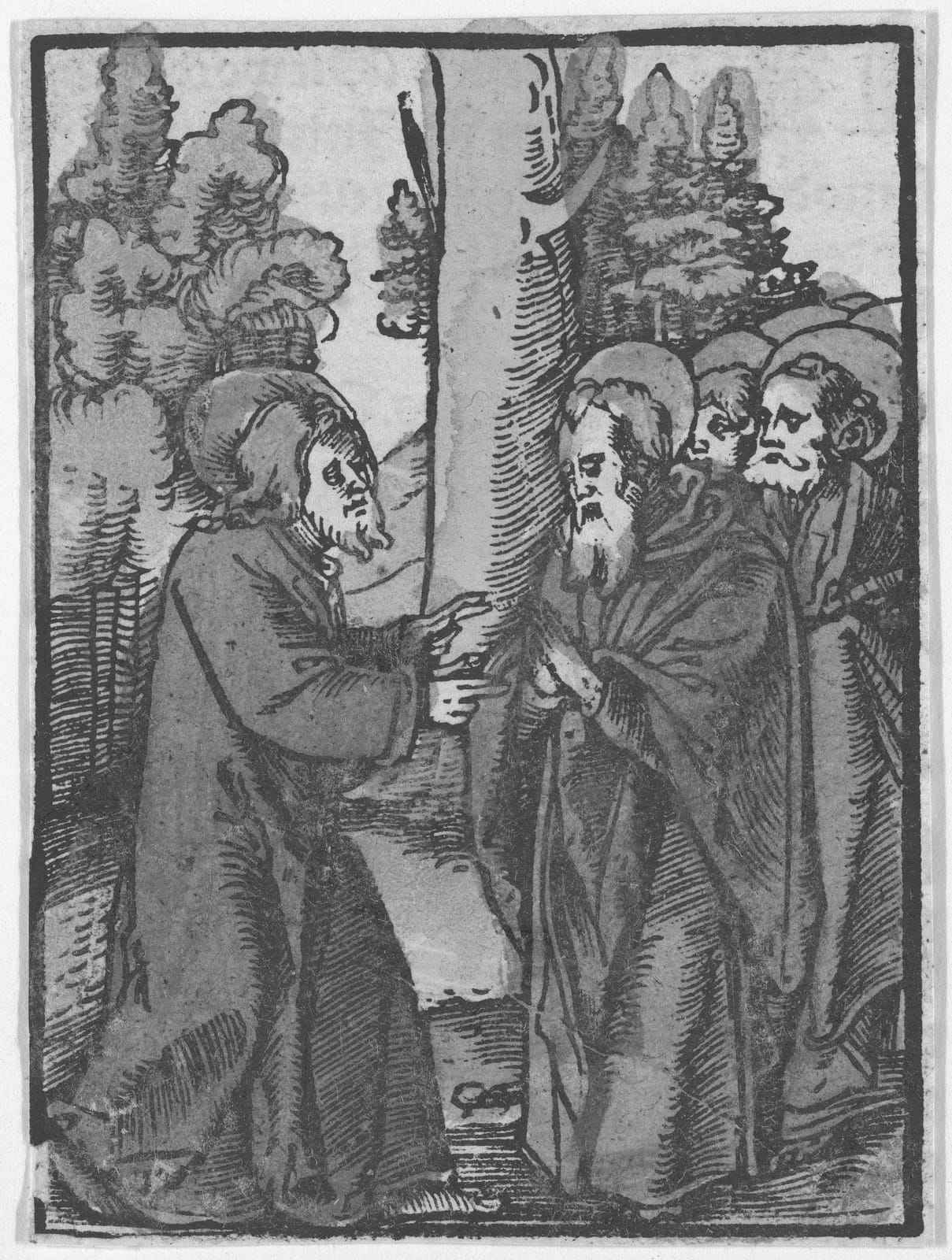
Christ teaching the disciples
Hans Schäufelein (1480–1540), Christ Teaching the Disciples, from Das Plenarium, 1517. Credits

Email view of this day