This day

November 30, 2019

Saint Andrew
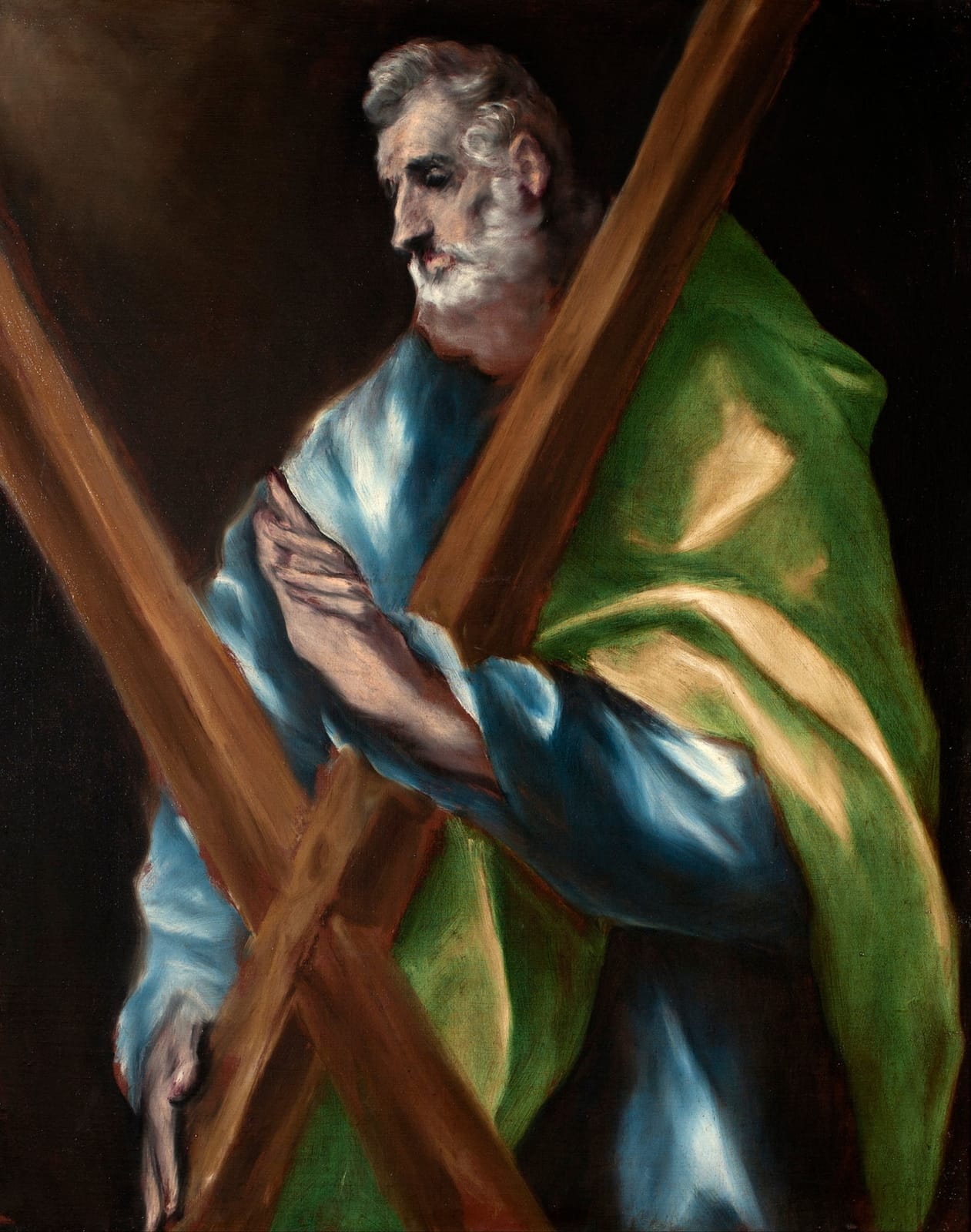
Saint Andrew, El Greco (1541–1614), c. 1610. Credits

After Pentecost

November 30, 2019

November 30: Saint Andrew, Apostle (at the beginning of the year)

From Dom Guéranger’s The Liturgical Year.

We open our Proper of Saints for Advent with St. Andrew, because, although his feast frequently occurs before this holy season has begun, it sometimes happens that we have entered Advent when the memory of this great apostle has to be celebrated by the Church. This feast is therefore destined to terminate with solemnity the cycle which is at its close, or to add lustre to the new one which has just begun. It seems, indeed, fitting that the Christian year should begin and end with the cross, which has merited for us each of the years that it has pleased the divine goodness to grant us, and which is to appear, on the last day, in the clouds of heaven, as the seal put on time.

We should remember that Saint Andrew is the apostle of the cross. To Peter, Jesus has given firmness of faith; to John, warmth of love; the mission of Andrew is to represent the cross of his divine Master. Now it is by these three, faith, love, and the cross, that the Church renders herself worthy of her Spouse.
Chapter 5: On Hearing Mass during the Time after Pentecost

From Dom Guéranger’s The Liturgical Year.

Of all the good acts wherewith a Christian can sanctify his day, there is not one which bears comparison with that of assisting at the holy sacrifice of the Mass. It is in that sacrifice, the supreme act of religion, that is centred all the homage due from man to his Creator; and it is also from the same sacrifice that God pours out profusely upon his creature man every sort of blessing. The very Son of God is really present there; there He is offered up to His Father, and the offering is always well-pleasing; and they who assist at this divine immolation with faith and love receive into their souls graces of a far richer kind than are given by ordinary means.

The assistance at Mass, if completed by the real participation of the divine victim, unites man to God in an ineffable way by the renovation of his whole being, for it produces an intimate communion between him and the Word Incarnate.

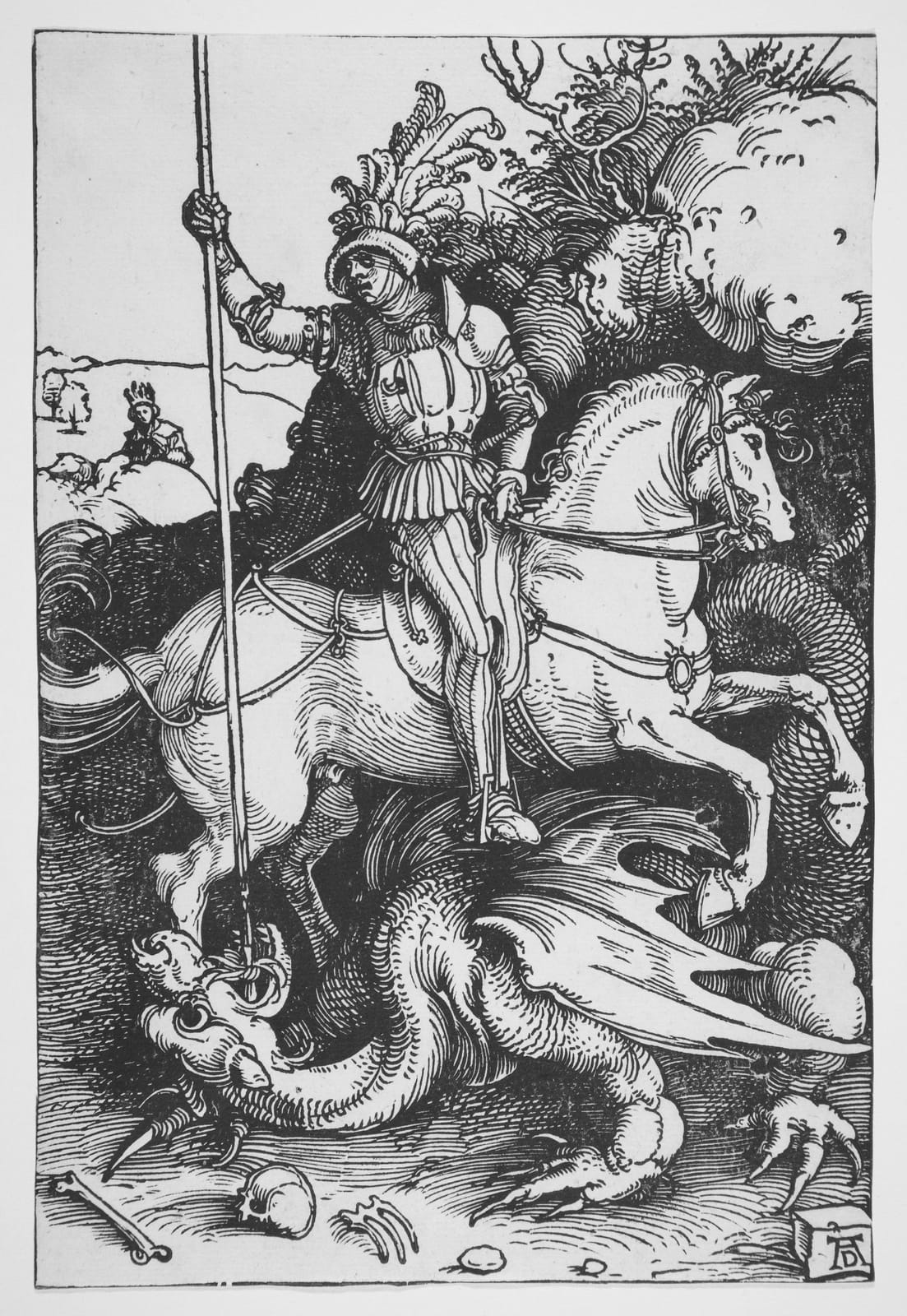
Saint George slaying the dragon
Albrecht Dürer (1471–1528), Saint George Slaying the Dragon, ca. 1504. Credits

Email view of this day