Advent
December 21, 2019
A Double of the II Class leads the weekday.Rubric
December 21: Saint Thomas, Apostle
From Dom Guéranger’s The Liturgical Year.
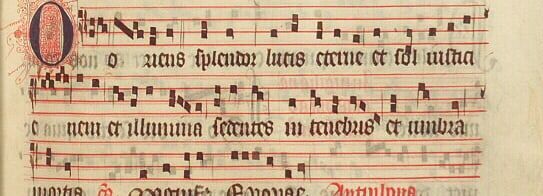
The Church announces to us, to-day, in her Office of Lauds, these solemn words: Nolite timere: quinta enim die veniet ad vos Dominus noster.
Fear not: for on the fifth day, our Lord will come unto you.
This is the last feast the Church keeps before the great one of the Nativity of her Lord and Spouse. She interrupts the greater ferias in order to pay her tribute of honour to Thomas, the apostle of Christ, whose glorious martyrdom has consecrated this twenty-first day of December, and has procured for the Christian people a powerful patron, who will introduce them to the divine Babe of Bethlehem. To none of the apostles could this day have been so fittingly assigned as to St. Thomas. It was St. Thomas whom we needed; St. Thomas, whose festal patronage would aid us to believe and hope in that God whom we see not, and who comes to us in silence and humility in order to try our faith. St. Thomas was once guilty of doubting, when he ought to have believed, and learnt the necessity of faith only by the sad experience of incredulity: he comes then most appropriately to defend us, by the power of his example and prayers, against the temptations which proud human reason might excite within us.