This day

February 10, 2020

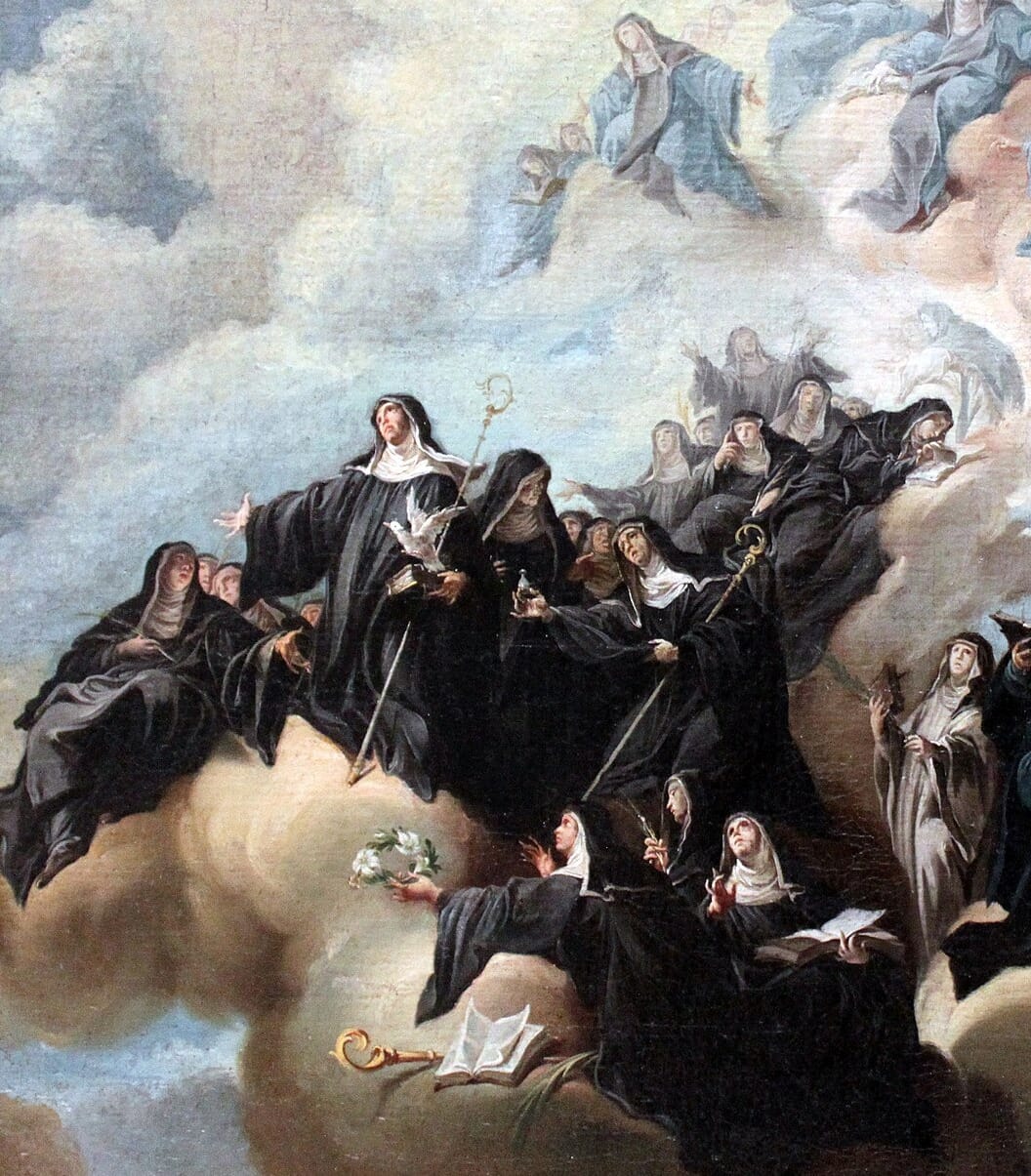
Benedictine nuns on clouds; one holds a dove (attribute of St Scholastica)
Die hl. Scholastika, Johann Jacob Zeiller, 1748. Credits

Septuagesima

February 10, 2020

A Double leads the weekday.Rubric

February 10: St. Scholastica, Virgin

From Dom Guéranger’s The Liturgical Year.

The sister of the patriarch St. Benedict comes to us to-day, sweetly inviting us to follow her to heaven. Apollonia the martyr is succeeded by Scholastica, the fervent daughter of the cloister. Both of them are the brides of Jesus, both of them wear crowns, for both of them fought hard, and won the palm. Apollonia’s battle was with cruel persecutors, and in those hard times when one had to die to conquer; Scholastica’s combat was the lifelong struggle, whose only truce is the soldier’s dying breath. The martyr and the nun are sisters now in the Heart of Him they both so bravely loved.

God, in His infinite wisdom, gave to St. Benedict a faithful co-operatrix, a sister of such angelic gentleness of character, that she would be a sort of counterpoise to the brother, whose vocation, as the legislator of monastic life, needed a certain dignity of grave and stern resolve. We continually meet with these contrasts in the lives of the saints; and they show us that there is a link, of which flesh and blood know nothing; a link which binds two souls together, gives them power, harmonizes their differences of character, and renders each complete.

Monday of Septuagesima Week

From Dom Guéranger’s The Liturgical Year.

The serpent said to the woman: 'Why hath God commanded you, that you should not eat of every tree of paradise?' Thus opened the conversation, which our mother Eve so rashly consents to hold with God’s enemy. She ought to refuse all intercourse with Satan; she does not; and thereby she imperils the salvation of the whole human race.

Let us recall to mind the events that have happened up to this fatal hour. God, in His omnipotence and love, has created two beings, upon whom He has lavished all the riches of His goodness. He has destined them for immortality; and this undying life is to have everything that can make it perfectly happy. The whole of nature is made subject to them. A countless posterity is to come from them, and love them with all the tenderness of grateful children. Nay, this God of goodness who has created them, deigns to be on terms of intimacy with them; and such is their simple innocence, that this adorable condescension does not seem strange to them. But there is something far beyond all this.

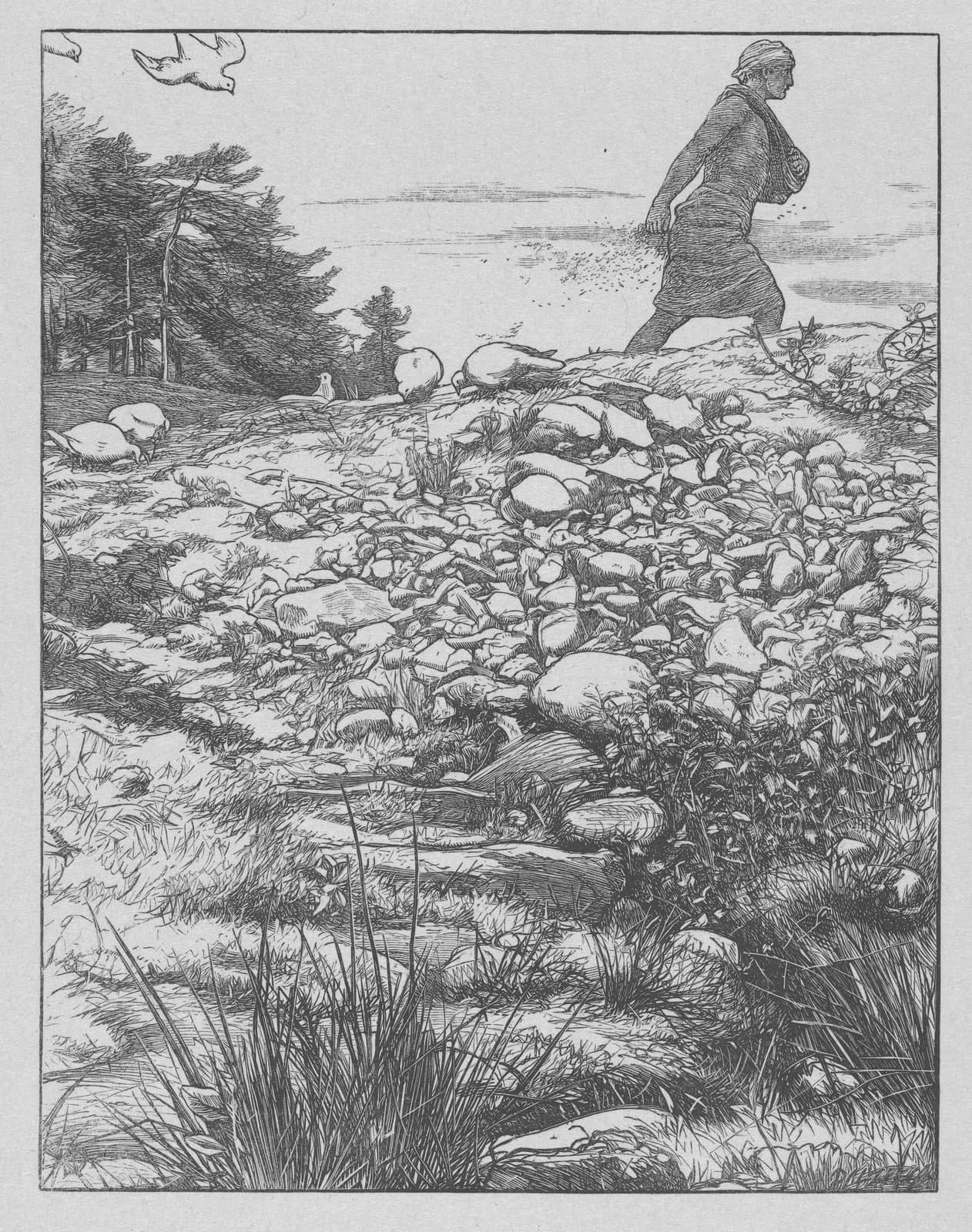
A sower scatters seed on rocky and thorny ground
Sir John Everett Millais (1829–1896), The Sower, from The Parables of Our Lord and Saviour Jesus Christ, 1864. Credits

Email view of this day