This day

March 25, 2020

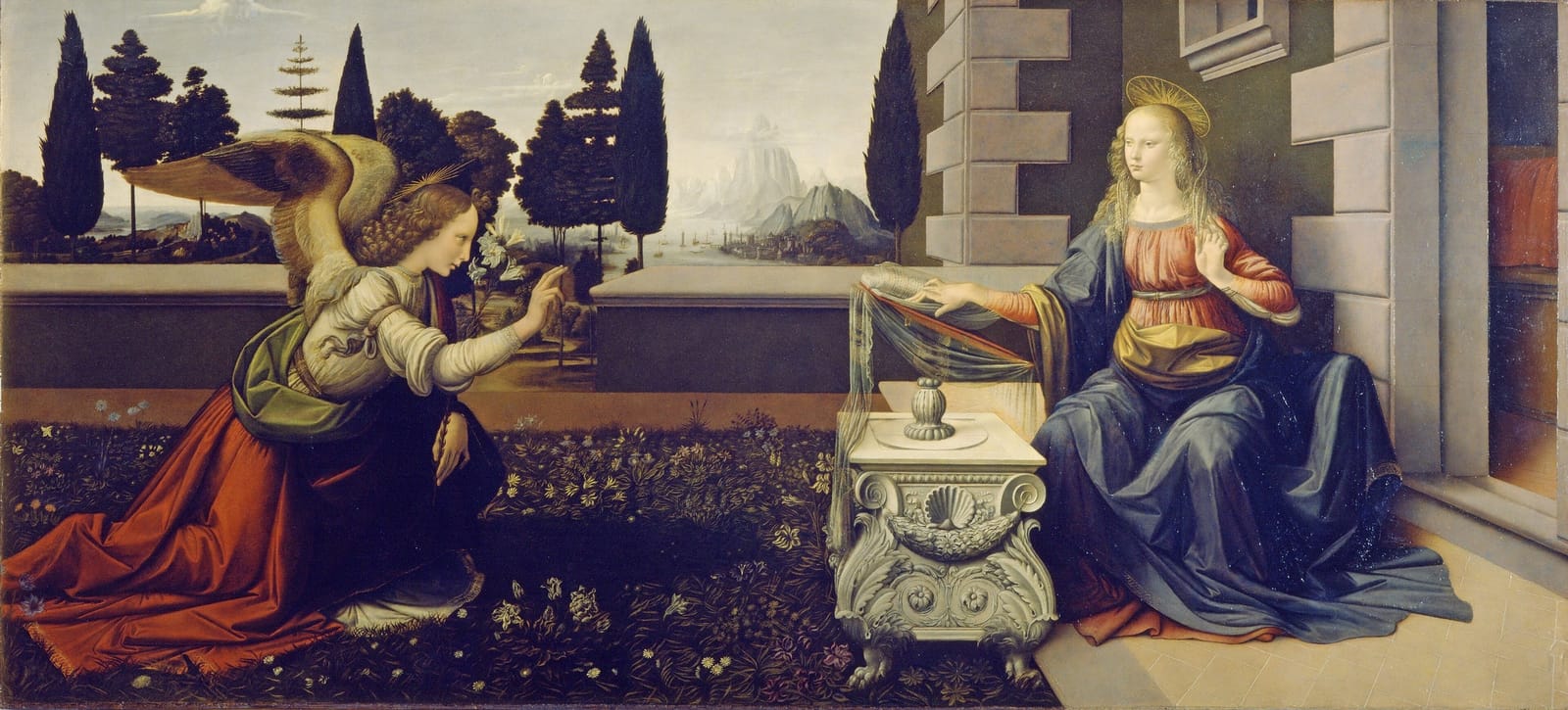
The Annunciation
The Annunciation, Leonardo da Vinci (1452–1519), c. 1472–1475. Credits

Lent

March 25, 2020

A Double of the I Class leads the weekday.Rubric

March 25: The Annunciation of the Ever Blessed Virgin

From Dom Guéranger’s The Liturgical Year.

This is a great day, not only to man, but even to God Himself; for it is the anniversary of the most solemn event that time has ever witnessed. On this day, the divine Word, by whom the Father created the world, was made flesh in the womb of a virgin, and dwelt among us. We must spend it in joy. Whilst we adore the Son of God who humbled Himself by thus becoming Man, let us give thanks to the Father, who so loved the world, as to give His only-begotten Son; let us give thanks to the Holy Ghost, whose almighty power achieves the great mystery. We are in the very midst of Lent, and yet the ineffable joys of Christmas are upon us: our Emmanuel is conceived on this day, and, nine months hence, will be born in Bethlehem, and the angels will invite us to come and honour the sweet Babe.

During Septuagesima week, we meditated upon the fall of our first parents, and the triple sentence pronounced by God against the serpent, the woman, and Adam.

Wednesday of the Fourth Week of Lent: Feria of the Great Scrutiny

From Dom Guéranger’s The Liturgical Year.

This day is called the ‘Feria of the great scrutiny,’ because in the Church of Rome, after the necessary inquiries and examinations, the list of the catechumens, who were to receive Baptism, was closed. The Station was held in the basilica of St. Paul outside the walls, both because of the size of the building, and also in order to honour the apostle of the Gentiles by offering him these new recruits, which the Church was about to make from paganism. The reader will be interested and edified by a description of this ceremony.

The faithful and the aspirants to Baptism being assembled in the basilica, about the hour of noon, the names of these latter were written down, and an acolyte arranged them in order before the people, placing the men on the right, and the women on the left. A priest then recited over each of them the prayer which made them catechumens, for it is by anticipation that we have hitherto given them this name.

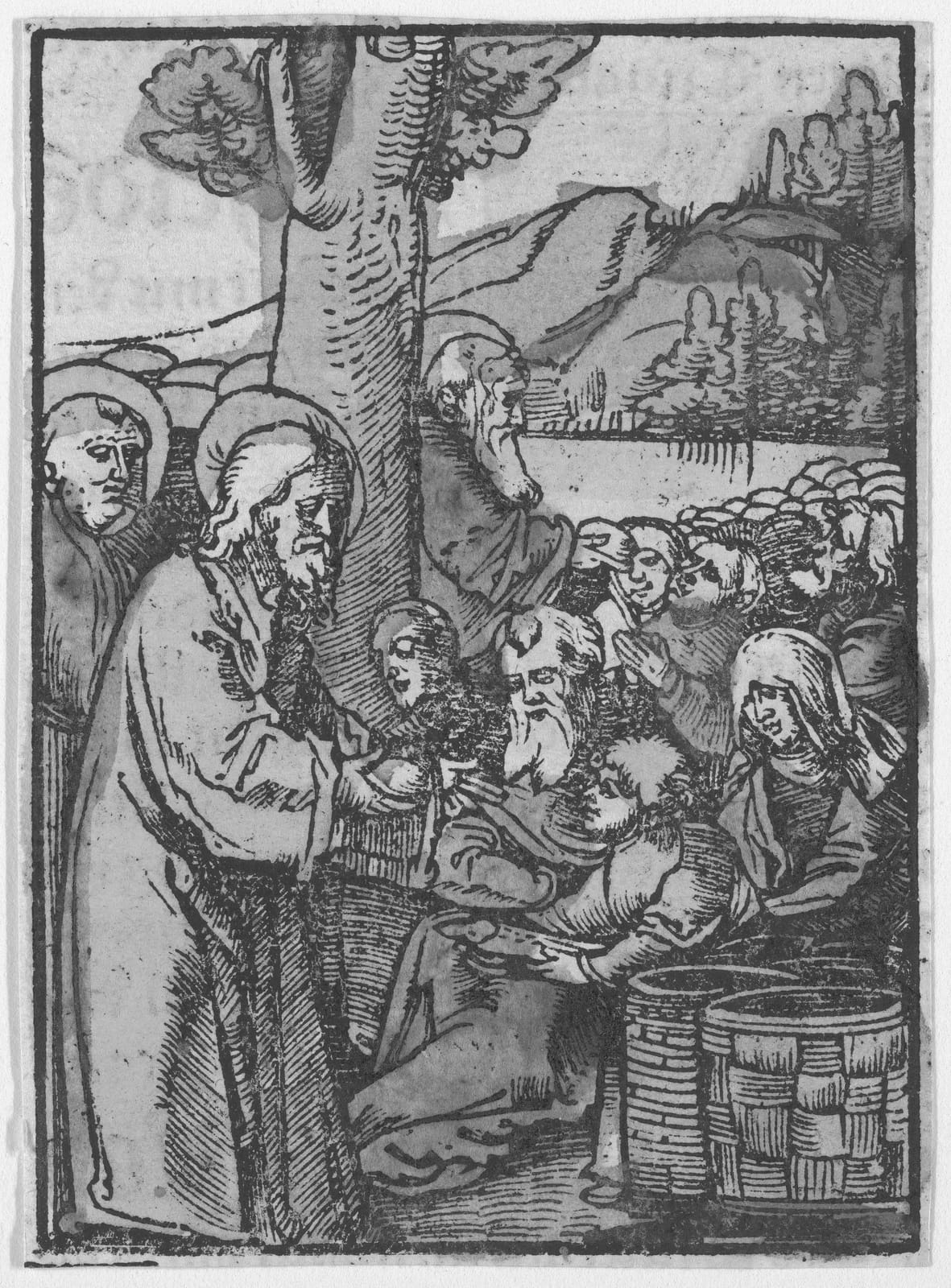
Christ feeding the five thousand
Hans Schäufelein (1480–1540), The Feeding of the 5000, from Das Plenarium, 1517. Credits

Email view of this day