This day

May 14, 2020

Paschal Time

May 14, 2020

May 14: St. Boniface, Martyr

From Dom Guéranger’s The Liturgical Year.

THE Apostle of the Gentiles, explaining the mystery of the Pasch, tells us that baptism is the sepulcher of our sins, and that we rise from it together with our Redeemer, having our souls radiant with the life of grace. Our holy faith teaches us that he who gives his life for Christ or his Church washes away in his own blood every stain from his soul, and rises to life everlasting: it is as though he received a second baptism, which reproduces all the effects belonging to the great sacrament of regeneration. We have to-day a sinner, who being purified by martyrdom and rebaptized in his own blood, is numbered among the privileged ones who share in the glory of our Risen Jesus. Boniface, by his immoralities, had scandalized the city where he lived; but his repentance was most complete. He longed to suffer the most cruel tortures for the love of the God he had offended, and thus make atonement for the sinful pleasures in which he had indulged. His wish was granted; suffering transformed him into the Saint whose feast is kept on this day, and whose virtues are a homage to the divine conqueror of sin and death.

Thursday of the Fifth Week after Easter

From Dom Guéranger’s The Liturgical Year.

℣. In thy resurrection, O Christ, alleluia.
℟. Let heaven and earth rejoice, alleluia.

BY the first four sacraments, our Saviour provided for the several spiritual necessities of man during this mortal life. Baptism gives him spiritual birth, Confirmation arms him for the battle, the Eucharist is his food, Penance is his cure. But the last moment of life—that most important and terrible of all, on which depends eternity—does it not seem to require a special sacramental aid? Could it be that our Redeemer, after so lovingly supplying us with a sacrament to meet our other wants, would leave us unprovided when we are dying, that is, when we are passing from this to another life, and are weighed down with bodily and mental sufferings? No: he has provided a sacrament for the dying; the grace of redemption puts on a new form, that it may visit and fortify us in our last struggle.

Even before his Passion, he gave us some idea of the sacrament he intended to institute for the help of the dying.

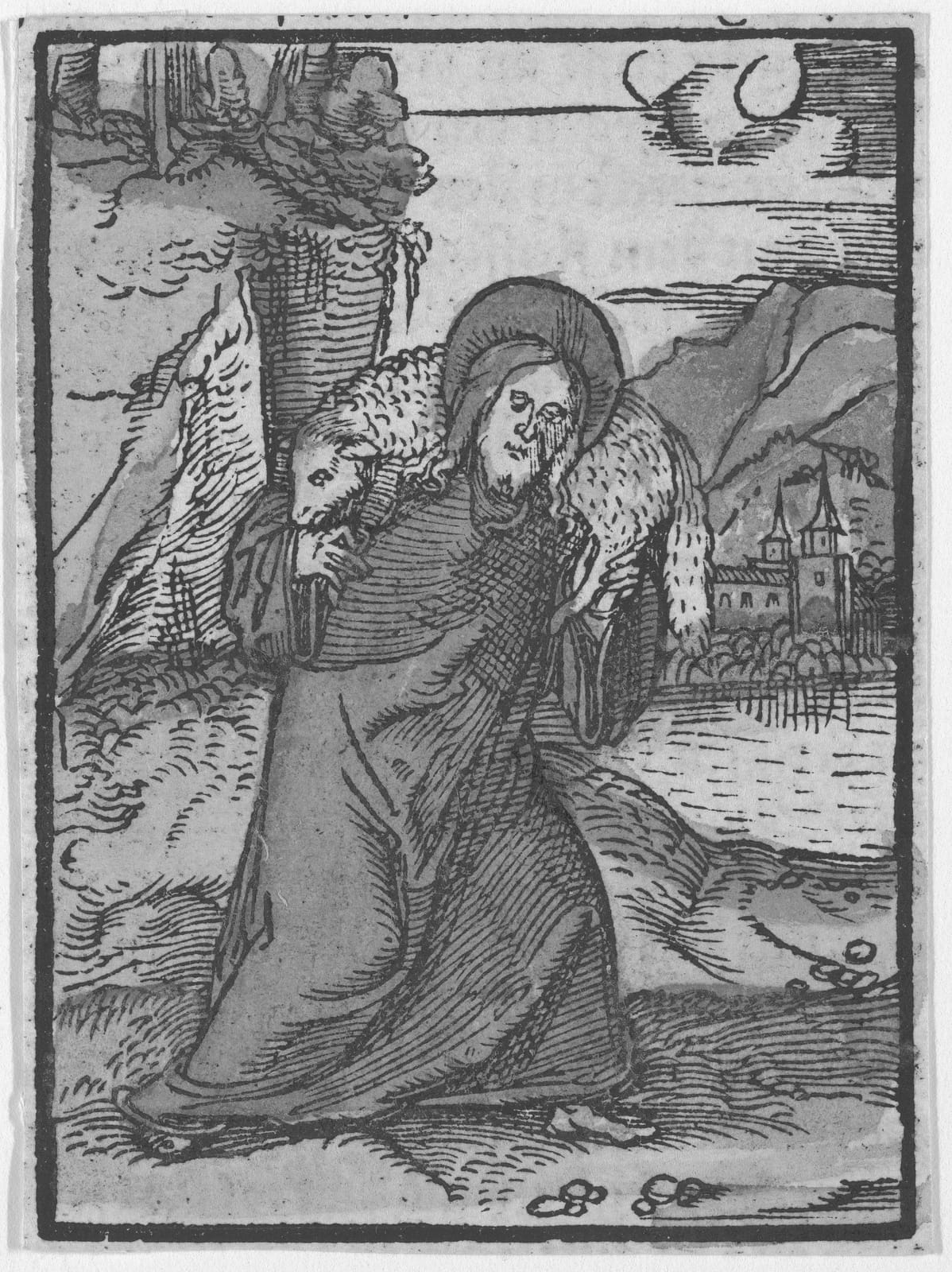
Christ as the Good Shepherd carrying a sheep on His shoulders
Hans Schäufelein (1480–1540), Christ as Good Shepherd, from Das Plenarium, 1517. Credits

Email view of this day