This day

May 18, 2020

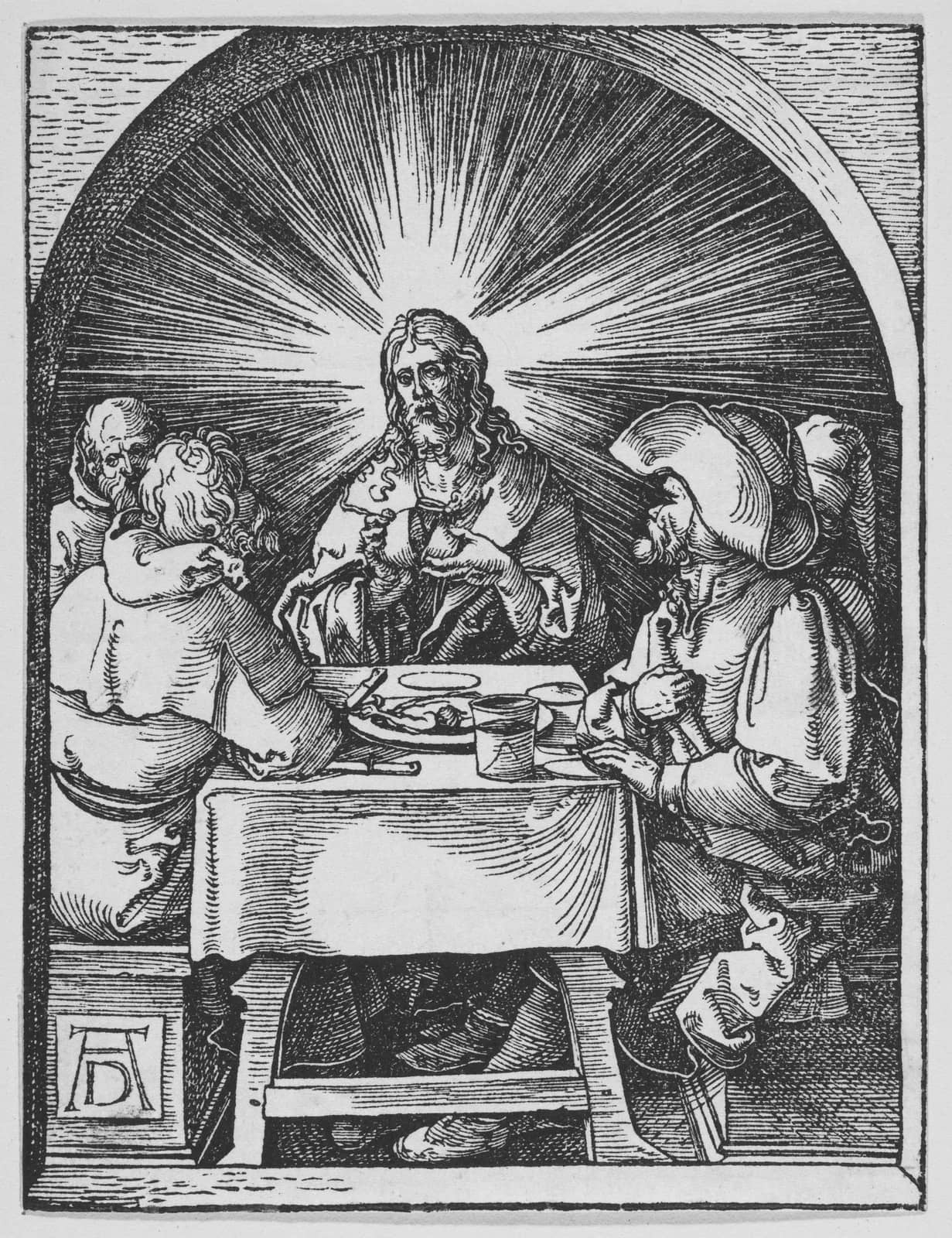
The risen Christ breaking bread with two disciples at Emmaus
Christ in Emmaus, Albrecht Dürer (1471–1528), ca. 1510. Credits

Paschal Time

May 18, 2020

Rogation Days: Monday

From Dom Guéranger’s The Liturgical Year.

It seems strange that there should be anything like mourning during Paschal Time: and yet these three days are days of penance. A moment’s reflection, however, will show us that the institution of the Rogation days is a most appropriate one. True, our Saviour told us, before His Passion, that ‘the children of the Bridegroom should not fast whilst the Bridegroom is with them’: but is not sadness in keeping with these the last hours of Jesus’ presence on earth? Were not His Mother and disciples oppressed with grief at the thought of their having so soon to lose Him, whose company had been to them a foretaste of heaven?

Let us see how the liturgical year came to have inserted in its calendar these three days, during which holy Church, though radiant with the joy of Easter, seems to go back to her lenten observances. The Holy Ghost, who guides hex in all things, willed that this completion of her paschal liturgy should owe its origin to a devotion peculiar to one of the most illustrious and venerable Churches of southern Gaul, the Church of Vienne.

Chapter 1: The History of Paschal Time

From Dom Guéranger’s The Liturgical Year.

WE give the name of Paschal Time to the period between Easter Sunday and the Saturday following Whit Sunday. It is the most sacred portion of the liturgical year, and the one towards which the whole cycle converges. We shall easily understand how this is, if we reflect upon the greatness of Easter, which is called the feast of feasts, and the solemnity of solemnities, in the same manner, says St. Gregory, as the most sacred part of the Temple was called the Holy of holies; and the book of sacred scripture, wherein are described the espousals between Christ and the Church, is called the Canticle of Canticles. It is on this day that the mission of the Word Incarnate attains the object towards which it has hitherto been tending: man is raised up from his fall and regains what he had lost by Adam’s sin.

The risen Christ breaking bread with two disciples at Emmaus
Albrecht Dürer (1471–1528), Christ in Emmaus, from The Small Passion, ca. 1510. Credits

Email view of this day