This day

July 10, 2020

After Pentecost

July 10, 2020

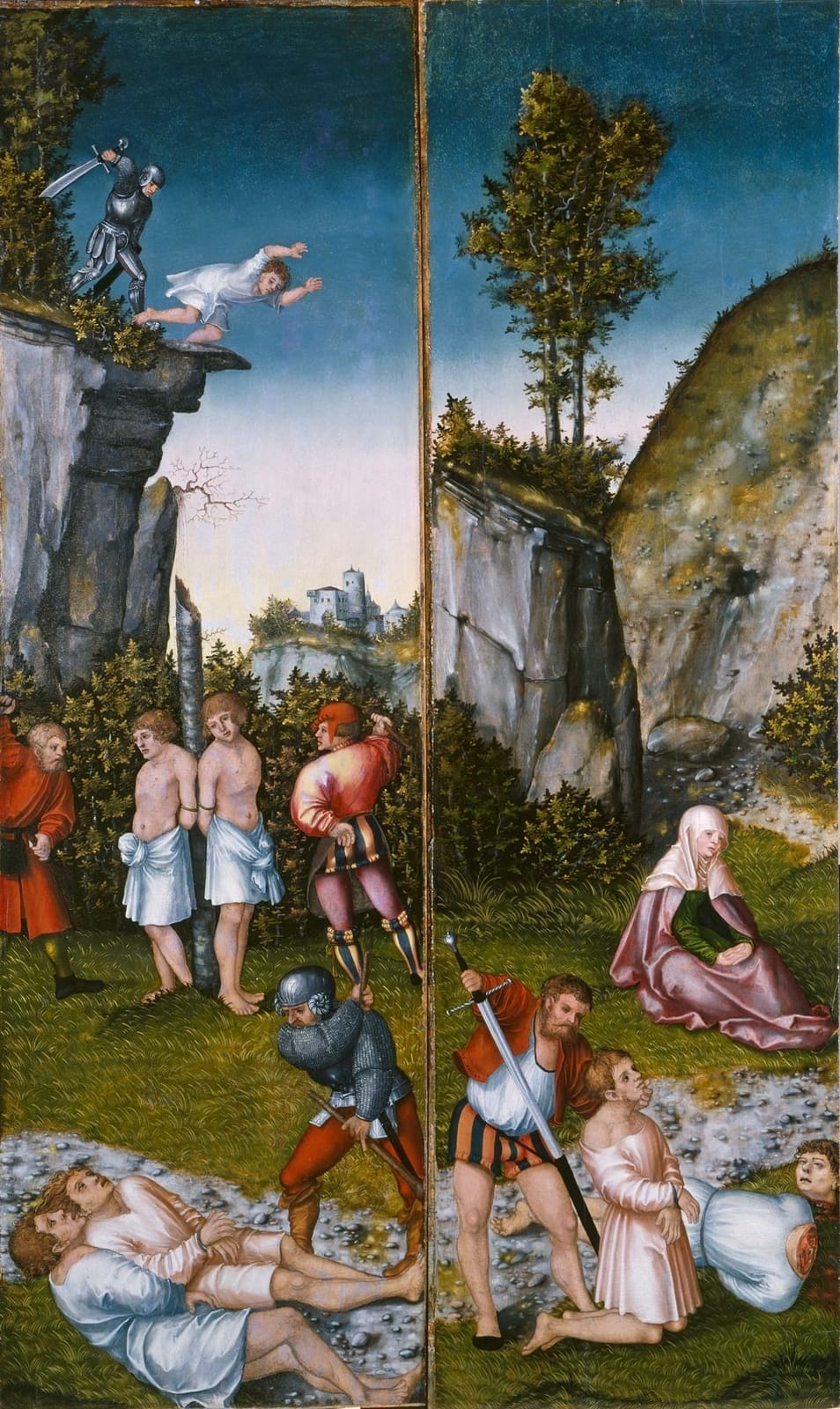
July 10: The Seven Brothers, Martyrs, and Sts. Rufina and Secunda, Virgins and Martyrs

From Dom Guéranger’s The Liturgical Year.

THREE times within the next few days will the number seven appear in the holy liturgy, honouring the Blessed Trinity, and proclaiming the reign of the Holy Spirit with His sevenfold grace. Felicitas, Symphorosa, and the mother of the Machabees, each in turn will lead her seven sons to the feet of Eternal Wisdom. The Church, bereaved of her apostolic founders, pursues her course undaunted, for the teaching of Peter and Paul is defended by the testimony of martyrdom, and, when persecutions have ceased, by that of holy virginity. Moreover, 'the blood of martyrs is the seed of Christians': the heroes who in life were the strength of the Bride give her fecundity by their death; and the family of God’s children continues to increase.

Great indeed was the faith of Abraham, when he hoped against all hope that he would become the father of nations through that same Isaac whom he was commanded to slay: but did Felicitas show less faith, when she recognized in the immolation of her seven children the triumph of life and the highest blessing that could be bestowed on her motherhood?

This week's Sunday: The Fifth Sunday after Pentecost

From Dom Guéranger’s The Liturgical Year.

This Sunday, which, with the Greeks, is called the fifth of St. Matthew, was known by the Latins as the Sunday of the fishing; such was its name up to the time when the Church transferred to the previous Sunday the Gospel which suggested that title. The week which it commences is, in some ancient lectionaries, called the 'first after the feast of the apostles' or of St. Peter; in others it is the second or third after the same feast; these, and similar varieties of names, which it is no rare thing to find in the liturgical books of the Middle Ages, are due to the fact that Easter was kept earlier or later in the years when those books were written.

The Church began last night the reading of the second Book of Kings, which opens with the description of Saul's sad end and David's accession to the throne of Israel. The exaltation of Jesse’s son is the climax to the prophetic life of the ancient people.

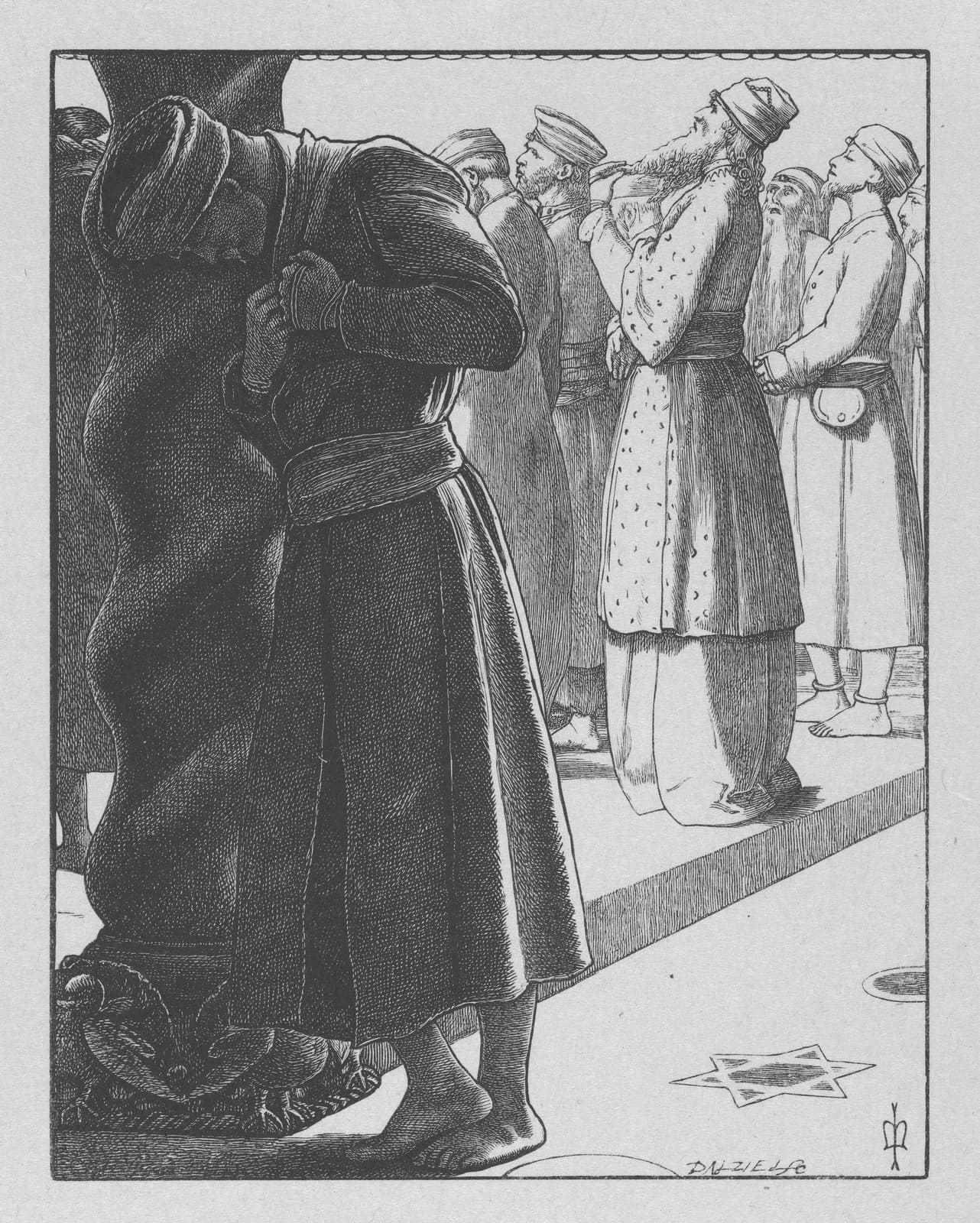
The Pharisee and the publican in the Temple
Sir John Everett Millais (1829–1896), The Pharisee and the Publican, from The Parables of Our Lord and Saviour Jesus Christ, 1864. Credits

Email view of this day