This day

July 16, 2020

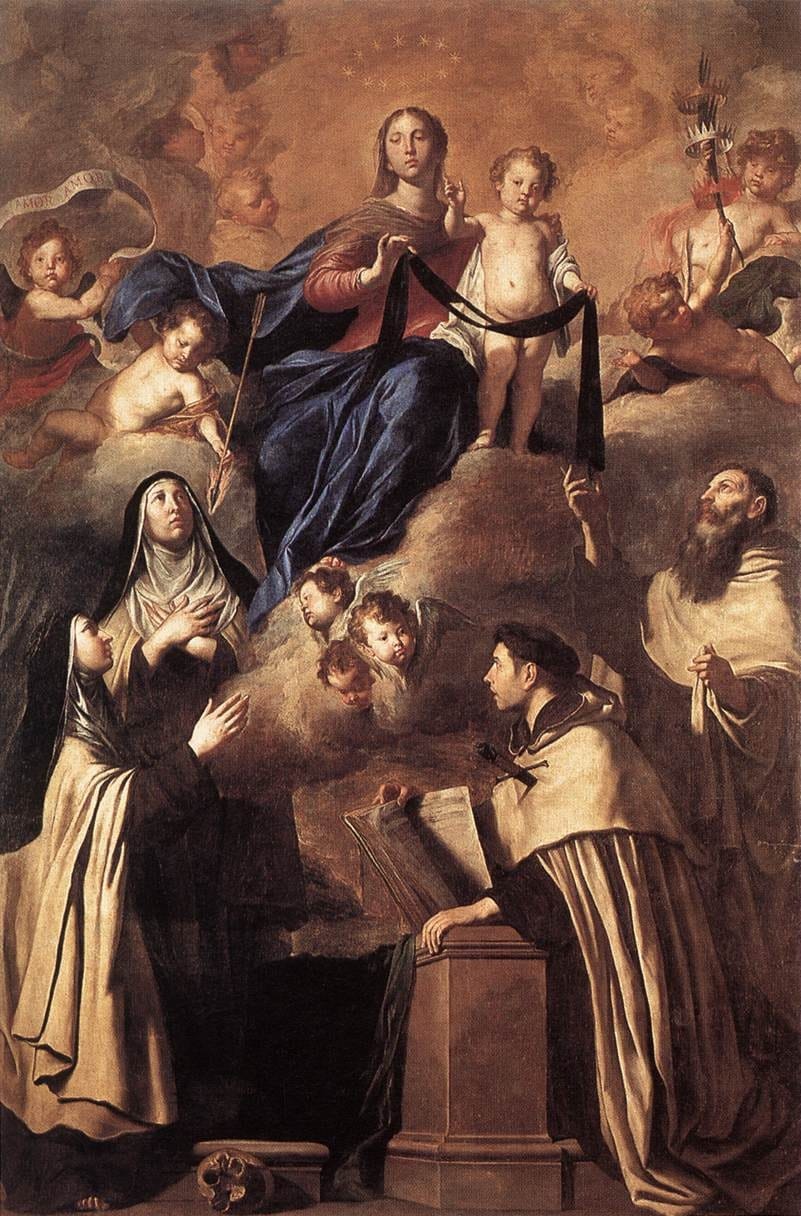
Our Lady of Mount Carmel with Child and scapular; Carmelite saints below
Our Lady of Mount Carmel, Pietro Novelli (1603–1647). Credits

After Pentecost

July 16, 2020

July 16: Our Lady of Mount Carmel

From Dom Guéranger’s The Liturgical Year.

TOWERING over the waves on the shore of the Holy Land, Mount Carmel, together with the short range of the same name, forms a connecting link to two other chains, abounding with glorious memories, namely: the mountains of Galilee on the north, and those of Judea on the south.

‘In the day of My love, I brought thee out of Egypt into the land of Carmel,’ said the Lord to the daughter of Sion, taking the name of Carmel to represent all the blessings of the Promised Land; and when the crimes of the chosen people were about to bring Judea to ruin, the prophet cried out: ‘I looked, and behold Carmel was a wilderness: and all its cities were destroyed at the presence of the Lord, and at the presence of the wrath of His indignation.’ But from the midst of the Gentile world a new Sion arose, more loved than the first; eight centuries beforehand Isaias recognized her by the glory of Libanus, and the beauty of Carmel and Saron which were given her. In the sacred Canticle, also, the attendants of the Bride sing to the Spouse concerning His well-beloved, that her head is like Carmel, and her hair like the precious threads of royal purple carefully woven and dyed.

This week's Sunday: The Sixth Sunday after Pentecost

From Dom Guéranger’s The Liturgical Year.

The Office for the sixth Sunday after Pentecost, which began yesterday evening, reminded us, in its Magnificat antiphon, of a repentance which has never had an equal. David, the royal prophet, the conqueror of Goliath, himself conquered by sensuality, and from adulterer become a murderer, at last felt the crushing weight of his double crime, and exclaimed: 'I do beseech thee, O Lord, take away the iniquity of thy servant, for I have done foolishly!'

Sin is always a folly and a weakness, no matter of what kind it may be, or who he be that commits it. The rebel angel, and fallen man, may, in their pride, make efforts to persuade themselves that, when they sinned, they did not act as fools, and were not weak; but all their efforts are vain; sin must ever have this disgrace upon it, that it is folly and weakness, for it is a revolt against God, a contempt for His law, a mad act or the creature, who, being made by his. Creator to attain infinite happiness and glory, prefers to debase himself by turning towards nothingness, and then falls even lower than the nothingness from which he was taken.

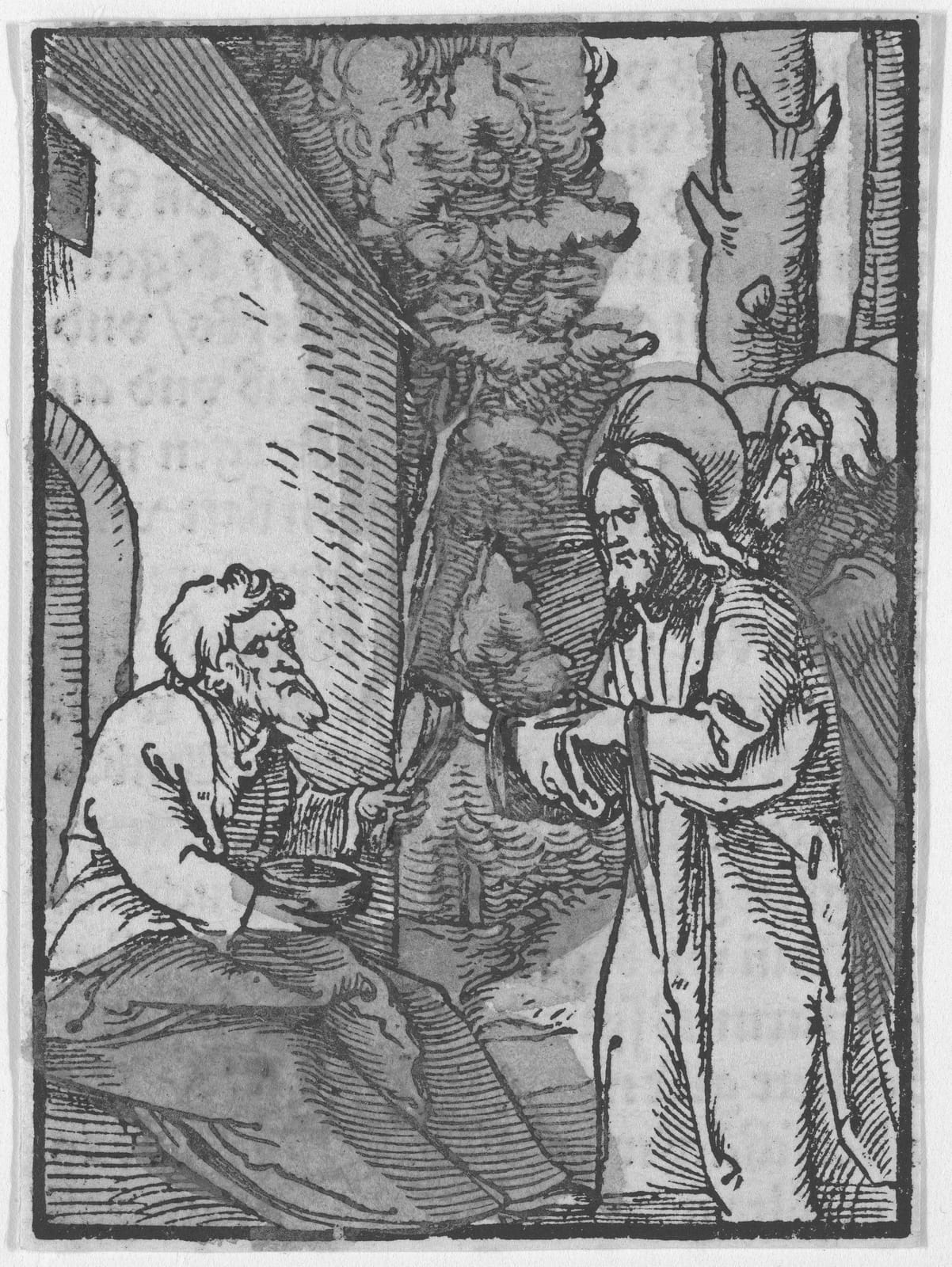
Christ healing a leper
Hans Schäufelein (1480–1540), Christ Healing the Leper, from Das Plenarium, 1517. Credits

Email view of this day