After Pentecost
August 8, 2020
August 8: Sts. Cyriacus, Largus, and Smaragdus, Martyrs
From Dom Guéranger’s The Liturgical Year.
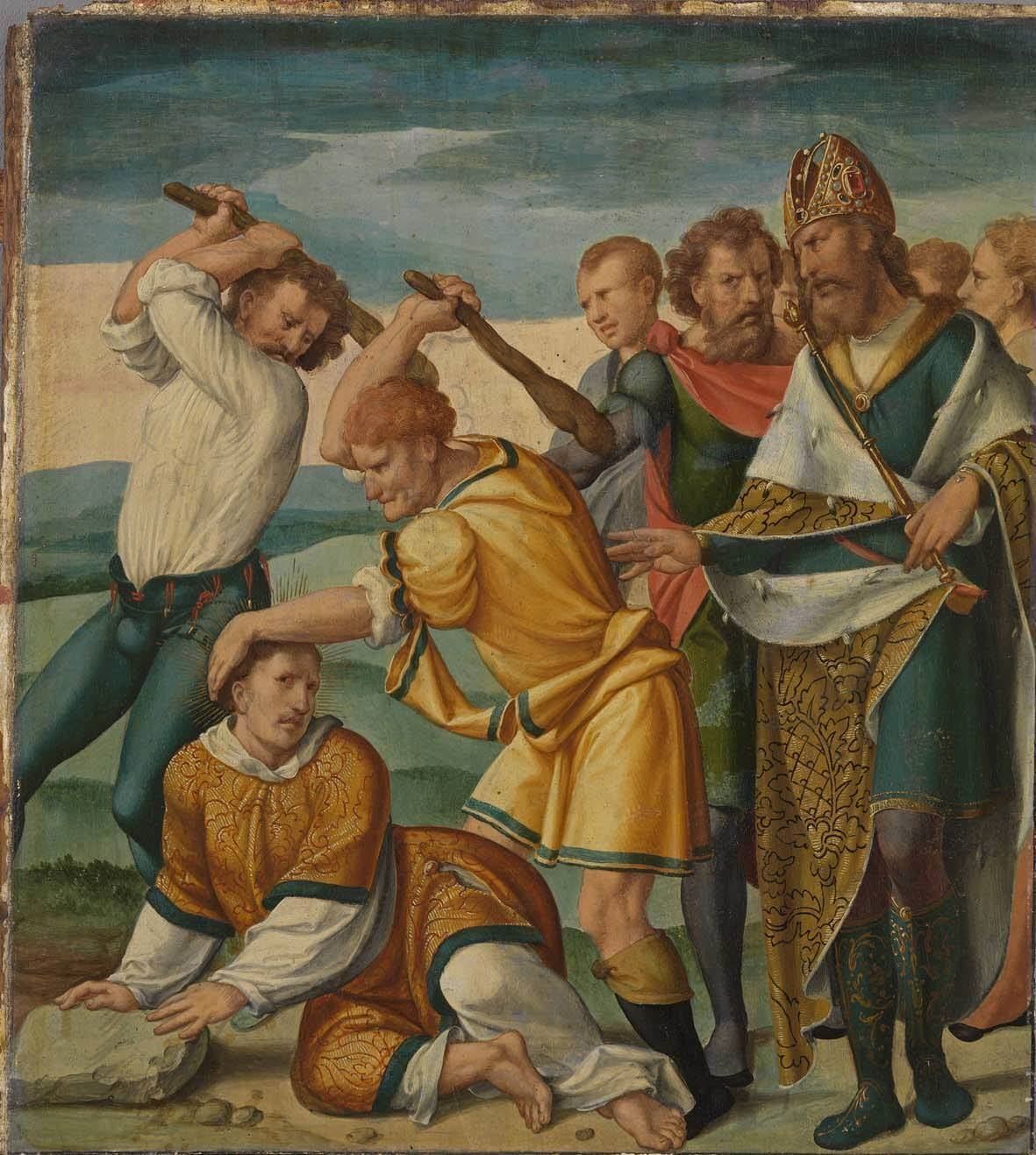
TO-DAY a precursor of Laurence appears on the cycle, the deacon Cyriacus, whose power over the demon made hell tremble, and entitles him to a place among the saints called helpers. He and his companions in martyrdom form one of the noblest groups of Christ's army in that last and decisive battle, wherein the eagerness of the faithful to show that they knew how to die won victory for the Cross. Rome, baptized in the blood she had shed, found herself Christian in spite of herself; all her honours were now to be lavished upon the very men whom in the time of her folly she had put to the sword. Such are Thy triumphs, O Wisdom of God!
Mention of the three martyrs celebrated to-day is to be found in the most authentic calendars of the Church that have come down to us from the fourth century. If then, as Baronius acknowledges, there is some reason for calling in question certain details of the legend, their cultus is none the less immemorial upon earth; and the unwavering devotion of which they are the objects, especially in the sanctuaries enriched with their holy relics, proves that they have great power before the throne of the Lamb.