This day

August 24, 2020

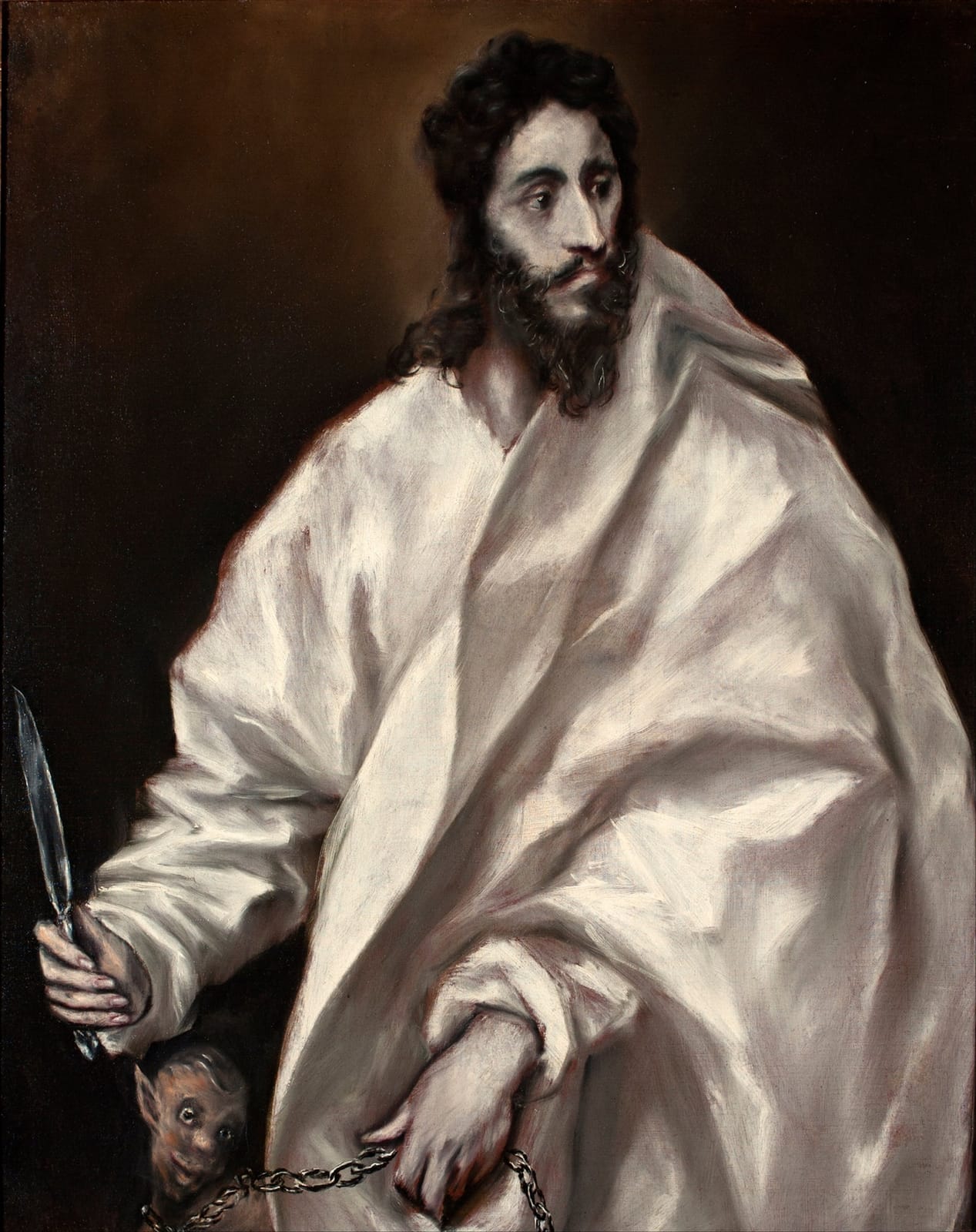
Saint Bartholomew
Saint Bartholomew, El Greco (1541–1614), c. 1610–1614. Credits

After Pentecost

August 24, 2020

August 24: St. Bartholomew, Apostle

From Dom Guéranger’s The Liturgical Year.

A witness of the Son of God, one of the princes who announced His glory to the nations, lights up this day with his apostolic flame. While his brethren of the sacred college followed the human race into all the lands whither the migration of nations had led it, Bartholomew appeared as the herald of the Lord at the very starting point, the mountains of Armenia, whence the sons of Noe spread over the earth. There had the figurative Ark rested; humanity, everywhere else a wanderer, was there seated in stillness, remembering the dove with its olive branch, and awaiting the consummation of the alliance signified by the rainbow which had there for the first time glittered in the clouds. Behold, blessed tidings awake in those valleys the echoes of ancient traditions: tidings of peace, making the universal deluge of sin subside before the Wood of salvation. The serenity announced by the dove of old, was now far outdone. Love was to take the place of punishment. The ambassador of heaven showed God to the sons of Adam, as the most beautiful of their own brethren.

This week's Sunday: The Twelfth Sunday after Pentecost

From Dom Guéranger’s The Liturgical Year.

On this Sunday, which is their twelfth of Saint Matthew, the Greeks read in the Mass the episode of the young rich man who questions Jesus, given in the nineteenth chapter of the Saint’s Gospel. In the west, it is the Gospel of the Good Samaritan which gives its name to this twelfth Sunday after Pentecost.

The Introit begins with that beautiful verse of Psalm lxix.: 'Come to mine assistance, O God! O Lord, make haste to help me!’ Cassian, in his tenth Conference, has admirably drawn out the beauty of these words, and shows how they are appropriate for every circumstance of life, and how fully they respond to every sentiment of the Christian soul. Durandus applies this Introit to Job, because the lessons for the Divine Office, which are taken from that Book of Scripture, sometimes, though not often, coincide with this Sunday. Rupert looks on this Introit as the fitting prayer of the deaf and dumb man, whose cure was the subject of our reflexions this day last week.

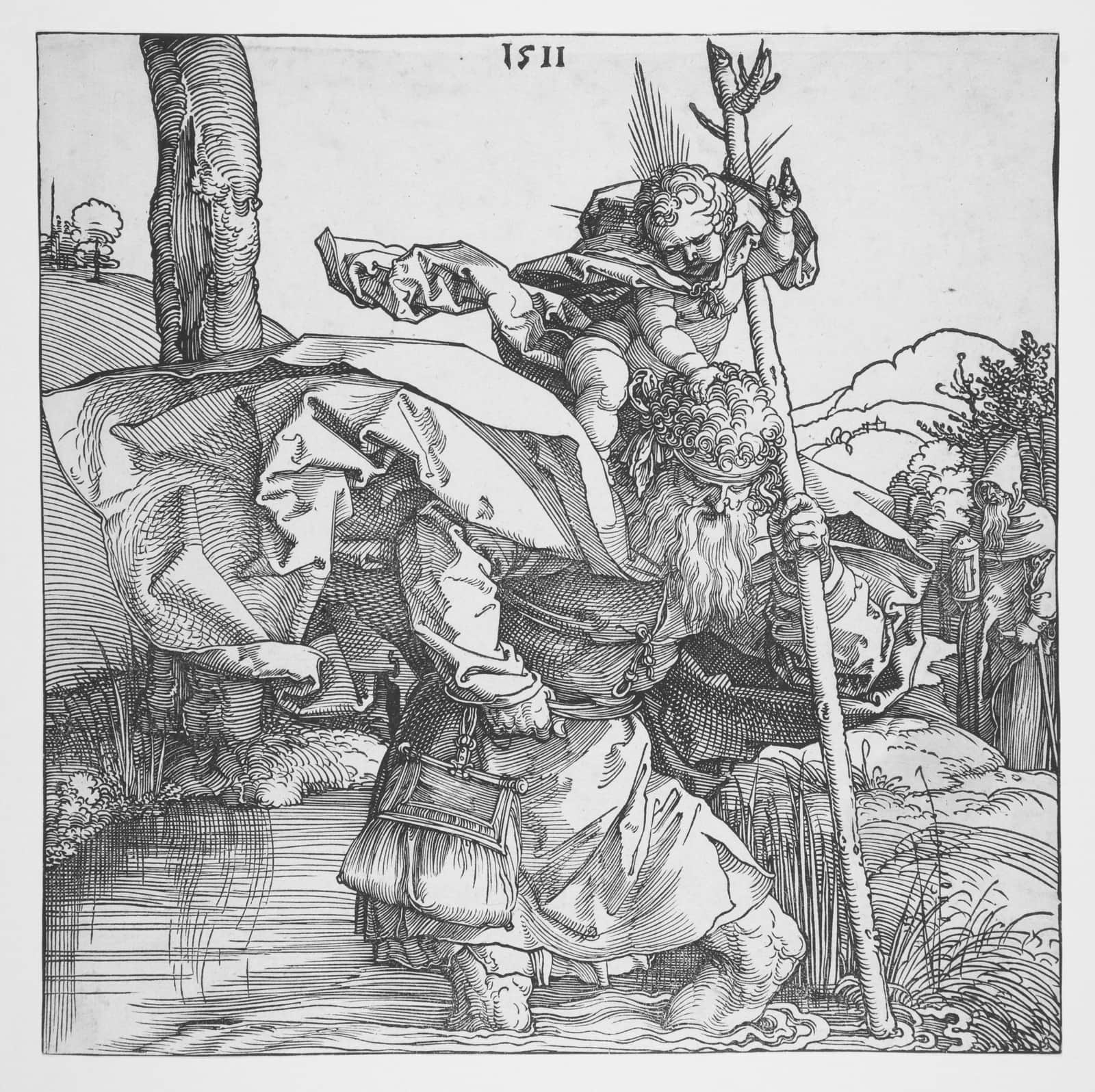
Saint Christopher carrying the Christ Child across the river
Albrecht Dürer (1471–1528), Saint Christopher, 1511. Credits

Email view of this day