This day

September 2, 2020

After Pentecost

September 2, 2020

September 2: St. Stephen, King of Hungary, Confessor

From Dom Guéranger’s The Liturgical Year.

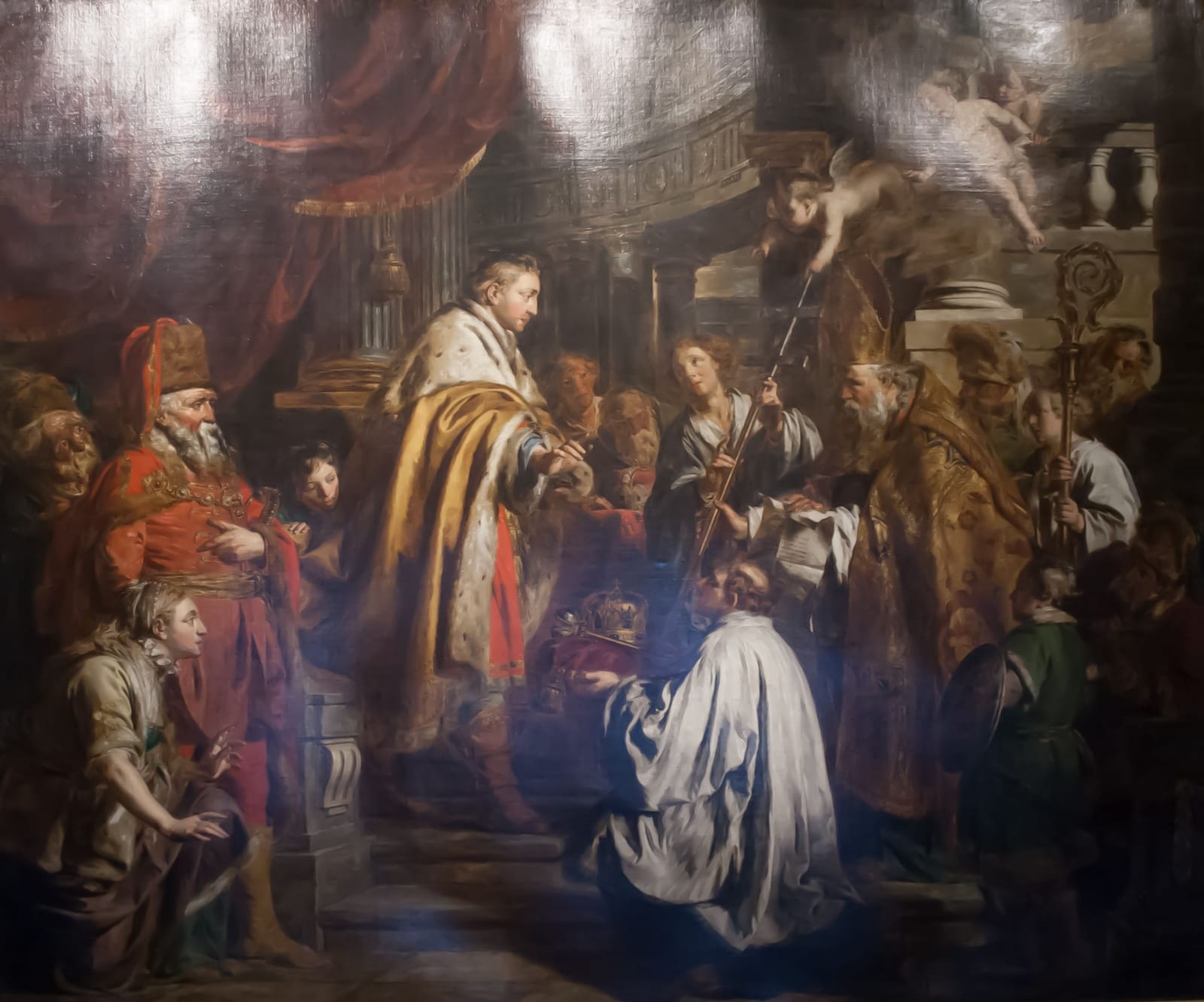
‘Out of the eater came forth meat, and out of the strong came forth sweetness. The people with teeth of steel, grinding the nations, gives itself up as food to him, to whom was said: “Kill and eat;” the mouth of the Huns, formerly vomiting foam and rage, now distils the honey of charity. Such, O Christ, are thy miracles; such are Thy works, O our God!’ Thus does Baronius, on reaching in his history the year of Christ 1000, hail the arrival of the Hungarian deputies, who came to offer to the Roman Church the suzerainty of their land, and beseech the Vicar of Christ to confer the title of king upon their duke Stephen.

We are carried back in thought a century earlier, when, led by Arcades, the son of Aleut, under the banner of the hawk, the Magyars came down from the mountains of Transylvania into the plains watered by the Theiss and the Danube. Attila seemed to live again in those sons of his race, who poured like a torrent over Germany, Gaul, and Italy. But the empire of the Huns over reconquered Pannonia was to be lasting only on condition of its ceasing to be the scourge of God, and becoming the rampart of His Church.

This week's Sunday: The Thirteenth Sunday after Pentecost

From Dom Guéranger’s The Liturgical Year.

The dominical series—which formerly counted from the feast of Saint Peter, or of the apostles—never went beyond this Sunday. The feast of Saint Laurence gave its name to those which follow; though that name began with even the ninth Sunday, for the years when Easter was further from the Spring equinox. And when that solemnity was kept at its latest date, the weeks began from to-day to be counted as the weeks of the seventh month (September).

The Ember-days of the autumn quarter sometimes occur even this week; whilst, other years, they may be as late as the eighteenth. We will speak of them when we come to the seventeenth Sunday, for it is in the week following that, that the Roman missal inserts them.

In the western Church, the thirteenth Sunday takes its name from the Gospel of the ten lepers, which is read in the Mass; the Greeks, who count it as the thirteenth of Saint Matthew, read on it the parable of the vineyard, whose labourers, though called at different hours of the day, all receive the same pay.

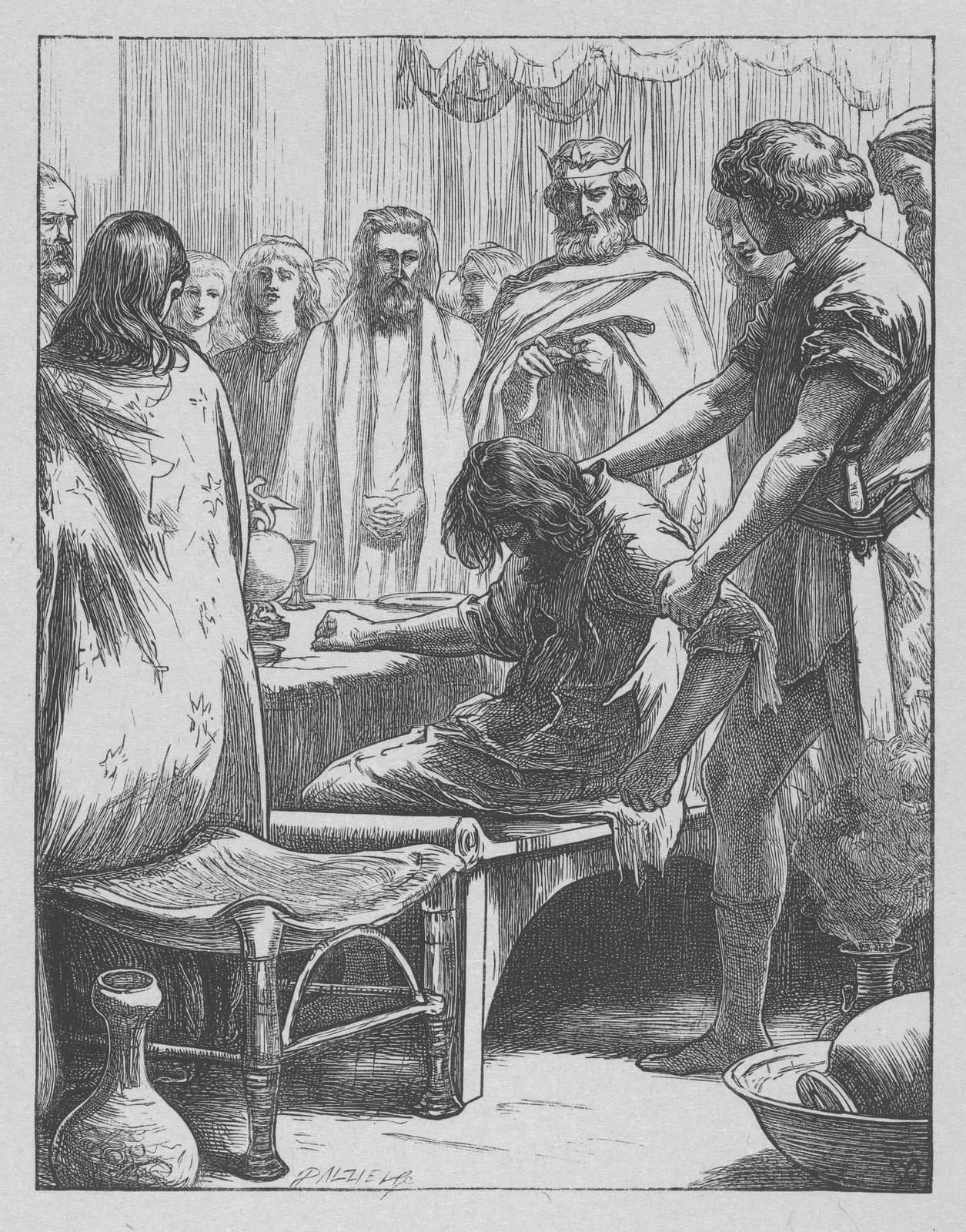
The marriage feast: the guest without a wedding garment
Sir John Everett Millais (1829–1896), The Marriage Feast, from The Parables of Our Lord and Saviour Jesus Christ, 1864. Credits

Email view of this day