This day

September 10, 2020

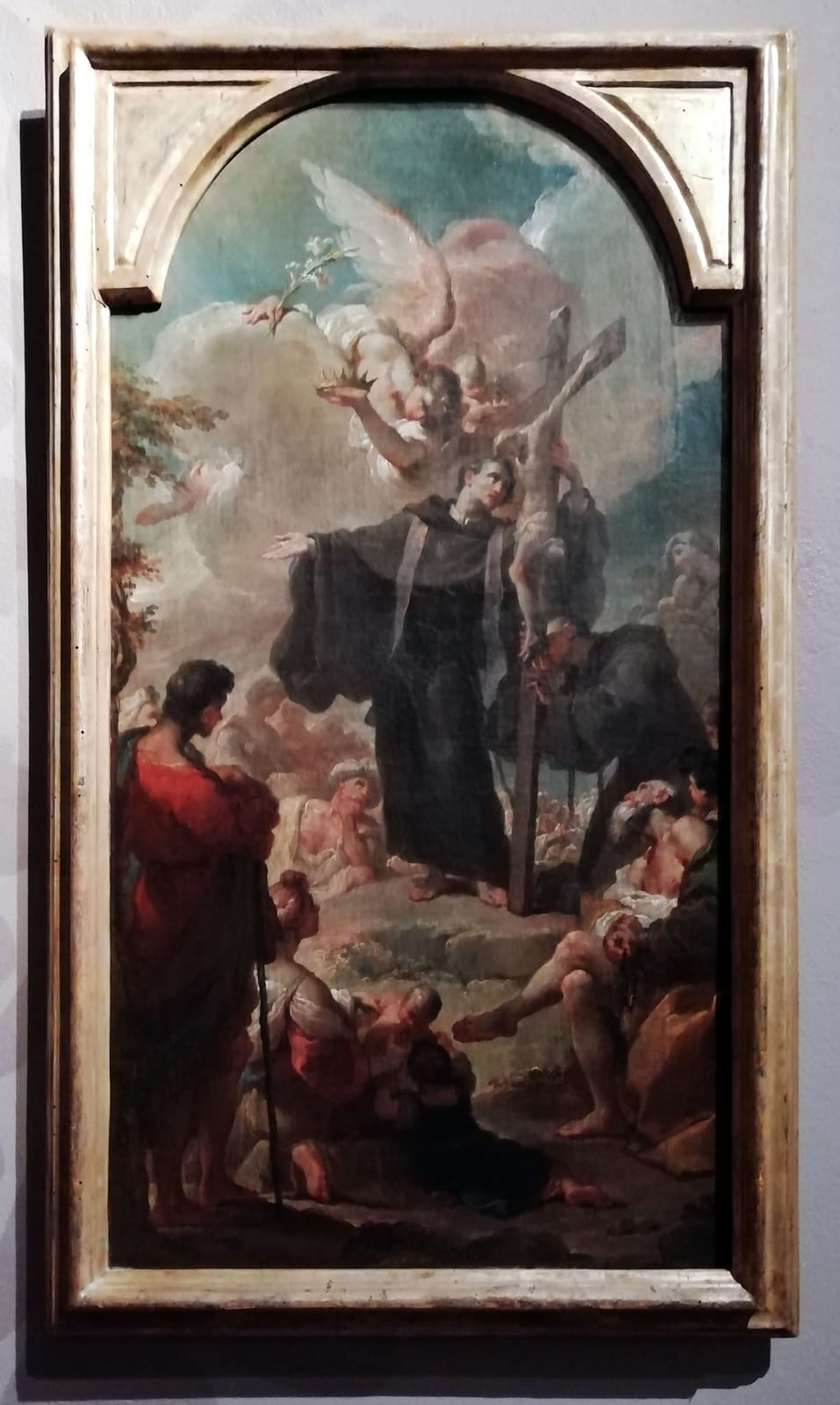
Saint Nicholas of Tolentino
Saint Nicholas of Tolentino, Ubaldo Gandolfi (1728–1781), c. 1769. Credits

After Pentecost

September 10, 2020

September 10: St. Nicholas of Tolentino, Confessor

From Dom Guéranger’s The Liturgical Year.

To-day the infant Mary smiles upon the lily offered her in her cradle by the representative of a great Order. The hermits of St. Augustine were being grouped and organized by the Vicar of Christ, when Nicholas was admitted into their family, of which he was soon to become the thaumaturgus. When he died, in 1305, the Roman Pontiffs were beginning their exile at Avignon; and his canonization, deferred for nearly a century and a half through the troubles of the period, marked the close of the lamentable dissensions which followed that exile.

Peace so long lost; peace, of which even the wisest despaired—such was the ardent prayer, the solemn adjuration of Eugenius IV, when, towards the close of his laborious pontificate, he committed the cause of the Church to the humble servant of God placed by him upon her altars. According to the testimony of Sixtus V, the obtaining of this peace was the greatest of Nicholas’s miracles; a miracle which moved the latter Pontiff to order the celebration of the saint’s feast as a double, at a time when days of that rank were much rarer on the calendar than now.

This week's Sunday: The Fourteenth Sunday after Pentecost

From Dom Guéranger’s The Liturgical Year.

In the western Church this Sunday is called that of the two masters, because of the Gospel which is read upon it. The Greeks give it the name of the Sunday of the invited to the marriage-feast, or, the fourteenth of St. Matthew, unless the feast of the Exaltation of the holy Cross (September 14) happen to fall during the ensuing week. In this latter case this and the following Sunday are called ‘of the Exaltation,' and take for their Gospels the first from St. John, the second from St. Mark. After this, follow the Sundays called ‘of St. Luke,’which go on till Lent, in the manner already described for St. Matthew.

Behold, O God, our protector! and look on the face of thy Christ! Thus begins the Church, as she advances towards the altar, whereon the holy sacrifice is going to be offered up. The Church is the bride of the Man-God; she is, as the apostle says, His glory; but the Spouse, according to the same St. Paul, is both the image and the glory of God, and the head of His bride.

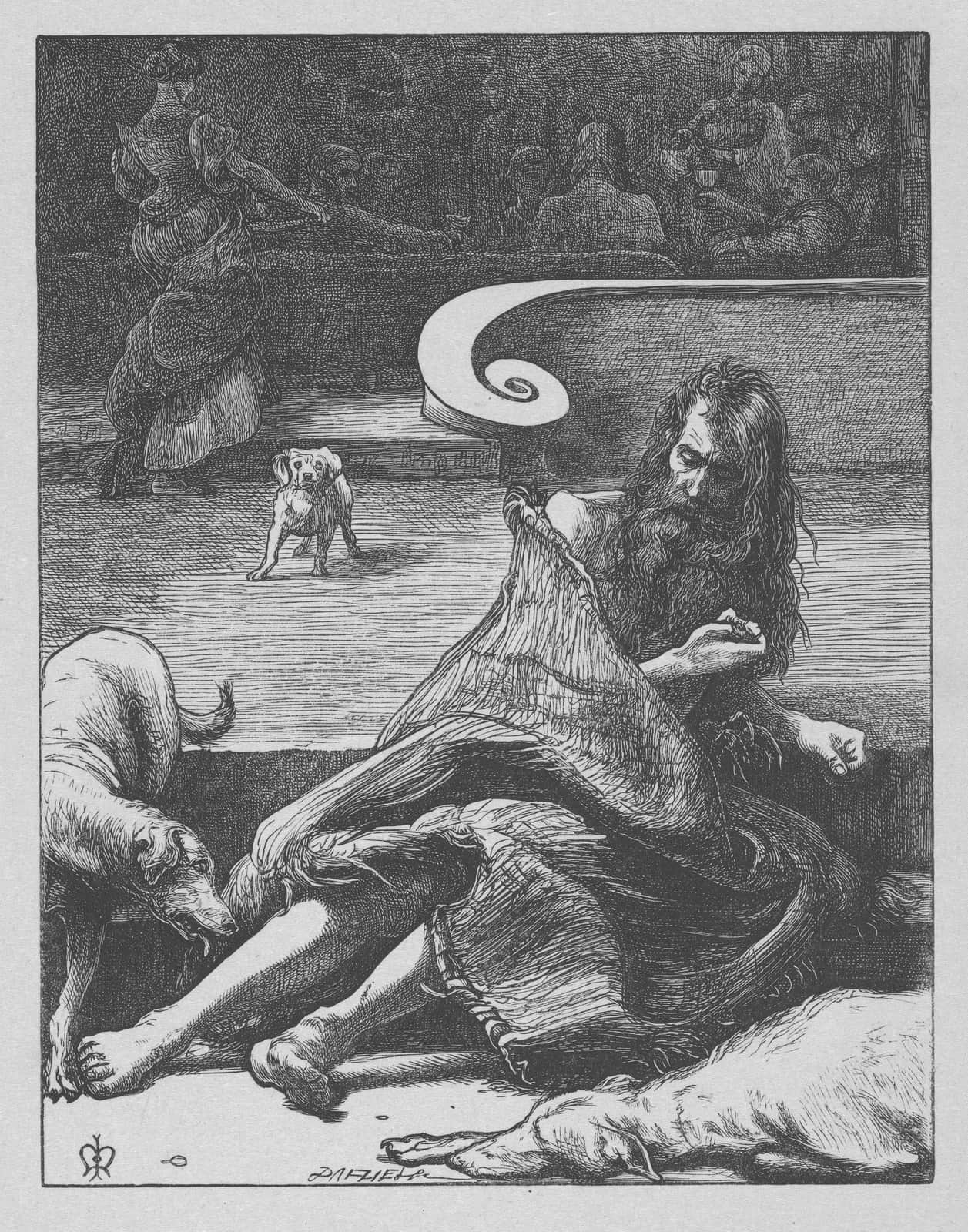
The rich man and Lazarus
Sir John Everett Millais (1829–1896), The Rich Man and Lazarus, from The Parables of Our Lord and Saviour Jesus Christ, 1864. Credits

Email view of this day