This day

October 1, 2020

After Pentecost

October 1, 2020

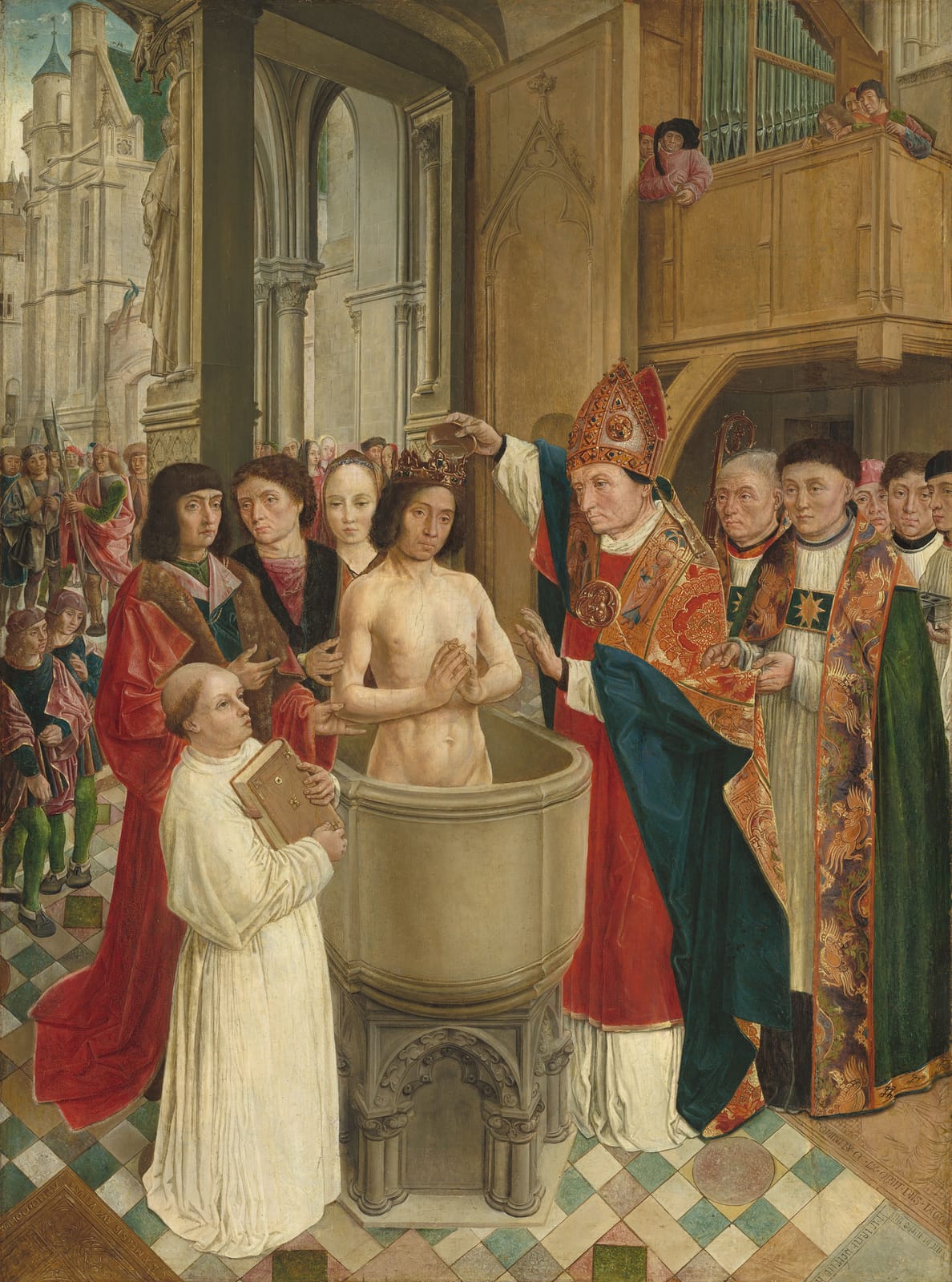
October 1: St. Remigius, Bishop and Confessor, Apostle of the Franks

From Dom Guéranger’s The Liturgical Year.

Scarcely had two centuries elapsed since the triumph of the cross over Roman idolatry, when satan began to cry victory once more. While Eutychianism was crowned at Byzantium in the person of Anastasius the silent, Arianism was rife in the west. Throughout the whole ancient territory of the empire, heresy was supreme, and almost everywhere was persecuting the Church, who had now none but the vanquished for her sons.

‘But fear not; rather rejoice,’ says Baronius at this point of his Annals; ‘it is divine Wisdom still delighting to play in the world. The thoughts of men count for little before Him who holds the light in His hands, to hide it when He pleases, and, when He wills, to bring it forth again. The darkness, that now covers the earth, marks the hour when the dawn is about to break in the hearts of the Franks, and the Catholic faith is to shine there in all its glory.’

Little known in our days is such a manner of writing history; yet this was the view taken by the first historian of the Church, and the greatest.

This week's Sunday: The Seventeenth Sunday after Pentecost

From Dom Guéranger’s The Liturgical Year.

The Gospel, which is now assigned to the Mass of the seventeenth Sunday, has given it the name of the Sunday of the love of God, dating, that is, from the time when the Gospel of the cure of the dropsy and of the invitation to the wedding-feast was anticipated by eight days. Previously even to that change, and from the very first, there used to be read, on this seventeenth Sunday, another passage from the new Testament, which is no longer found in this series of Sundays: it was the Gospel which mentions the difficulty regarding the resurrection of the dead, which the Sadducees proposed to our Lord.

The judgments of God are always just, whether it be, in His justice, humbling the proud, or, in His mercy, exalting the humble. This day last week we saw this sovereign disposer of all things, allotting to each his place at the divine banquet. Let us recall to mind the behaviour of the guests, and the respective treatment shown to the humble and the proud.

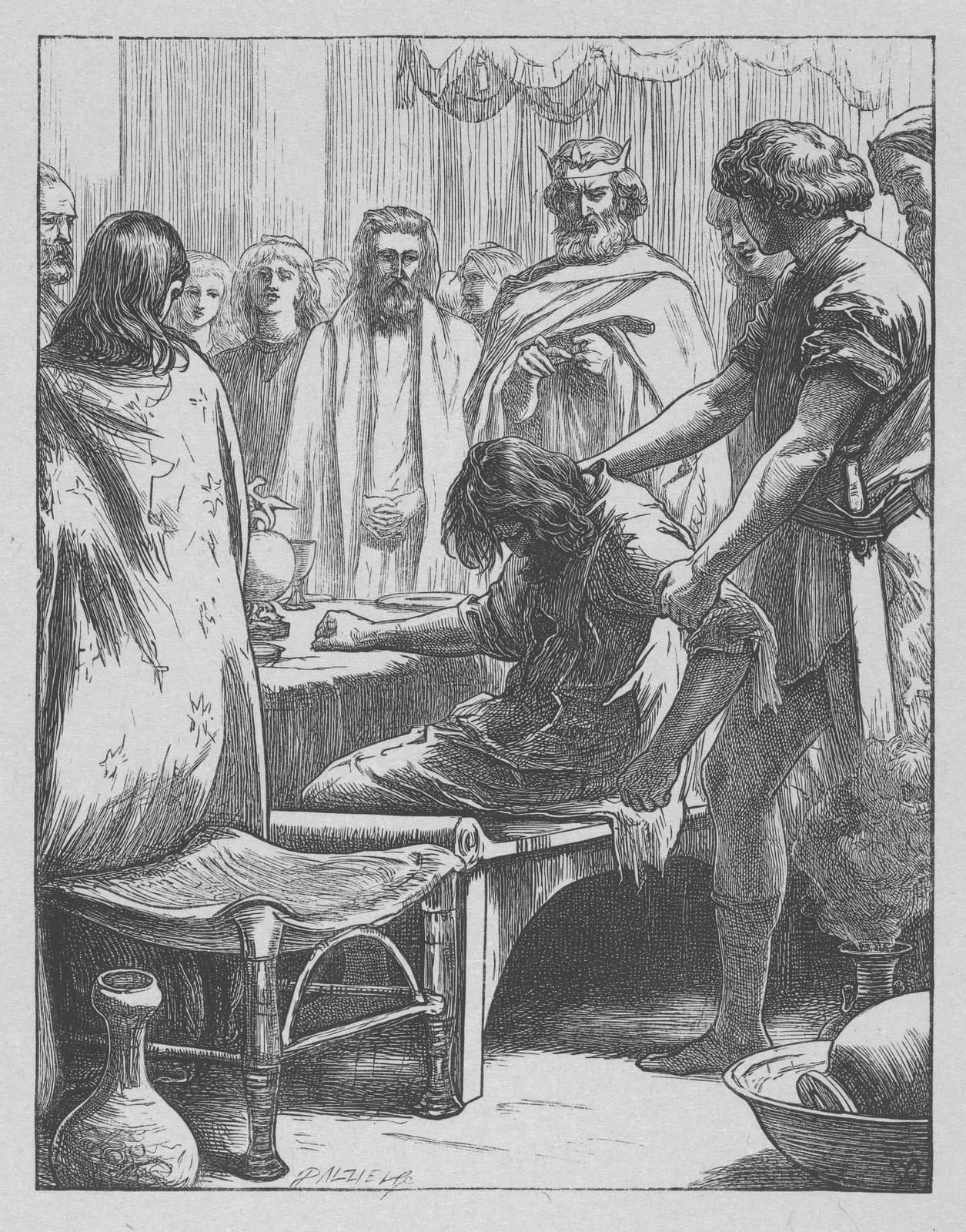
The marriage feast: the guest without a wedding garment
Sir John Everett Millais (1829–1896), The Marriage Feast, from The Parables of Our Lord and Saviour Jesus Christ, 1864. Credits

Email view of this day