This day

October 3, 2020

After Pentecost

October 3, 2020

October 3: St. Teresa of the Child Jesus, Virgin

From Dom Guéranger’s The Liturgical Year.

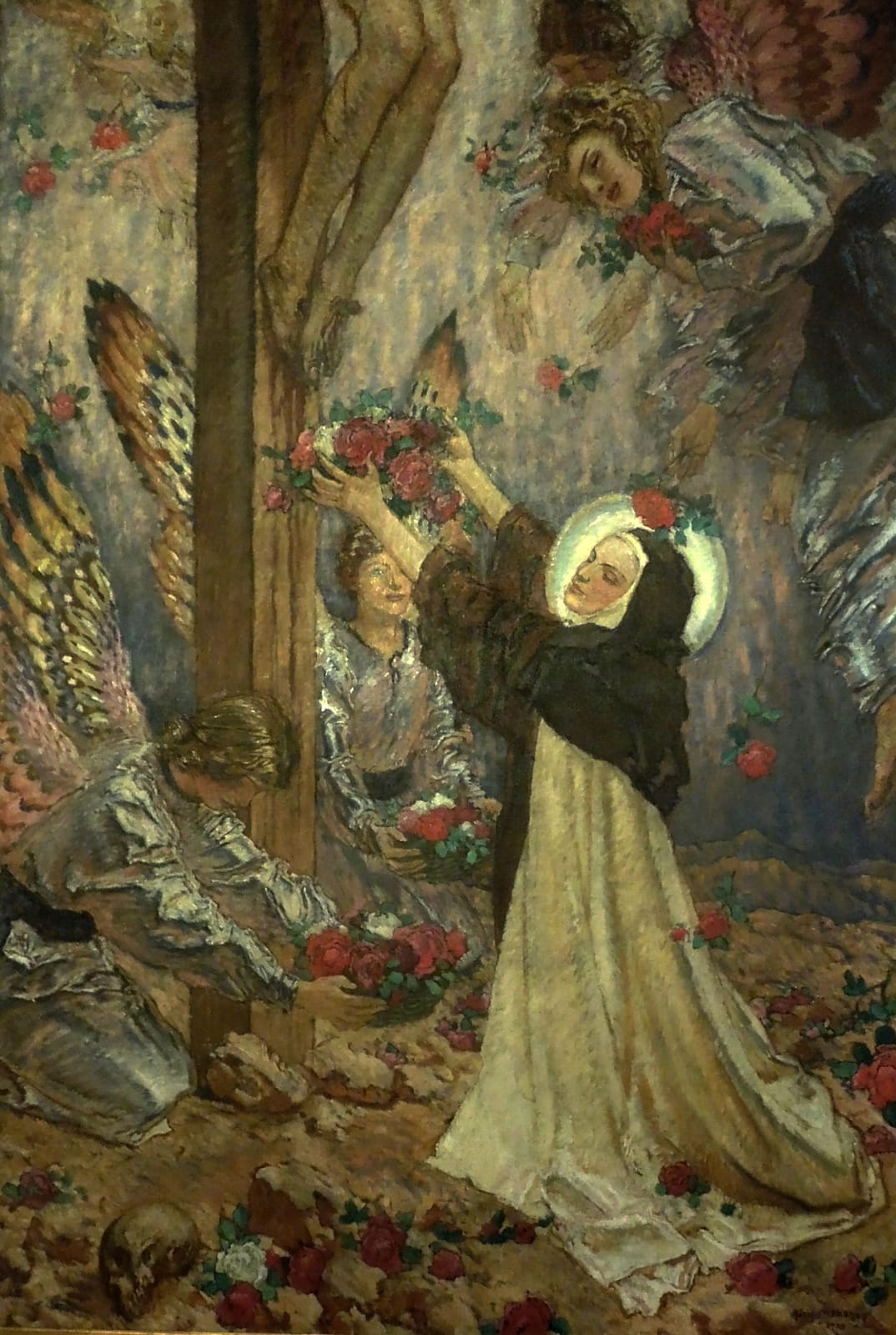
Wonder-worker as is the saint of to-day, fulfilling her dying prophecy, “After my death I will let fall a shower of roses,” she is her own greatest miracle. Her world-wide popularity, to which is united in most cases a devotion which has reorientated many a life, and in all has been a stimulus and an encouragement, is recognized to be phenomenal. It has been said with respect to doctrinal definitions that the faithful have a passive “infallibility,” whereby their need answers exactly to the definition; the same would seem to be true in the case of devotions and saints; they are given to us when and as they are needed.

In an age which worships visible efficiency which, even in the spiritual sphere, too often demands substantial material results before it will revere and believe, the saint who has won hearts—and souls— as few indeed have done, is no great religious and social reformer nor, in her lifetime, an apostle carrying the truth to the ends of the earth; nor even a preacher upon whose words crowds have hung spellbound, nor a scholar gathering around his rostrumall that was best in the intellectual world of his day; but a girl who was unknown beyond a small circle of relatives and friends.

This week's Sunday: The Seventeenth Sunday after Pentecost

From Dom Guéranger’s The Liturgical Year.

The Gospel, which is now assigned to the Mass of the seventeenth Sunday, has given it the name of the Sunday of the love of God, dating, that is, from the time when the Gospel of the cure of the dropsy and of the invitation to the wedding-feast was anticipated by eight days. Previously even to that change, and from the very first, there used to be read, on this seventeenth Sunday, another passage from the new Testament, which is no longer found in this series of Sundays: it was the Gospel which mentions the difficulty regarding the resurrection of the dead, which the Sadducees proposed to our Lord.

The judgments of God are always just, whether it be, in His justice, humbling the proud, or, in His mercy, exalting the humble. This day last week we saw this sovereign disposer of all things, allotting to each his place at the divine banquet. Let us recall to mind the behaviour of the guests, and the respective treatment shown to the humble and the proud. Adoring these judgments of our Lord, let us sing our Introit; and, as far as regards ourselves, let us throw ourselves entirely upon His mercy.

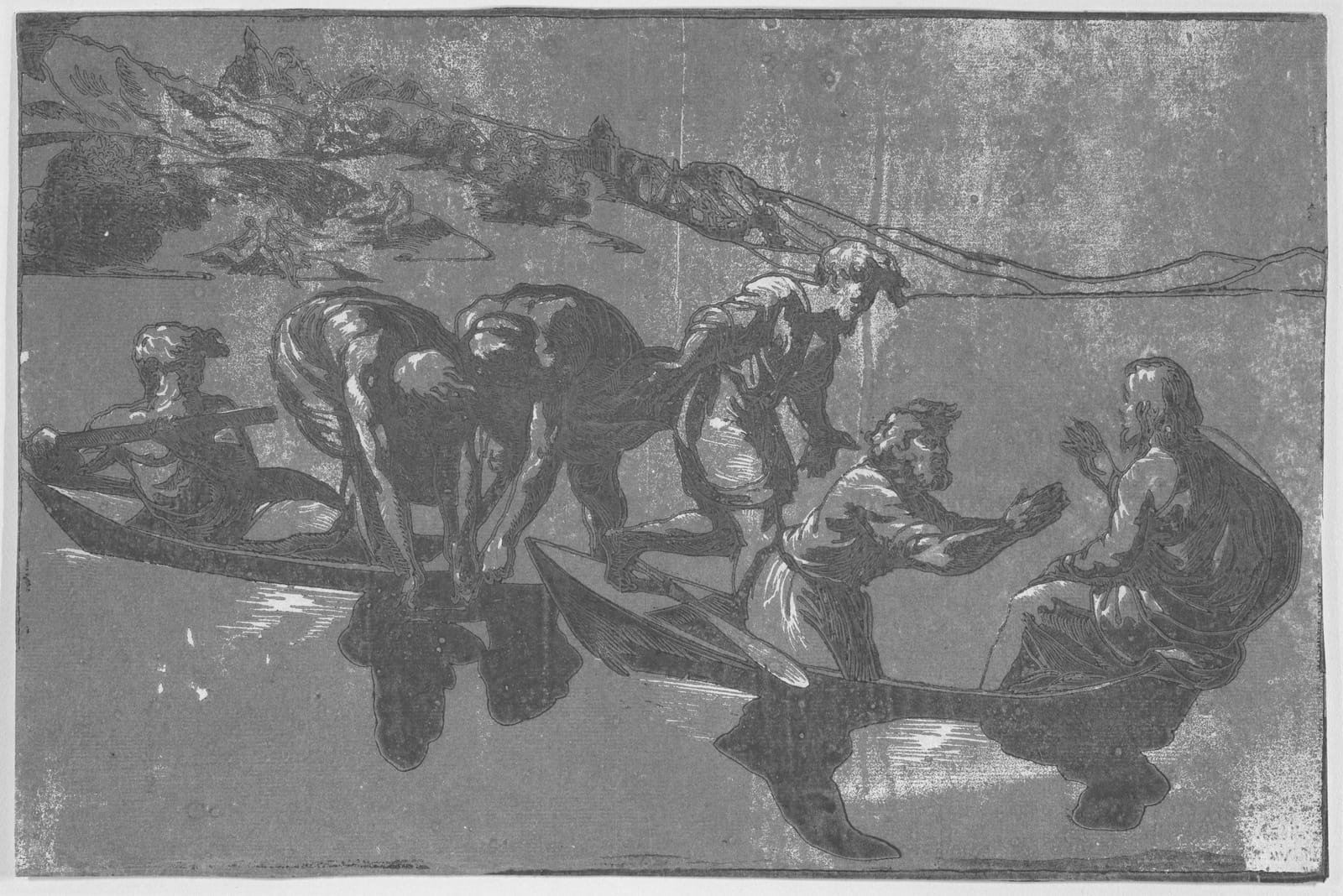
The miraculous draught of fishes
Niccolò Vicentino (1510–1550), The Miraculous Draught of Fishes, 1540–50. Credits

Email view of this day