This day

October 8, 2020

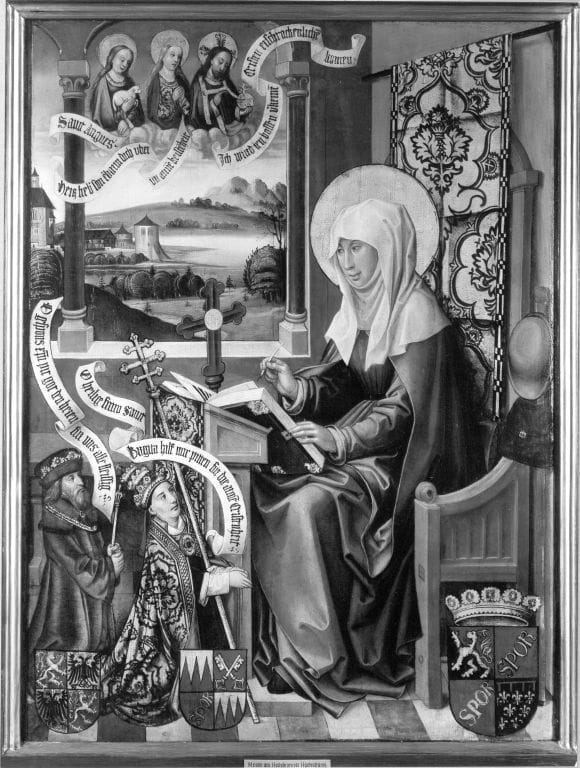
Saint Bridget Writing her Revelations
Saint Bridget Writing her Revelations, Hans Traut (1487–1516), 1505. Credits

After Pentecost

October 8, 2020

A Double leads; Sts. Sergius, Bacchus, Marcellus and Apuleius are commemorated.Rubric

October 8: St. Bridget, Widow

From Dom Guéranger’s The Liturgical Year.

‘Who, O Lord, has treated Thee thus?’ ‘They that despise Me and forget My love.’ This was the first revelation of the Son of God to Bridget of Sweden. Francis of Assisi, raising before the world the standard of the cross, had announced that Christ was about to recommence the dolorous way; not now in His own Person, but in the Church, who is flesh of His flesh. The truth of this declaration Bridget experienced from the very opening of that fatal fourteenth century, during which such innumerable disasters, the results of crime, fell at once upon the west.

Born in the year when Sciarra Colonna, a new Pilate’s servant, dared to strike the Vicar of Christ, Bridget’s childhood was contemporaneous with those sad falls, which caused the Church to be despised by her enemies. There were no saints in Christendom comparable to the great ones of old; in the preceding age the Latin races had exhausted their vitality in producing flowers; but where were the promised fruits? Ancient Europe had nought but affronts for the Word of God; this feast, this apparition of Jesus in cold Scandinavia, seems to point to His flight from the habitual centre of His predilection.
Chapter 8: Of the Office of Compline for Sundays and Feasts during the Time after Pentecost

From Dom Guéranger’s The Liturgical Year.

This Office, which concludes the day, commences by a warning of the dangers of the night; then immediately follows the public confession of our sine, as a powerful means of propitiating the divine justice, and of obtaining God’s help, now that we are going to spend so many hours in the unconscious, and therefore dangerous, state of sleep, which is also such an image of death.

May the almighty Lord grant us a quiet night, and a perfect end.
℟. Amen.

The lector then reads these words, from the first Epistle of St. Peter: Fratres: Sobrii estote et vigilate: quia adversarius vester diabolus tamquam leo rugiens circuit, quærens quem devoret: cui resistite fortes in fide. Tu autem, Domine, miserere nobis.

Brethren, be sober and watch: because your adversary the devil, as a roaring lion, goeth about seeking whom he may devour: whom resist ye, strong in faith. But thou, O Lord, have mercy on us.

Then the Lord’s Prayer is recited in secret; after which the priest says the Confiteor, and when he has finished, the choir repeats it. The priest, having pronounced the general form of absolution, says:

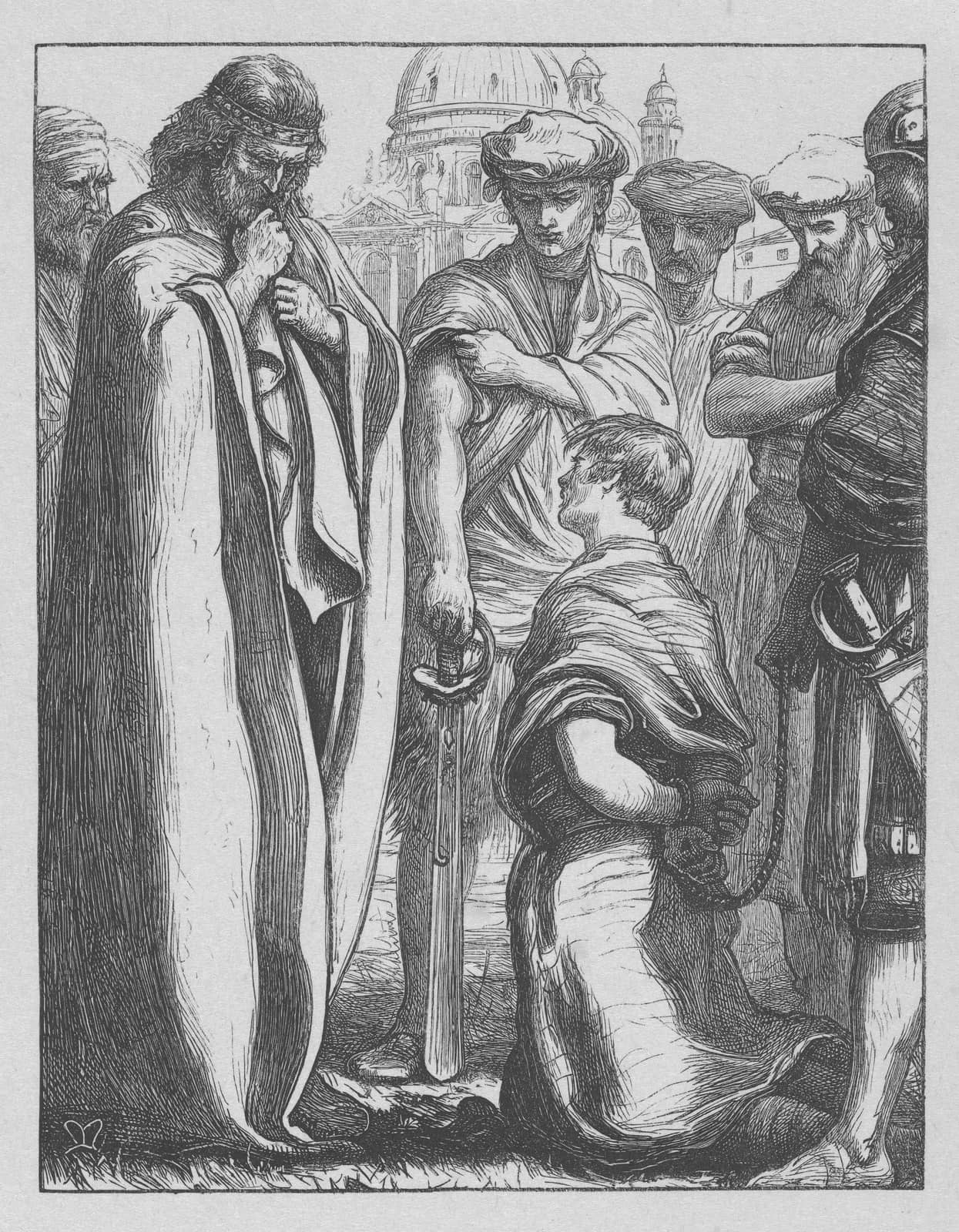
The parable of the unmerciful servant
Sir John Everett Millais (1829–1896), The Unmerciful Servant, from The Parables of Our Lord and Saviour Jesus Christ, 1864. Credits

Email view of this day