Paschal Time
April 26, 2021
A Semidouble leads the weekday.Rubric
April 26: Sts. Cletus and Marcellinus, Popes and Martyrs
From Dom Guéranger’s The Liturgical Year.
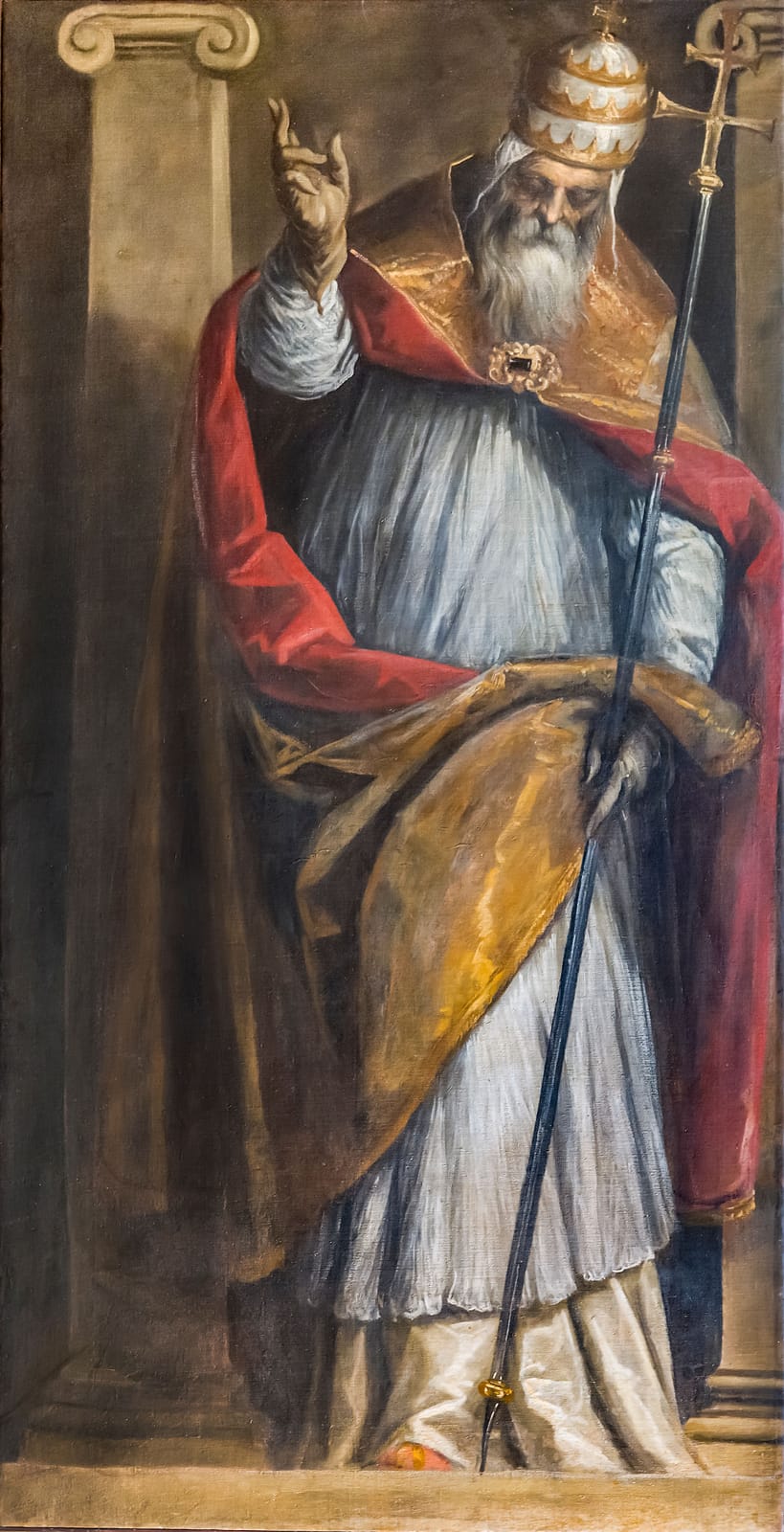
TWO bright stars appear this day on the ecclesiastical cycle, proclaiming the glory of our Jesus, the Conqueror of death. Again they are two pontiffs, and martyr pontiffs. Cletus leads us to the very commencement of the Church, for he was a disciple of Peter, and his second successor in the See of Rome. Marcellinus was a witness of the great persecution under Diocletian; he governed the Church on the eve of her triumph. Let us honour these two fathers of Christendom, who laid down their lives in its defence; and let us offer their merits to Jesus, who supported them by his grace, and cheered them with the hope that one day they would share in his Resurrection.
The following is the account given of St Cletus by the Liturgy: Cletus Romanus, patre Emiliano, de regione quinta, e vico Patricio, imperatoribus Vespasiano et Tito, Ecclesiam gubernavit. Is ex præcepto Principis Apostolorum, in Urbe viginti quinque presbyteros ordinavit. Primus in litteris verbis illis usus est: Salutem et Apostolicam benedictionem. Qui Ecclesia optime constituta, cum ei præfuisset annos duodecimo menses septem, dies duos, Domitiano imperatore, secunda post Neronem persecutione, martyrio corona tus est, et in Vaticano juxta corpus beati Petri sepultus.