This day

May 2, 2021

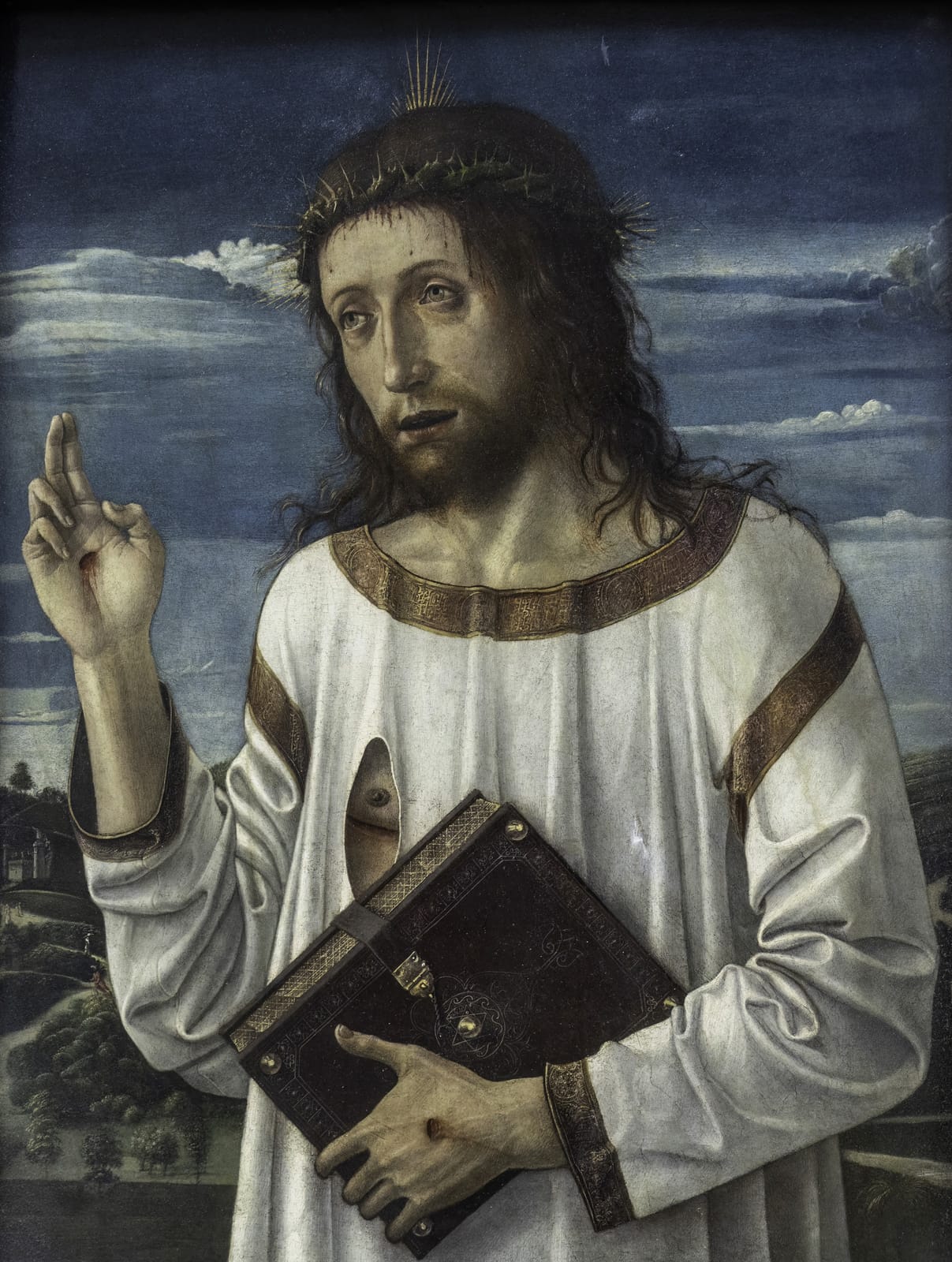
Christ blessing, holding a book, with the wound in his side visible through his tunic
Blessing Christ, Giovanni Bellini (1430–1516), c. 1465–70. Credits

Paschal Time

May 2, 2021

Fourth Sunday after Easter

From Dom Guéranger’s The Liturgical Year.

℣. In thy resurrection, O Christ, alleluia.
℟. Let heaven and earth rejoice, alleluia.

OUR Jesus has organized his Church, and confided to his Apostles the sacred deposit of the truths which are to form the object of our faith. We must now follow him in another work, of equal importance to the world, to which he gives his divine attention during these forty days: it is the institution of the sacraments. It is not enough that we believe; we must, moreover, be made just—that is, we must bear upon us the likeness of God’s holiness; we must receive, we must have incorporated within us that great fruit of the redemption which is called grace; that thus being made living members of our divine Head, we may be made join theirs with him of the kingdom of heaven. Now it is by means of the sacraments that Jesus is to produce in us this wondrous work of our justification; he applies to us the merits of his Incarnation and Sacrifice, but he applies them by certain means, which he himself, in his power and wisdom, has instituted.
Chapter 1: The History of Paschal Time

From Dom Guéranger’s The Liturgical Year.

WE give the name of Paschal Time to the period between Easter Sunday and the Saturday following Whit Sunday. It is the most sacred portion of the liturgical year, and the one towards which the whole cycle converges. We shall easily understand how this is, if we reflect upon the greatness of Easter, which is called the feast of feasts, and the solemnity of solemnities, in the same manner, says St. Gregory, as the most sacred part of the Temple was called the Holy of holies; and the book of sacred scripture, wherein are described the espousals between Christ and the Church, is called the Canticle of Canticles. It is on this day that the mission of the Word Incarnate attains the object towards which it has hitherto been tending: man is raised up from his fall and regains what he had lost by Adam’s sin.

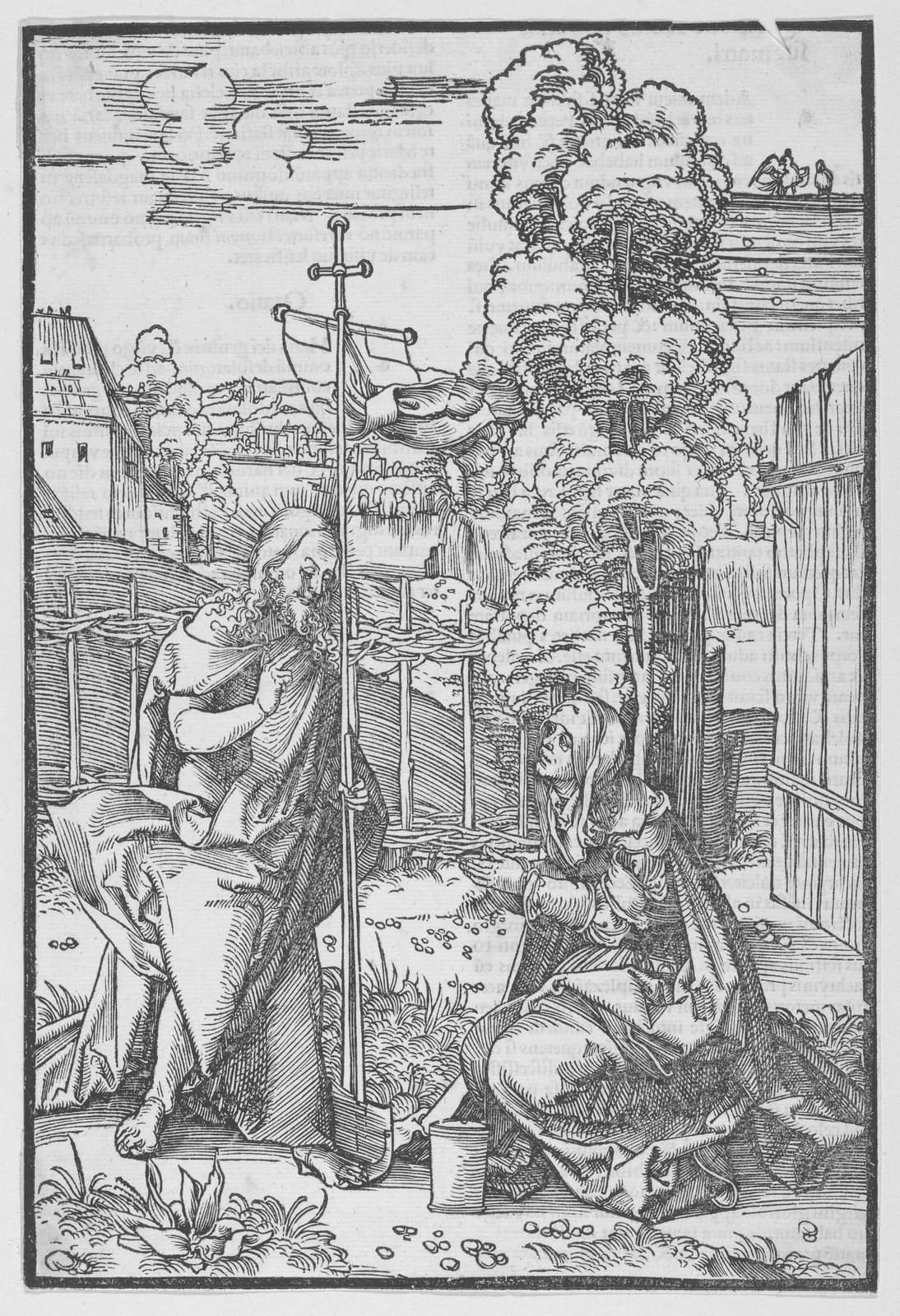
Noli me tangere: the risen Christ appears to Mary Magdalene in the garden
Hans Schäufelein (1480–1540), Christ Appearing to Mary Magdalen (Noli Me Tangere), from Speculum passionis domini nostri Ihesu Christi, 1507. Credits

Email view of this day