This day

July 2, 2021

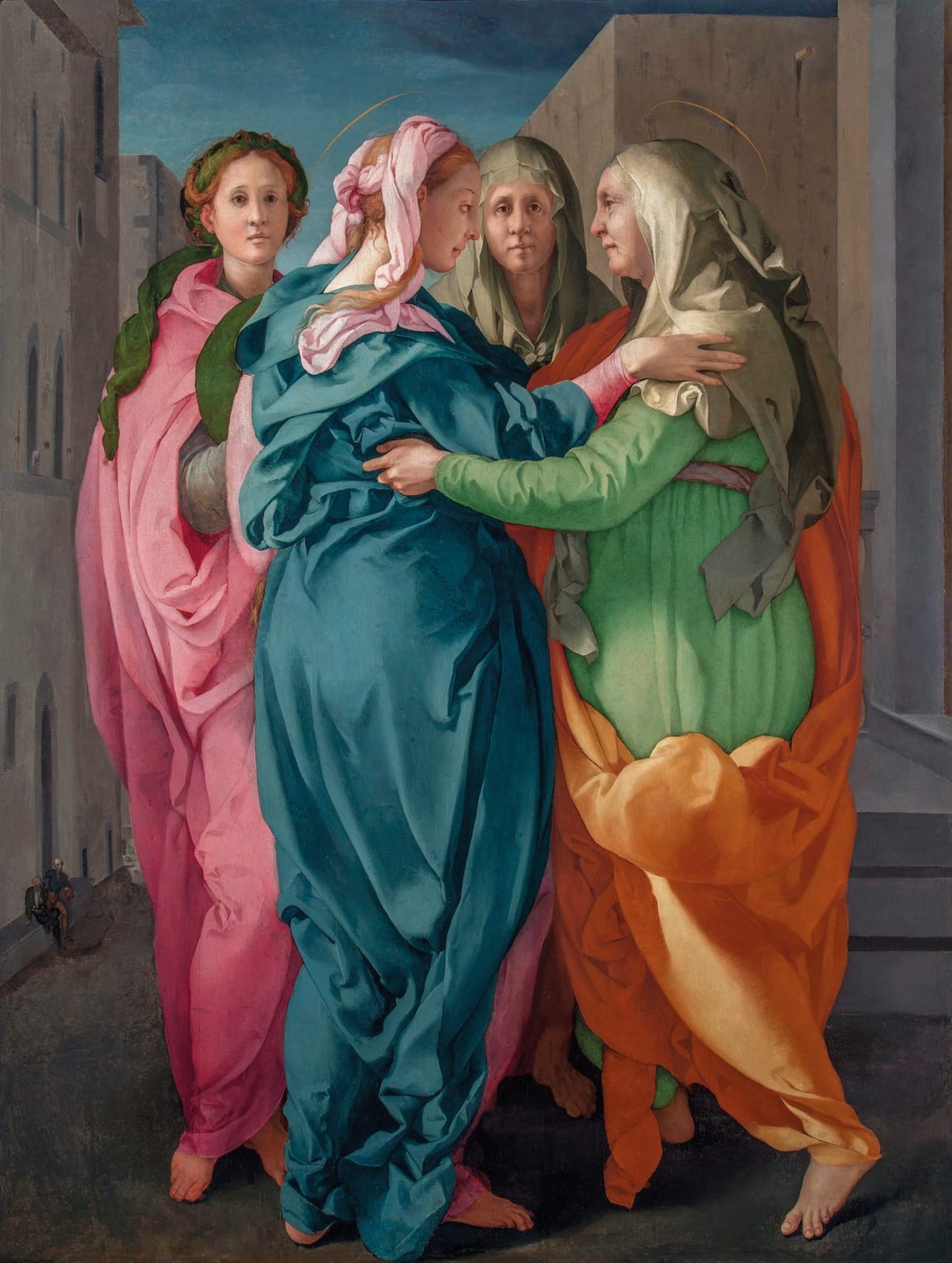
The Visitation
The Visitation, Pontormo, c. 1528–1529. Credits

After Pentecost

July 2, 2021

A Double of the II Class leads; Sts. Processus and Martinianus are commemorated.Rubric

July 2: The Visitation of the Blessed Virgin Mary

From Dom Guéranger’s The Liturgical Year.

OUR Lady's visit to her cousin Elizabeth already engaged our attention whilst we were preparing for the Christmas festival. But it is only fitting to return again to an event so important in our Lady’s life; the mere commemoration of this mystery made on Ember Friday in Advent would be insufficient to bring forward all it contains of deep teaching and holy joy. Since in the course of centuries the holy liturgy has been gaining more and more completeness, it is but natural that this precious mine should come to be further opened in honour of the Virgin Mother. The Order of St Francis, it would seem, as well as certain particular churches, such as Rheims and Paris for example—had already taken the initiative, when Urban VI, in 1389, instituted to-day's solemnity. The Pope counselled a fast on the vigil of the feast, and ordered that it should be followed by an octave; he granted for its celebration the same indulgences as Urban IV had, in the previous century, attached to the festival of Corpus Christi. The Bull of promulgation, stopped by the Pontiff's death, was again taken up and published by Boniface IX, his successor on the Chair of Peter.
Chapter 8: Of the Office of Compline for Sundays and Feasts during the Time after Pentecost

From Dom Guéranger’s The Liturgical Year.

This Office, which concludes the day, commences by a warning of the dangers of the night; then immediately follows the public confession of our sine, as a powerful means of propitiating the divine justice, and of obtaining God’s help, now that we are going to spend so many hours in the unconscious, and therefore dangerous, state of sleep, which is also such an image of death.

May the almighty Lord grant us a quiet night, and a perfect end.
℟. Amen.

The lector then reads these words, from the first Epistle of St. Peter: Fratres: Sobrii estote et vigilate: quia adversarius vester diabolus tamquam leo rugiens circuit, quærens quem devoret: cui resistite fortes in fide. Tu autem, Domine, miserere nobis.

Brethren, be sober and watch: because your adversary the devil, as a roaring lion, goeth about seeking whom he may devour: whom resist ye, strong in faith. But thou, O Lord, have mercy on us.

Then the Lord’s Prayer is recited in secret; after which the priest says the Confiteor, and when he has finished, the choir repeats it. The priest, having pronounced the general form of absolution, says:

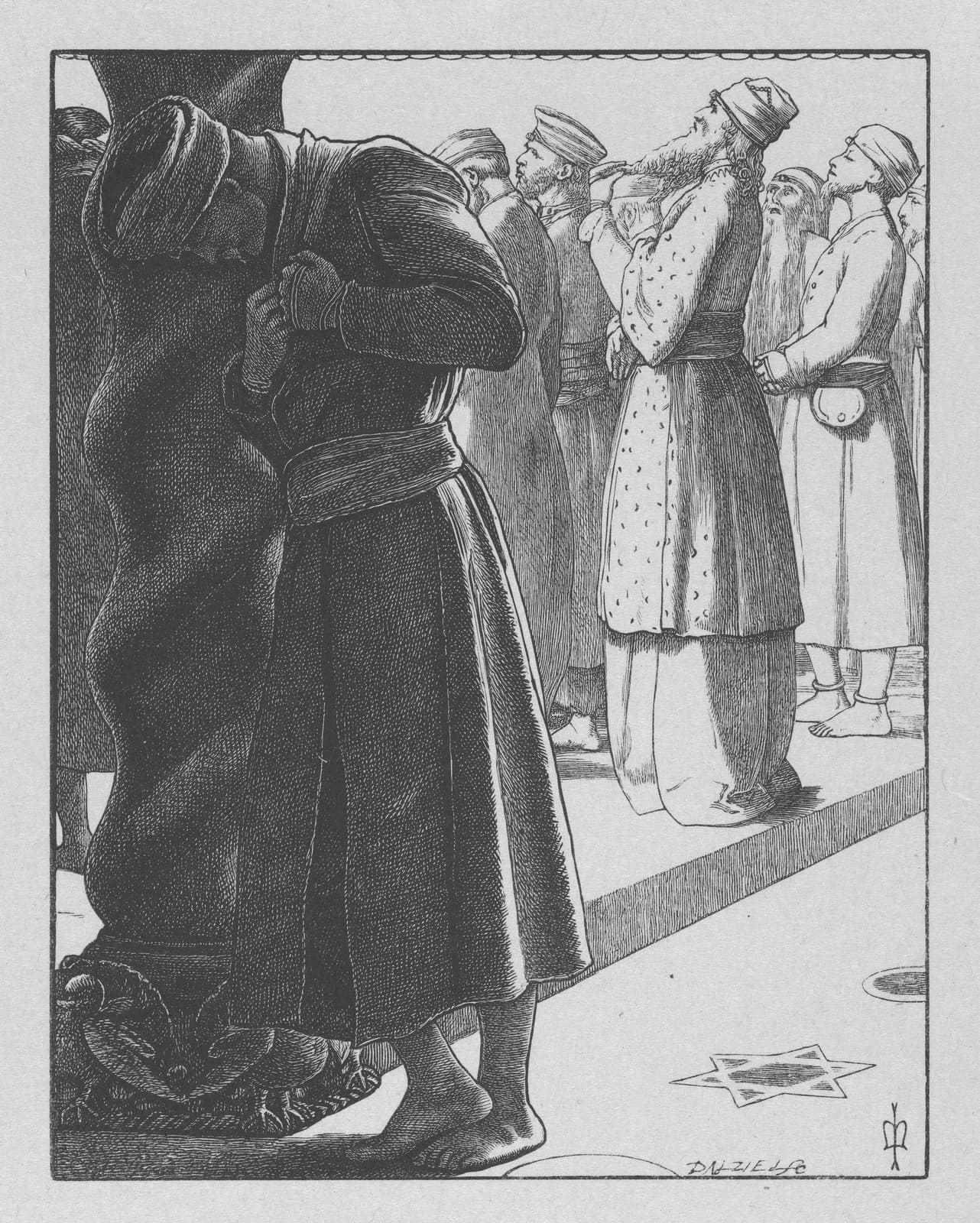
The Pharisee and the publican in the Temple
Sir John Everett Millais (1829–1896), The Pharisee and the Publican, from The Parables of Our Lord and Saviour Jesus Christ, 1864. Credits

Email view of this day