This day

July 20, 2021

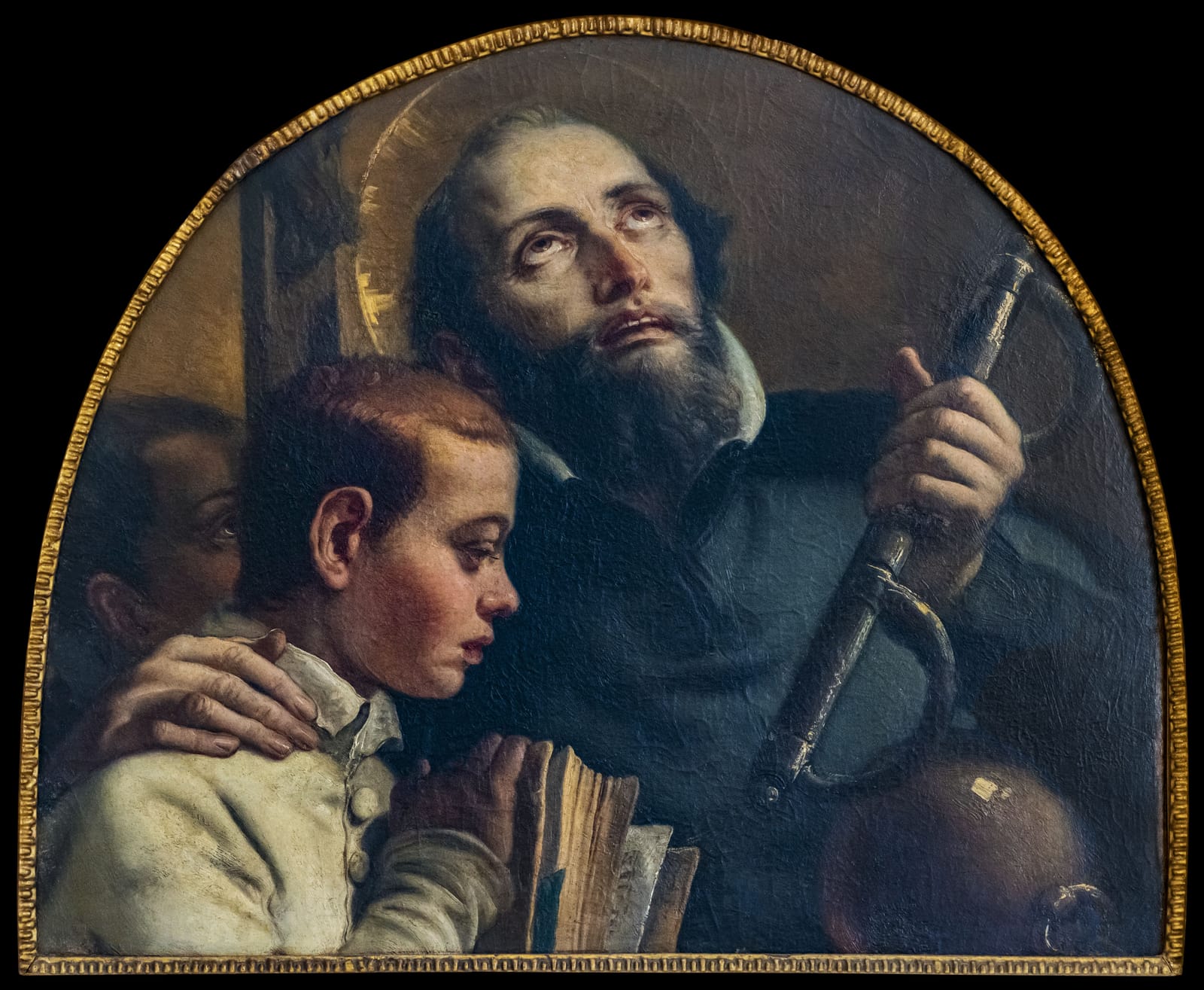
San Girolamo Miani (from the Zianigo chapel)
Saint Jerome Emiliani (from the Zianigo chapel), Giandomenico Tiepolo (1727–1804). Photo: Didier Descouens. Credits

After Pentecost

July 20, 2021

A Double leads; St. Margaret is commemorated.Rubric

July 20: St. Jerome Æmilian, Confessor

From Dom Guéranger’s The Liturgical Year.

SPRUNG from the powerful aristocracy which won for Venice twelve centuries of splendour, Jerome came into the world when that city had reached the height of its glory. At fifteen years of age he became a soldier, and was one of the heroes in that formidable struggle wherein his country withstood the united powers of almost all Europe in the League of Cambrai. The golden city, crushed for a moment, but soon restored to her former condition, offered her honours to the defender of Castelnovo, who, like herself, had fallen bravely and risen again. But our Lady of Treviso had delivered him from his German prison, only to make him her own captive; she brought him back to the city of St. Mark, there to fulfil a higher mission than the proud republic could have entrusted to him. The descendant of the Æmiliani, captivated, as was Lawrence Justinian a century before, by Eternal Beauty, would now live only for the humility which leads to heaven, and for the lofty deeds of charity. His title of nobility will be derived from the obscure village of Somascha, where he will gather his newly recruited army; and his conquests will be the bringing of little children to God.
Chapter 2: The Mystery of the Time after Pentecost

From Dom Guéranger’s The Liturgical Year.

That we may thoroughly understand the meaning and influence of the season of the liturgical year upon which we have now entered, it is requisite for us to grasp the entire sequel of mysteries, which holy Church has celebrated in our presence and company; we have witnessed her services, and we have shared in them. The celebration of those mysteries was not an empty pageant, acted for the sake of being looked at. Each one of them brought with it a special grace, which produced in our souls the reality signified by the rites of the liturgy. At Christmas Christ was born within us; at Passiontide He passed on and into us His sufferings and atonements; at Easter He communicated to us His glorious, His untrammelled life; in His Ascension He drew us after Him, and this even to heaven’s summit; in a word, as the apostle expresses all this working, ‘Christ was formed in us.’

But, in order to give solidity and permanence to the image of Christ formed within us, it was necessary that the Holy Ghost should come, that so He might increase our light, and enkindle a fire within us that should never be quenched.

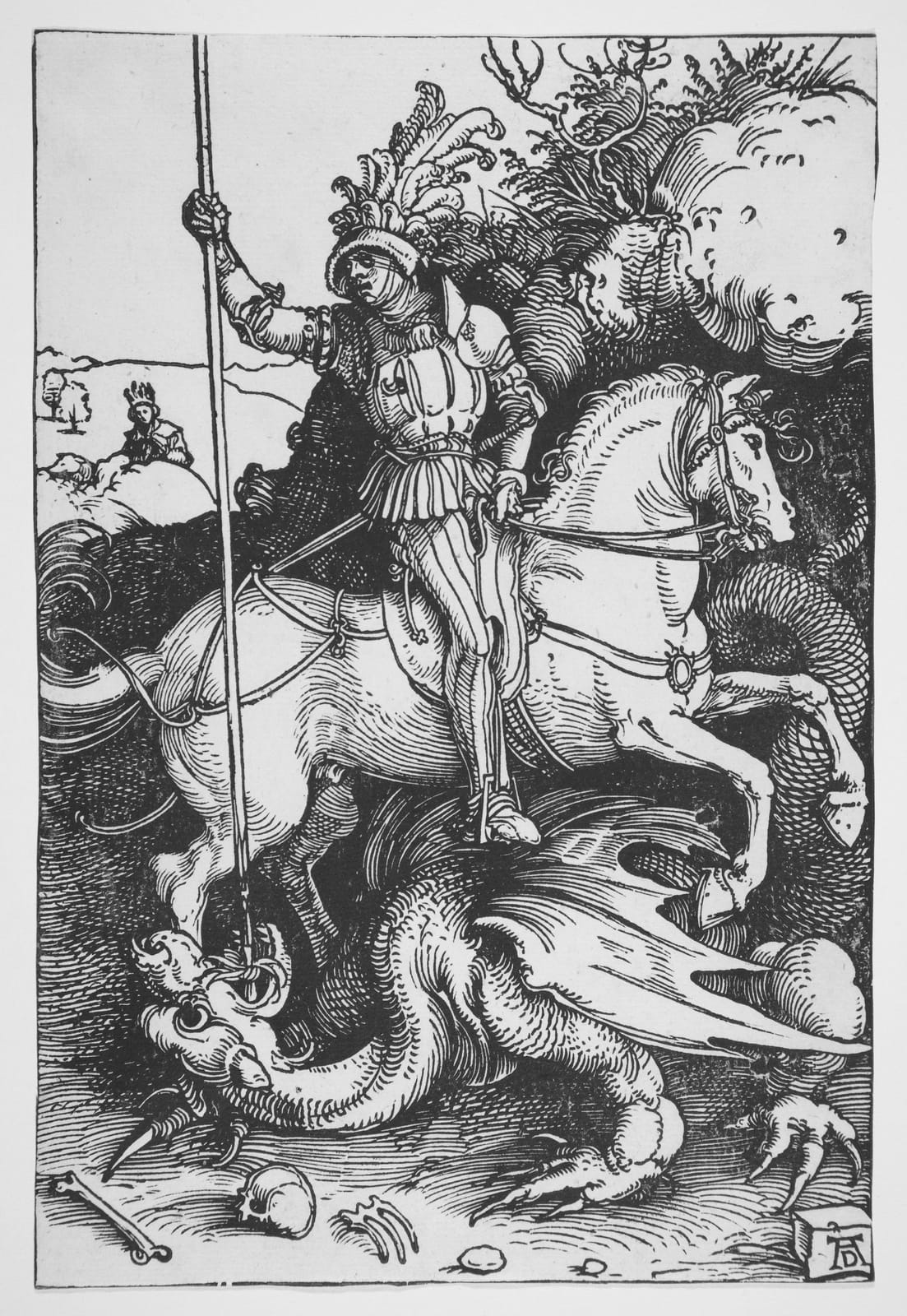
Saint George slaying the dragon
Albrecht Dürer (1471–1528), Saint George Slaying the Dragon, ca. 1504. Credits

Email view of this day