After Pentecost
September 15, 2021
A Double leads; St. Nicomedes is commemorated.Rubric
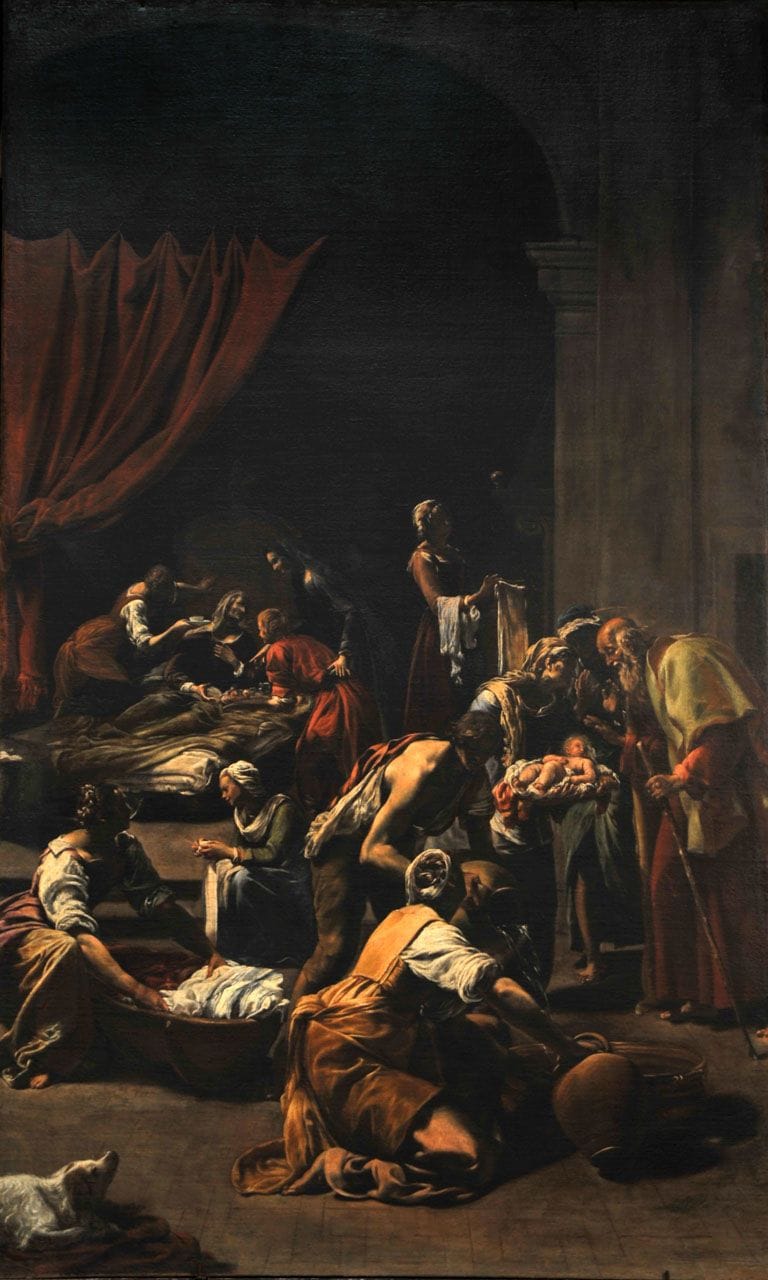
September 15: The Octave Day of the Nativity of the Blessed Virgin
From Dom Guéranger’s The Liturgical Year.
‘Praise and glory be to thee, O holy Trinity, who hast brought us all to this day’s solemnity. Praise be to thee also, O holy Mother of God, sceptre of the orthodox faith: through thee the cross triumphs, and man is called back to heaven; through thee the idols are overthrown, and the nations are brought to repentance.’ Such words as these, which the Church borrows from her doctors to close the bright octave, were doubtless sung in prophecy by the angels around the new-born babe Mary. And such, in the light of the ages since elapsed, must needs be our answer to the question so often repeated at the cradle side: What shall this child be?
The doctrine lately laid down so magisterially by the infallible successor of St. Peter, is this: Since the days of her mortal life, when Mary was, even in this world, truly the Mother of the Church, the Queen of the apostles and their mistress with regard to the divine oracles; but especially since she has received in heaven an almost infinite power for dispensing the fruits of redemption: the mighty helper of the Christian people, the restorer of the world, has not ceased to prove herself the impregnable rampart of the Church, the solid foundation of the faith, the fountain springing from God, whence the rivers of divine Wisdom pour out their pure waters, sweeping away heresy from all places.