This day

March 27, 2022

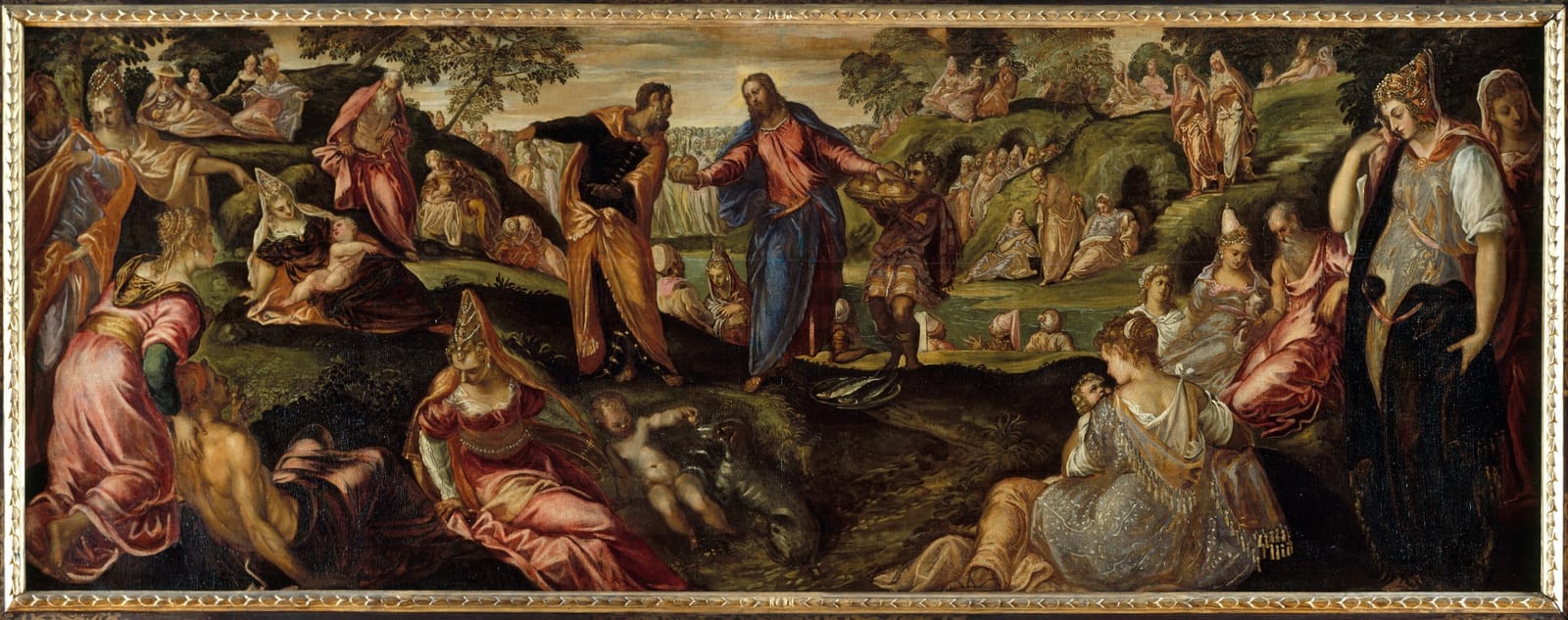
The Miracle of the Loaves and Fishes
The Miracle of the Loaves and Fishes, Tintoretto (1519–1594), c. 1545–1550. Credits

Lent

March 27, 2022

The Fourth Sunday of Lent

From Dom Guéranger’s The Liturgical Year.

This Sunday, called, from the first word of the Introit, Lætare Sunday, is one of the most solemn of the year. The Church interrupts her lenten mournfulness; the chants of the Mass speak of nothing but joy and consolation; the organ, which has been silent during the preceding three Sundays, now gives forth its melodious voice; the deacon resumes his dalmatic, and the subdeacon his tunic; and instead of purple, rose-coloured vestments are allowed to be used. These same rites were practised in Advent, on the third Sunday, called Gaudete. The Church’s motive for introducing this expression of joy into to-day’s liturgy is to encourage her children to persevere fervently to the end of this holy season. The real mid-Lent was last Thursday, as we have already observed; but the Church, fearing lest the joy might lead to some infringement on the spirit of penance, has deferred her own notice of it to this Sunday, when she not only permits, but even bids, her children to rejoice!

The Station at Rome is in the basilica of Holy Cross in Jerusalem, one of the seven principal churches of the holy city.
Chapter 1: The History of Lent

From Dom Guéranger’s The Liturgical Year.

The forty days’ fast, which we call Lent, is the Church’s preparation for Easter, and was instituted at the very commencement of Christianity. Our blessed Lord Himself sanctioned it by fasting forty days and forty nights in the desert; and though He would not impose it on the world by an express commandment (which, in that case, could not have been open to the power of dispensation), yet He showed plainly enough, by His own example, that fasting, which God had so frequently ordered in the old Law, was to be also practised by the children of the new.

The disciples of St. John the Baptist came, one day, to Jesus, and said to Him: ‘Why do we and the pharisees fast often, but Thy disciples do not fast?’And Jesus said to them: ‘Can the children of the Bridegroom mourn, as long as the Bridegroom is with them? But the days will come, when the Bridegroom shall be taken away from them, and then thev shall fast.

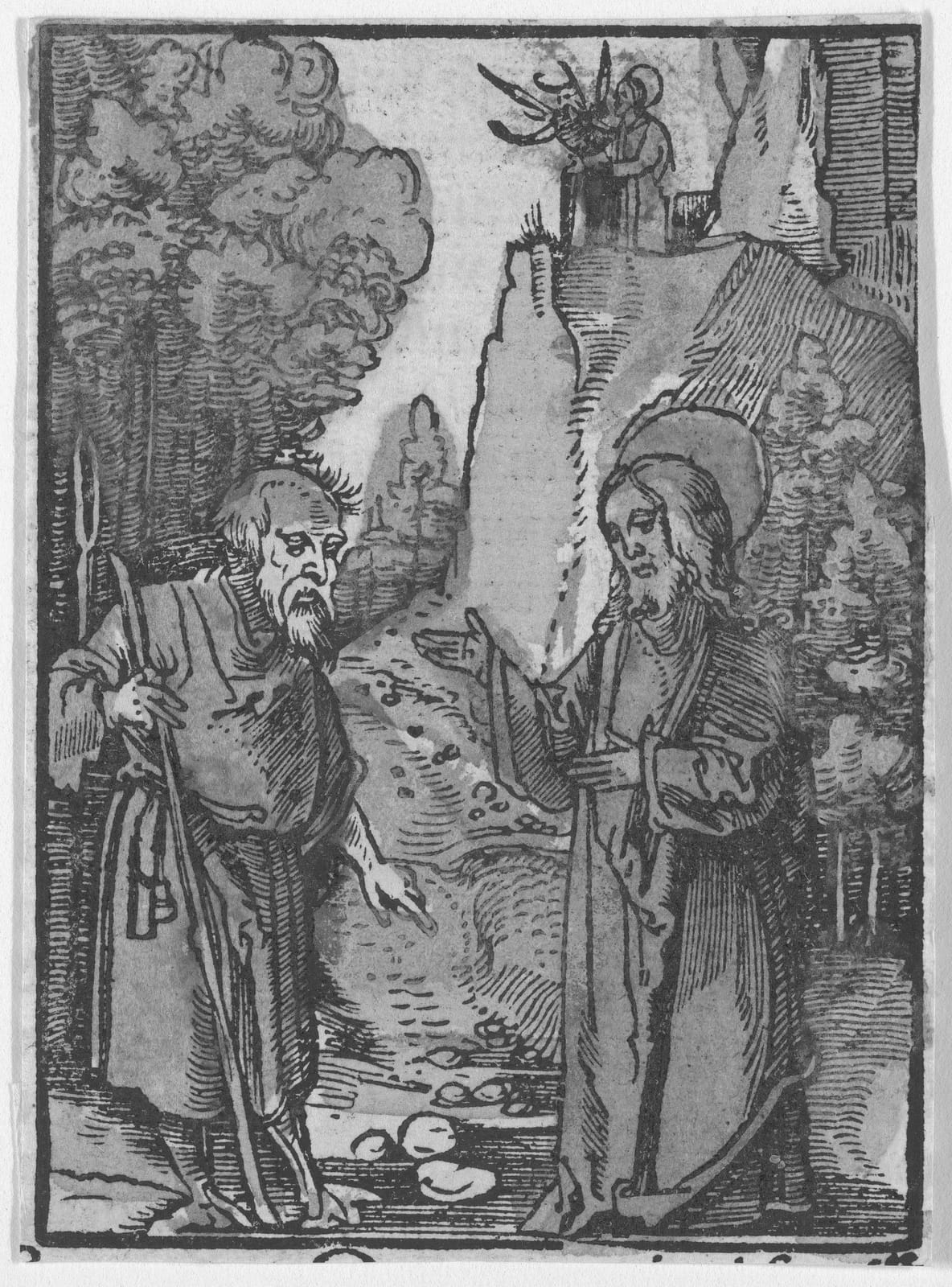
The Temptation of Christ in the wilderness
Hans Schäufelein (1480–1540), The Temptation of Christ, from Das Plenarium, 1517. Credits

Email view of this day