This day

May 14, 2022

Paschal Time

May 14, 2022

May 14: St. Boniface, Martyr

From Dom Guéranger’s The Liturgical Year.

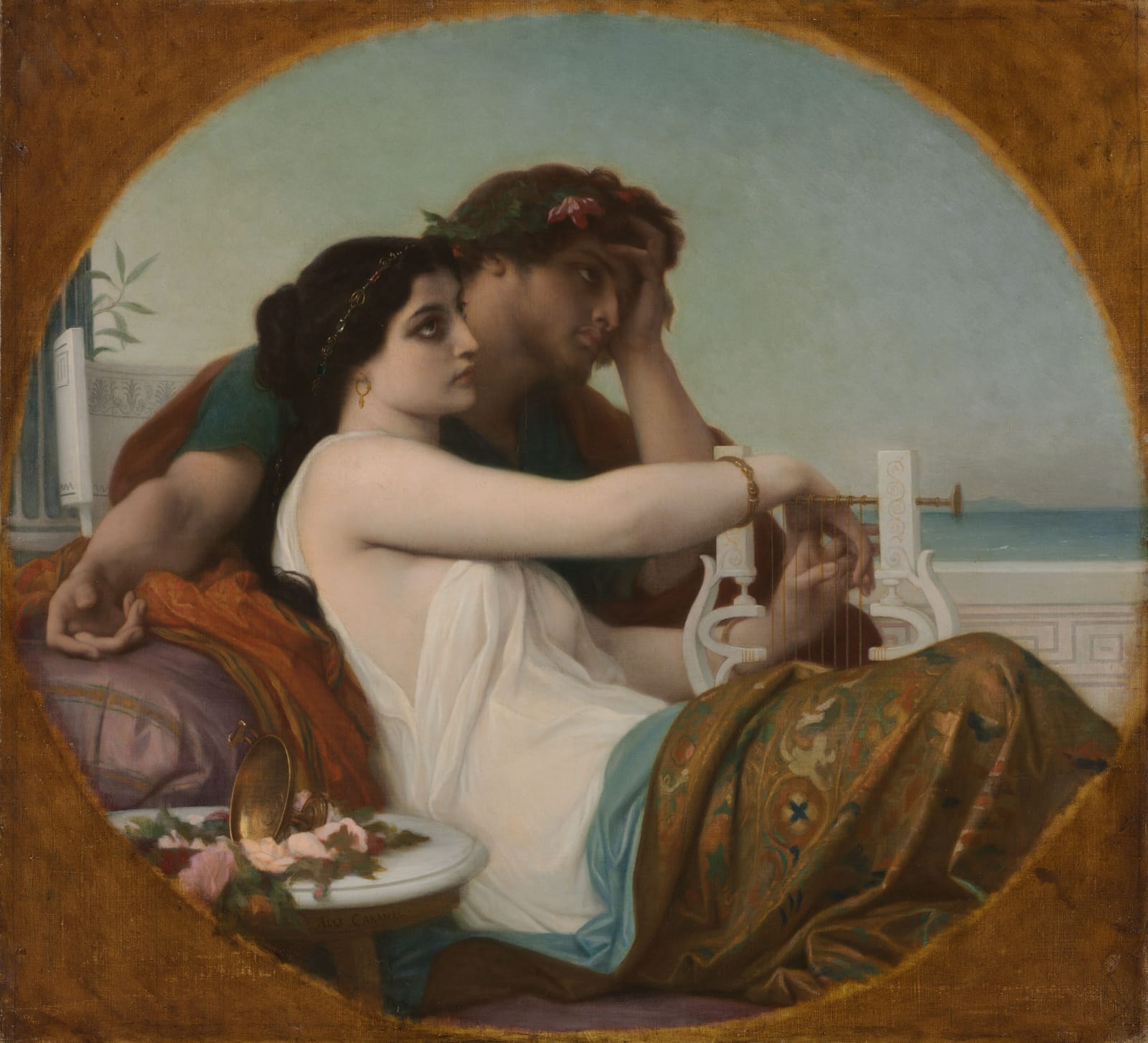
THE Apostle of the Gentiles, explaining the mystery of the Pasch, tells us that baptism is the sepulcher of our sins, and that we rise from it together with our Redeemer, having our souls radiant with the life of grace. Our holy faith teaches us that he who gives his life for Christ or his Church washes away in his own blood every stain from his soul, and rises to life everlasting: it is as though he received a second baptism, which reproduces all the effects belonging to the great sacrament of regeneration. We have to-day a sinner, who being purified by martyrdom and rebaptized in his own blood, is numbered among the privileged ones who share in the glory of our Risen Jesus. Boniface, by his immoralities, had scandalized the city where he lived; but his repentance was most complete. He longed to suffer the most cruel tortures for the love of the God he had offended, and thus make atonement for the sinful pleasures in which he had indulged. His wish was granted; suffering transformed him into the Saint whose feast is kept on this day, and whose virtues are a homage to the divine conqueror of sin and death.

Saturday of the Fourth Week after Easter

From Dom Guéranger’s The Liturgical Year.

℣. In thy resurrection, O Christ, alleluia.
℟. Let heaven and earth rejoice, alleluia.

SATURDAY brings us once more to the dear Mother of our Jesus. Last Saturday, when closing our week’s considerations upon the establishment of the Church, we reverently drew a parallel between these two Mothers—Mary and the Church. During the present week, we have been considering how our Saviour confided his doctrine—that is, the object of our faith—to his Apostles; let us devote this last day to a loving remembrance of the dogmas which Jesus revealed to them regarding the dignity and office of her whom he chose for his own and our Mother.

Holy Church teaches us several truths concerning Mary; and these truths are the object of our faith, on the same ground as the other articles contained in the Catholic Creed. Now they could not be the object of our faith, except inasmuch as they were revealed by the lips of our divine Lord himself. The Church of our days has received them from the Church of past ages, just as this last named received them from the Apostles, to whom Jesus first confided them.

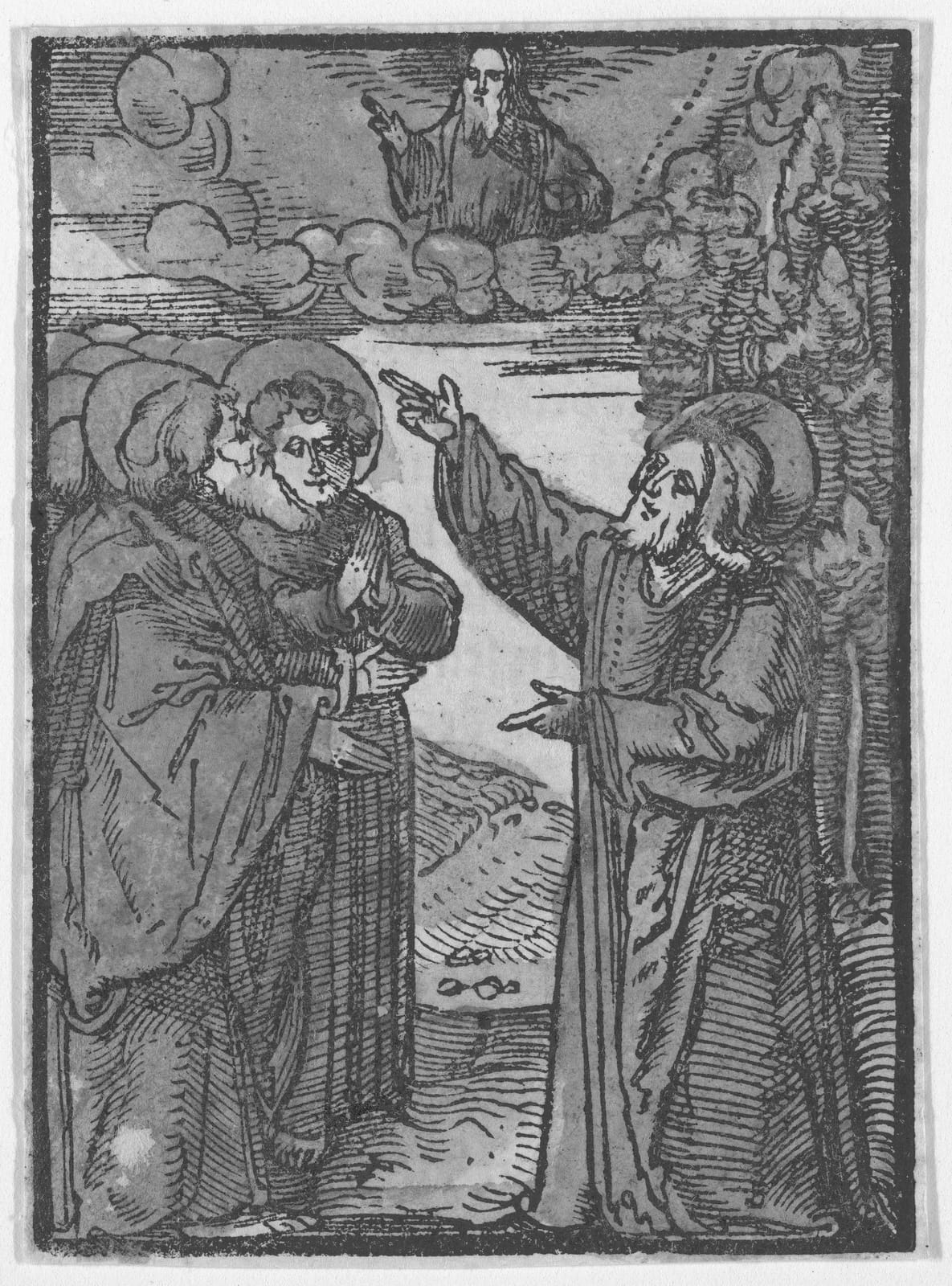
Christ appearing in the clouds as He speaks to the apostles of His return to the Father
Hans Schäufelein (1480–1540), Christ Talking about his Return to the Father, from Das Plenarium, 1517. Credits

Email view of this day