This day

July 2, 2022

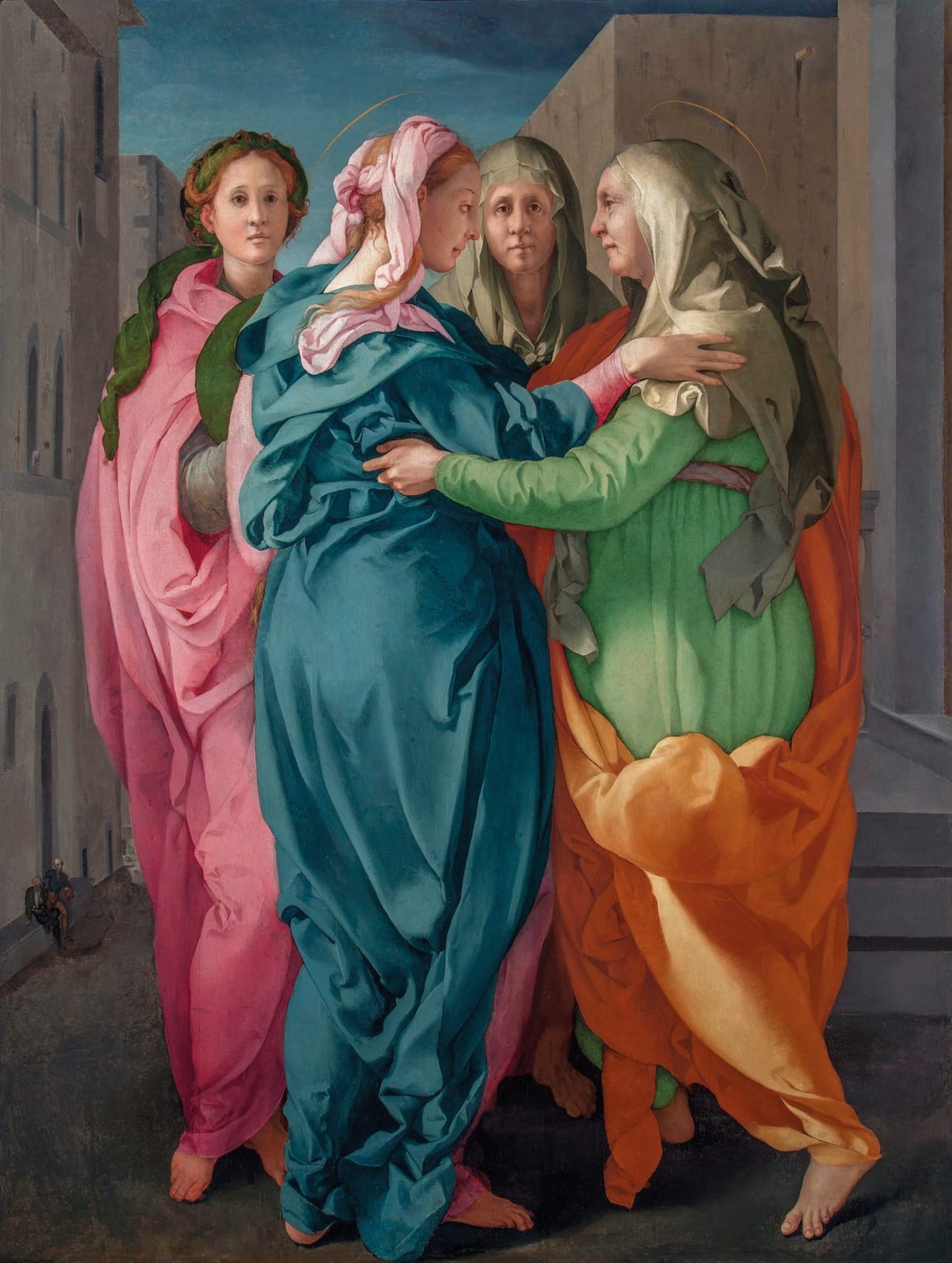
The Visitation
The Visitation, Pontormo, c. 1528–1529. Credits

After Pentecost

July 2, 2022

A Double of the II Class leads; Sts. Processus and Martinianus are commemorated.Rubric

July 2: The Visitation of the Blessed Virgin Mary

From Dom Guéranger’s The Liturgical Year.

OUR Lady's visit to her cousin Elizabeth already engaged our attention whilst we were preparing for the Christmas festival. But it is only fitting to return again to an event so important in our Lady’s life; the mere commemoration of this mystery made on Ember Friday in Advent would be insufficient to bring forward all it contains of deep teaching and holy joy. Since in the course of centuries the holy liturgy has been gaining more and more completeness, it is but natural that this precious mine should come to be further opened in honour of the Virgin Mother. The Order of St Francis, it would seem, as well as certain particular churches, such as Rheims and Paris for example—had already taken the initiative, when Urban VI, in 1389, instituted to-day's solemnity. The Pope counselled a fast on the vigil of the feast, and ordered that it should be followed by an octave; he granted for its celebration the same indulgences as Urban IV had, in the previous century, attached to the festival of Corpus Christi. The Bull of promulgation, stopped by the Pontiff's death, was again taken up and published by Boniface IX, his successor on the Chair of Peter.
Chapter 2: The Mystery of the Time after Pentecost

From Dom Guéranger’s The Liturgical Year.

That we may thoroughly understand the meaning and influence of the season of the liturgical year upon which we have now entered, it is requisite for us to grasp the entire sequel of mysteries, which holy Church has celebrated in our presence and company; we have witnessed her services, and we have shared in them. The celebration of those mysteries was not an empty pageant, acted for the sake of being looked at. Each one of them brought with it a special grace, which produced in our souls the reality signified by the rites of the liturgy. At Christmas Christ was born within us; at Passiontide He passed on and into us His sufferings and atonements; at Easter He communicated to us His glorious, His untrammelled life; in His Ascension He drew us after Him, and this even to heaven’s summit; in a word, as the apostle expresses all this working, ‘Christ was formed in us.’

But, in order to give solidity and permanence to the image of Christ formed within us, it was necessary that the Holy Ghost should come, that so He might increase our light, and enkindle a fire within us that should never be quenched.

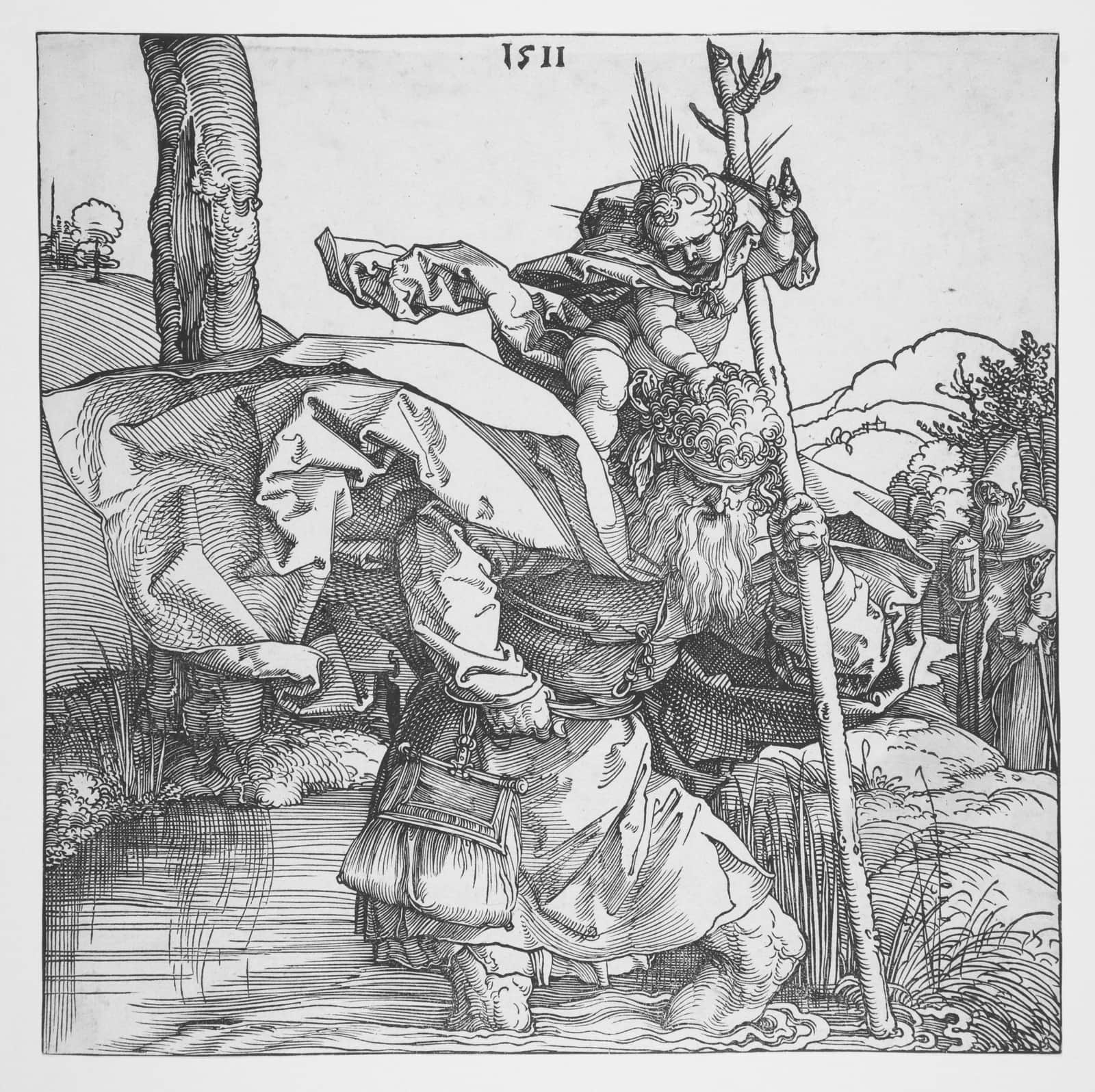
Saint Christopher carrying the Christ Child across the river
Albrecht Dürer (1471–1528), Saint Christopher, 1511. Credits

Email view of this day