This day

July 16, 2022

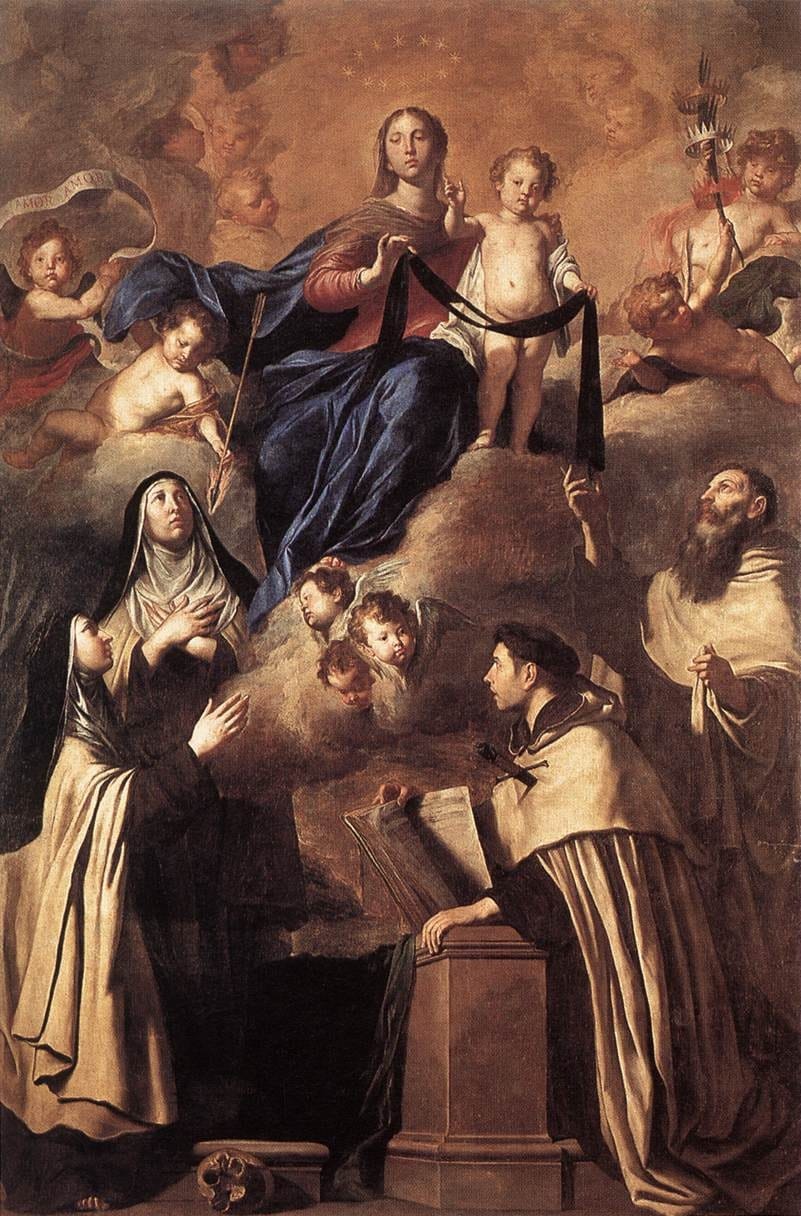
Our Lady of Mount Carmel with Child and scapular; Carmelite saints below
Our Lady of Mount Carmel, Pietro Novelli (1603–1647). Credits

After Pentecost

July 16, 2022

July 16: Our Lady of Mount Carmel

From Dom Guéranger’s The Liturgical Year.

TOWERING over the waves on the shore of the Holy Land, Mount Carmel, together with the short range of the same name, forms a connecting link to two other chains, abounding with glorious memories, namely: the mountains of Galilee on the north, and those of Judea on the south.

‘In the day of My love, I brought thee out of Egypt into the land of Carmel,’ said the Lord to the daughter of Sion, taking the name of Carmel to represent all the blessings of the Promised Land; and when the crimes of the chosen people were about to bring Judea to ruin, the prophet cried out: ‘I looked, and behold Carmel was a wilderness: and all its cities were destroyed at the presence of the Lord, and at the presence of the wrath of His indignation.’ But from the midst of the Gentile world a new Sion arose, more loved than the first; eight centuries beforehand Isaias recognized her by the glory of Libanus, and the beauty of Carmel and Saron which were given her. In the sacred Canticle, also, the attendants of the Bride sing to the Spouse concerning His well-beloved, that her head is like Carmel, and her hair like the precious threads of royal purple carefully woven and dyed.

This week's Sunday: The Fifth Sunday after Pentecost

From Dom Guéranger’s The Liturgical Year.

This Sunday, which, with the Greeks, is called the fifth of St. Matthew, was known by the Latins as the Sunday of the fishing; such was its name up to the time when the Church transferred to the previous Sunday the Gospel which suggested that title. The week which it commences is, in some ancient lectionaries, called the 'first after the feast of the apostles' or of St. Peter; in others it is the second or third after the same feast; these, and similar varieties of names, which it is no rare thing to find in the liturgical books of the Middle Ages, are due to the fact that Easter was kept earlier or later in the years when those books were written.

The Church began last night the reading of the second Book of Kings, which opens with the description of Saul's sad end and David's accession to the throne of Israel. The exaltation of Jesse’s son is the climax to the prophetic life of the ancient people. In David God had found His faithful servant, and He resolved to exhibit him to the world as the most perfect figure of the future Messiah.

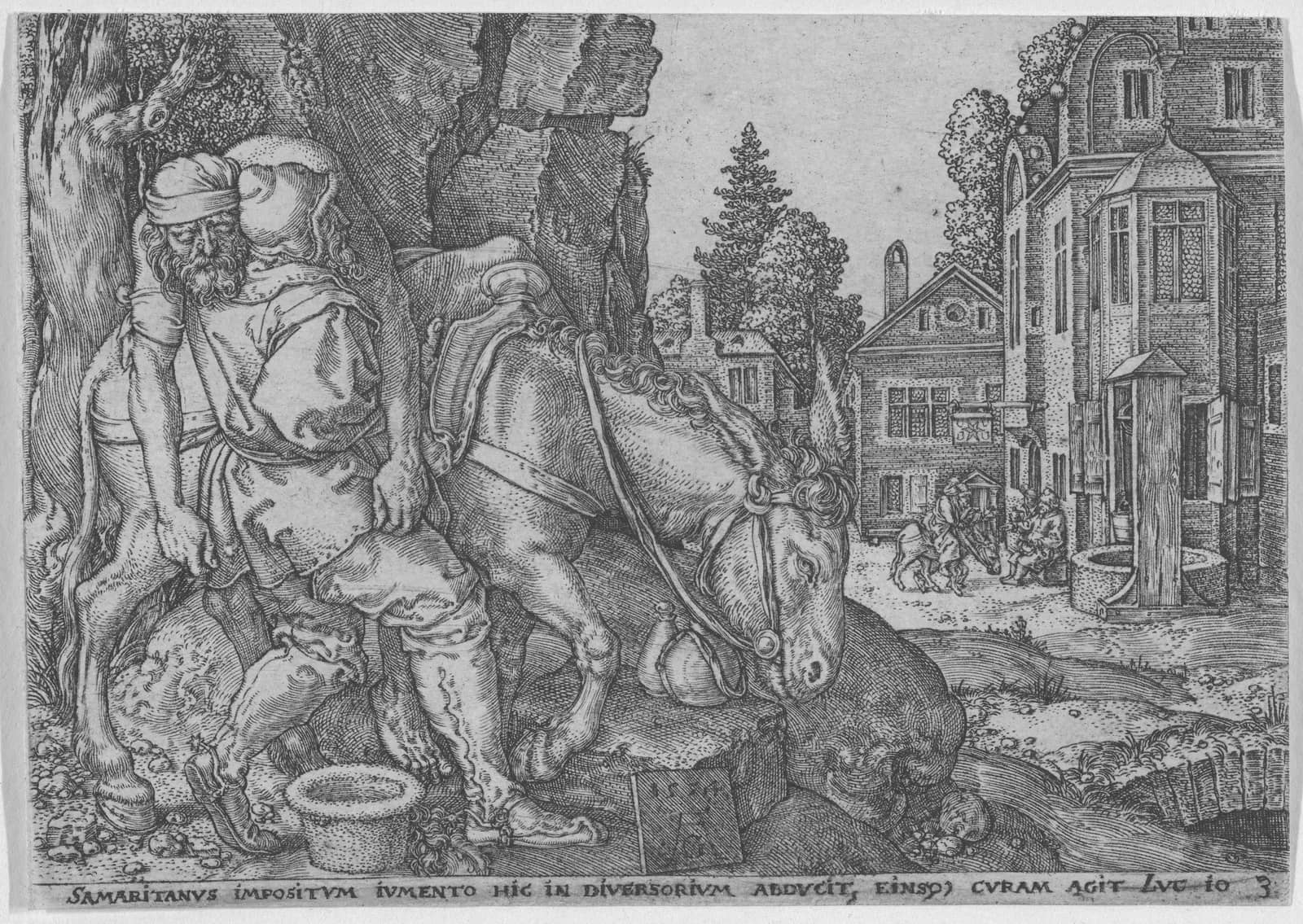
The Good Samaritan helping the wounded traveler onto his beast
Heinrich Aldegrever (1502–1561), The Good Samaritan Putting the Traveller on His Donkey, from "The Parable of the Good Samaritan", 1554. Credits

Email view of this day