After Pentecost
August 10, 2022
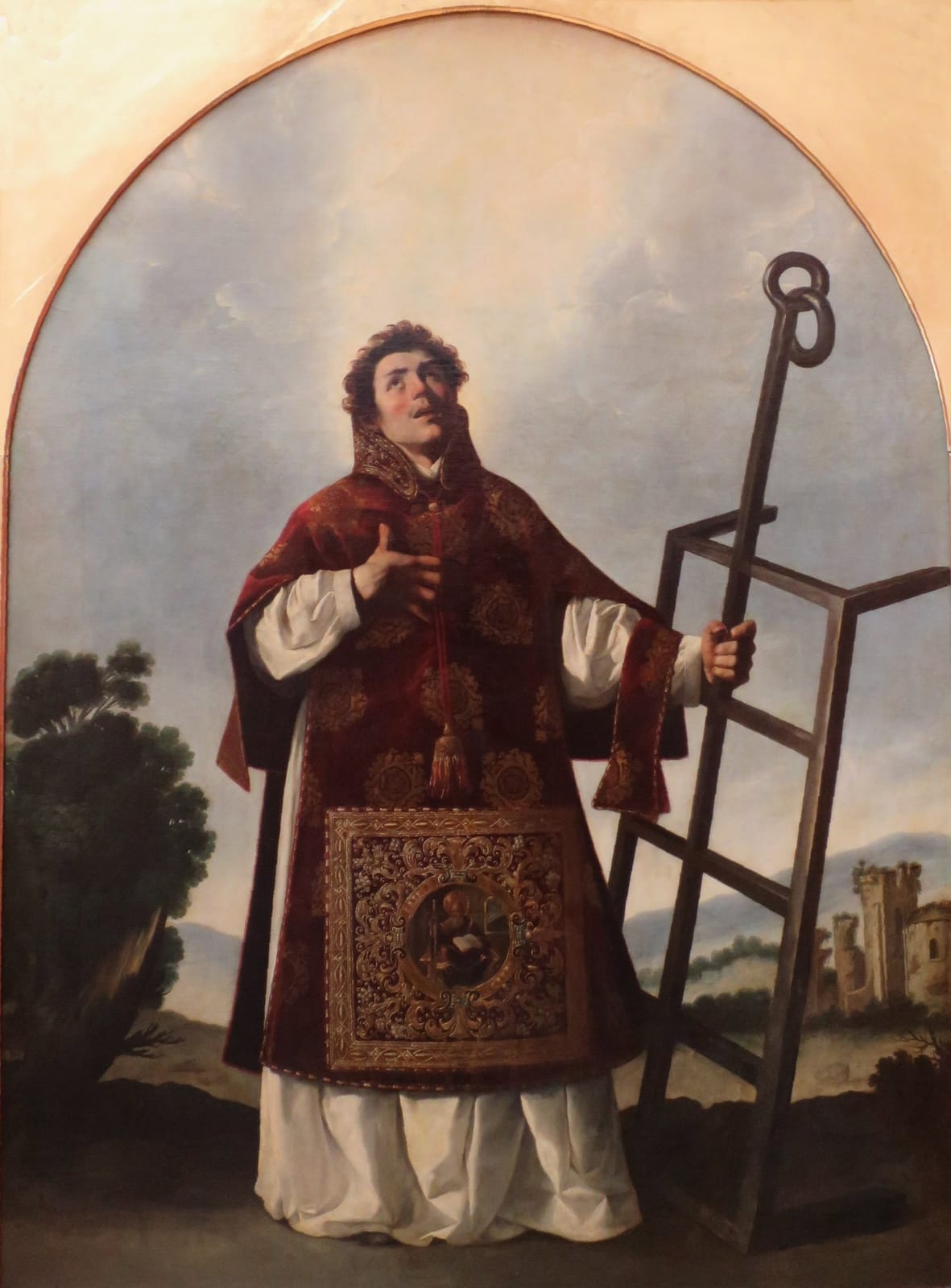
August 10: St. Laurence, Deacon and Martyr
From Dom Guéranger’s The Liturgical Year.
‘ONCE the mother of false gods, but now the bride of Christ, O Rome, it is through Laurence thou art victorious! Thou hast conquered haughty monarchs and subjected nations to thine empire; but though thou hadst overcome barbarism, thy glory was incomplete till thou hadst vanquished the unclean idols. This was Laurence's victory, a combat bloody yet not tumultuous like those of Camillus or of Cæsar; it was the contest of faith, wherein self is immolated, and death is overcome by death. What words, what praises suffice to celebrate such a death? How can I worthily sing so great a martyrdom?'
Thus opens the sublime poem of Prudentius, composed little more than a century after the saint's martyrdom. In this work the poet has preserved to us the traditions existing in his own day, whereby the name of the Roman deacon was rendered so illustrious. About the same time St. Ambrose, with his irresistible eloquence, described the meeting of Sixtus and his deacon on the way to martyrdom. But, before both Ambrose and Prudentius, Pope St. Damasus chronicled the victory of Laurence's faith, in his majestic monumental inscriptions, which have such a ring of the days of triumph.