This day

August 23, 2022

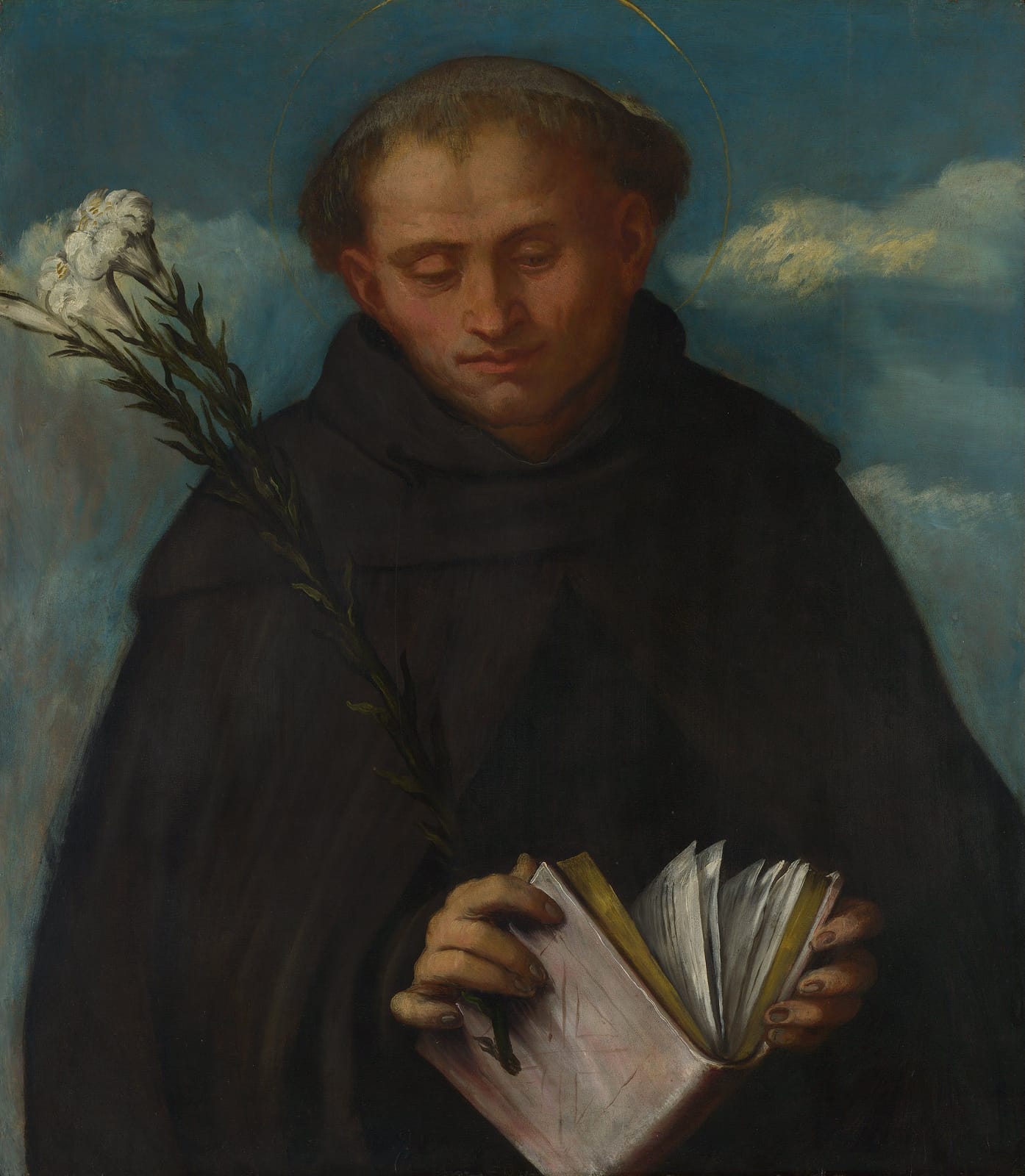
Saint Filippo Benizzi
Saint Filippo Benizzi, Girolamo Romanino (1485–1562), 1524. Credits

After Pentecost

August 23, 2022

August 23: St. Philip Benizi, Confessor

From Dom Guéranger’s The Liturgical Year.

OUR Lady is now reigning in heaven. Her triumph over death cost her no labour; and yet it was through suffering that she like Jesus entered into her glory. We too cannot attain eternal happiness otherwise than did the Son and the Mother. Let us keep in mind the sweet joys we have been tasting during the past week; but let us not forget that our own journey to heaven is not yet completed. ‘Why stand ye looking up into heaven?’ said the angels to the disciples on Ascension day, in the name of the Lord who had gone up in a cloud; for the disciples, who had for an instant beheld the threshold of heaven, could not resign themselves to turn their eyes once more down to this valley of exile. Mary, in her turn, sends us a message to-day from the bright land whither we are to follow her, and where we shall surround her after having in the sorrows of exile merited to form her court: without distractiug us from her, the apostle of her dolours, Philip Benizi, reminds us of our true condition of strangers and pilgrims upon earth.

This week's Sunday: The Eleventh Sunday after Pentecost

From Dom Guéranger’s The Liturgical Year.

With the Greeks, this Sunday—their eleventh of Saint Matthew—is called the Parable of the King, who calls his servants to account. In the western Church, it has gone under the name of Sunday of the deaf and dumb, ever since the Gospel of the pharisee and the publican has been assigned to the tenth. To-day's Mass, as we now have it, still gives evidence as to what was its ancient arrangement. Our commentary on to-day's liturgy will show us this very plainly.

In the years when Easter falls nearest to March 21 the Books of Kings are continued as lessons of Matins up to, but never beyond, this Sunday. The sickness of the good king Ezechias, and the miraculous cure he obtained by his prayers and tears, are then the subject of the first lessons of the night-Office.

The learned and pious Abbot Rupert, writing on this Sunday's Mass previous to the change made in the order of the Gospel lessons, thus explains the Church's reason for selecting the following Introit: ‘The publican in the Gospel accuses himself, saying: “I am not worthy to lift up mine eyes to heaven.”

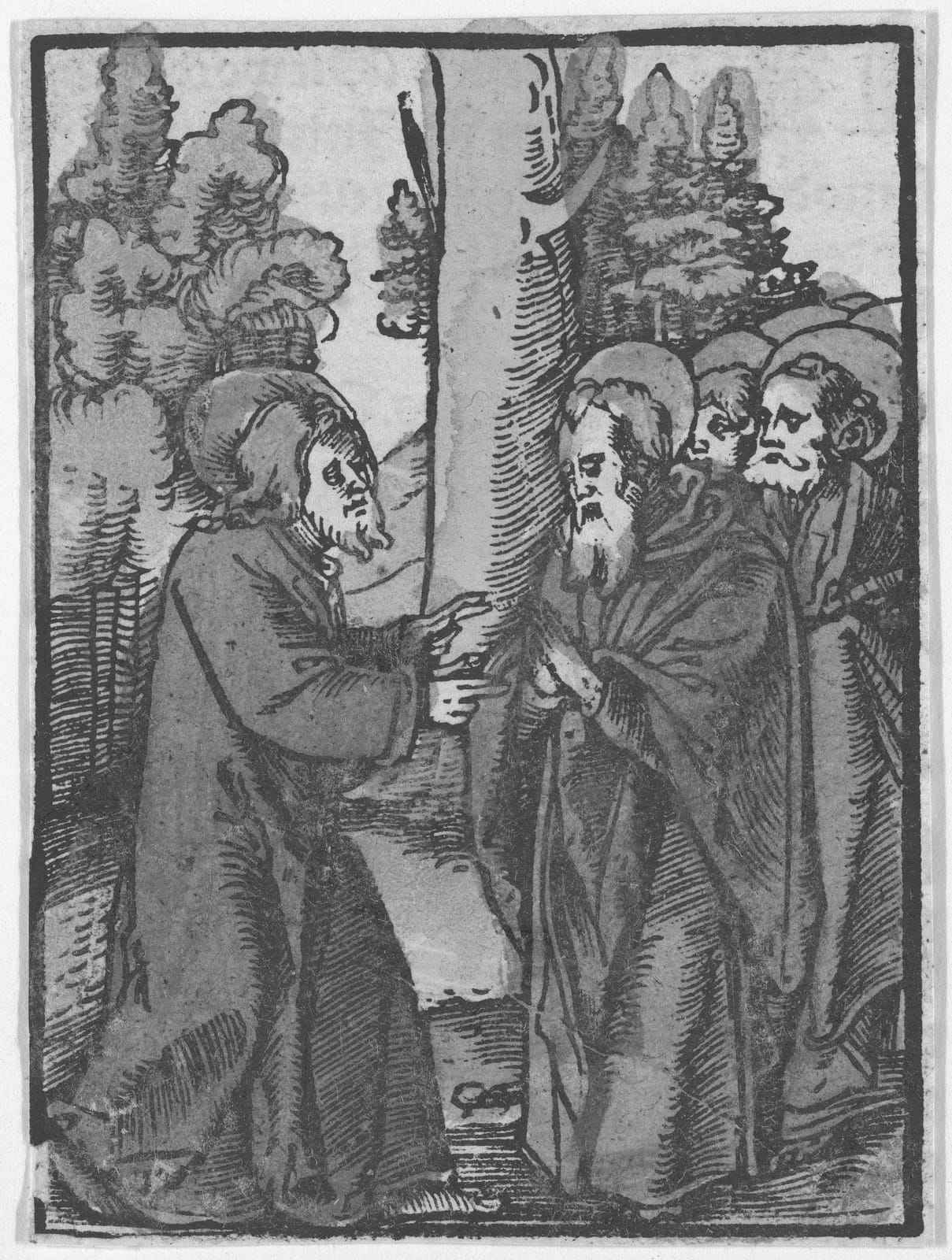
Christ teaching the disciples
Hans Schäufelein (1480–1540), Christ Teaching the Disciples, from Das Plenarium, 1517. Credits

Email view of this day