This day

August 31, 2022

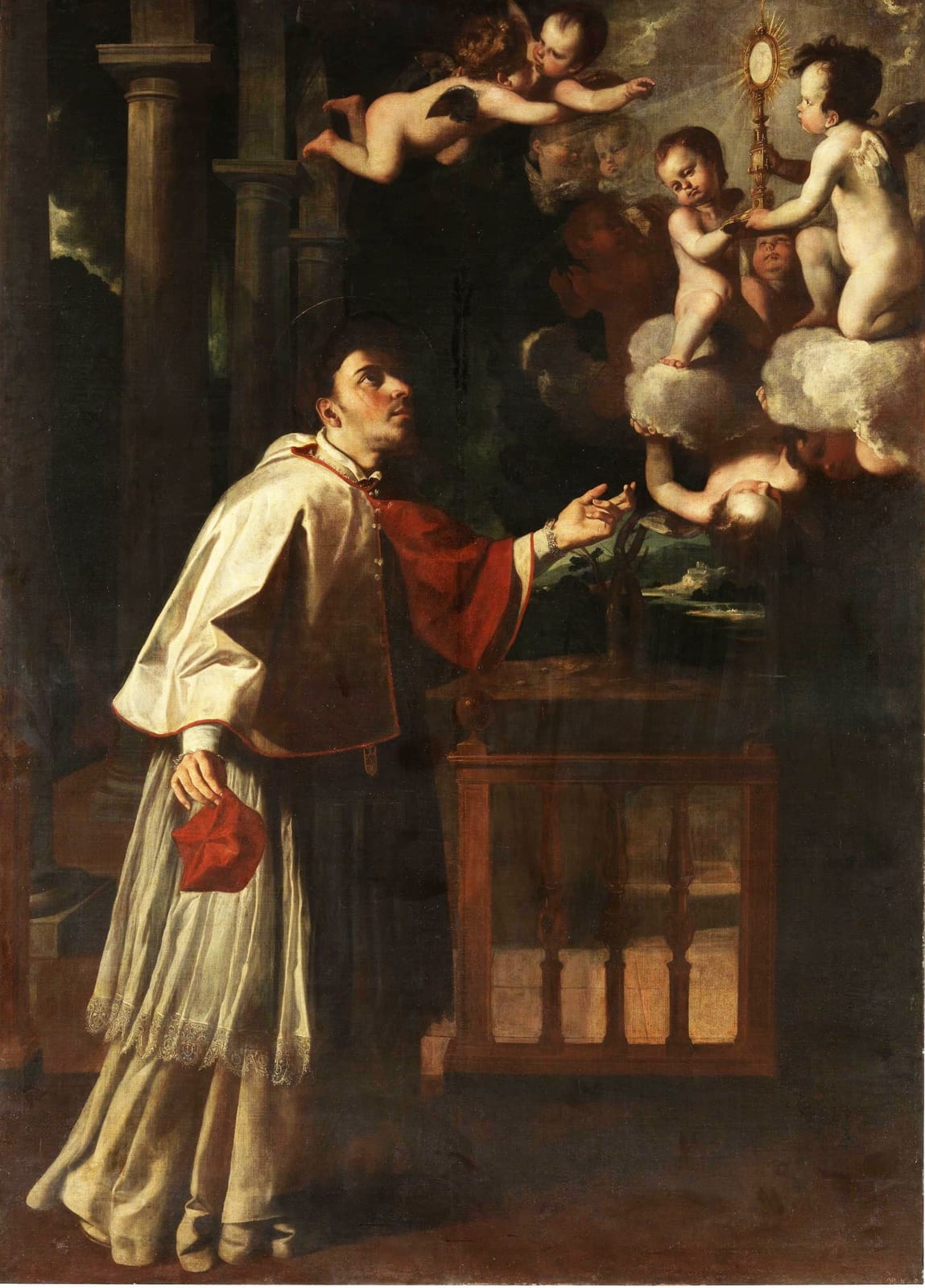
Saint Raymond Nonnatus
Saint Raymond Nonnatus, Jerónimo Jacinto de Espinosa (1600–1667), 17th century. Credits

After Pentecost

August 31, 2022

August 31: St. Raymund Nonnatus, Confessor

From Dom Guéranger’s The Liturgical Year.

August closes as it began, with a feast of deliverance; as though that were the divine seal set by eternal Wisdom upon this month—the month when holy Church makes the works and ways of divine Wisdom the special object of her contemplation.

Upon the fall of our first parents and their expulsion from paradise, the Word and Wisdom of God, that is, the second Person of the blessed Trinity, began the great work of our deliverance—that magnificent work of human redemption which, by an all-gracious, eternal decree of the three divine Persons, was to be wrought out by the Son of God in our flesh. And as that blessed Saviour, in His infinite wisdom, made spontaneous choice of sorrows, of sufferings, and of death on a cross, as the best means of our redemption, so has He always allotted to His best loved friends, the kind of life which He had deliberately chosen for Himself, that is, the way of the cross. And the nearest and dearest to Him were those who were predestined, like His blessed Mother, the Mater Dolorosa, to have the honour of being most like Himself, the Man of sorrows.

This week's Sunday: The Twelfth Sunday after Pentecost

From Dom Guéranger’s The Liturgical Year.

On this Sunday, which is their twelfth of Saint Matthew, the Greeks read in the Mass the episode of the young rich man who questions Jesus, given in the nineteenth chapter of the Saint’s Gospel. In the west, it is the Gospel of the Good Samaritan which gives its name to this twelfth Sunday after Pentecost.

The Introit begins with that beautiful verse of Psalm lxix.: 'Come to mine assistance, O God! O Lord, make haste to help me!’ Cassian, in his tenth Conference, has admirably drawn out the beauty of these words, and shows how they are appropriate for every circumstance of life, and how fully they respond to every sentiment of the Christian soul. Durandus applies this Introit to Job, because the lessons for the Divine Office, which are taken from that Book of Scripture, sometimes, though not often, coincide with this Sunday. Rupert looks on this Introit as the fitting prayer of the deaf and dumb man, whose cure was the subject of our reflexions this day last week.

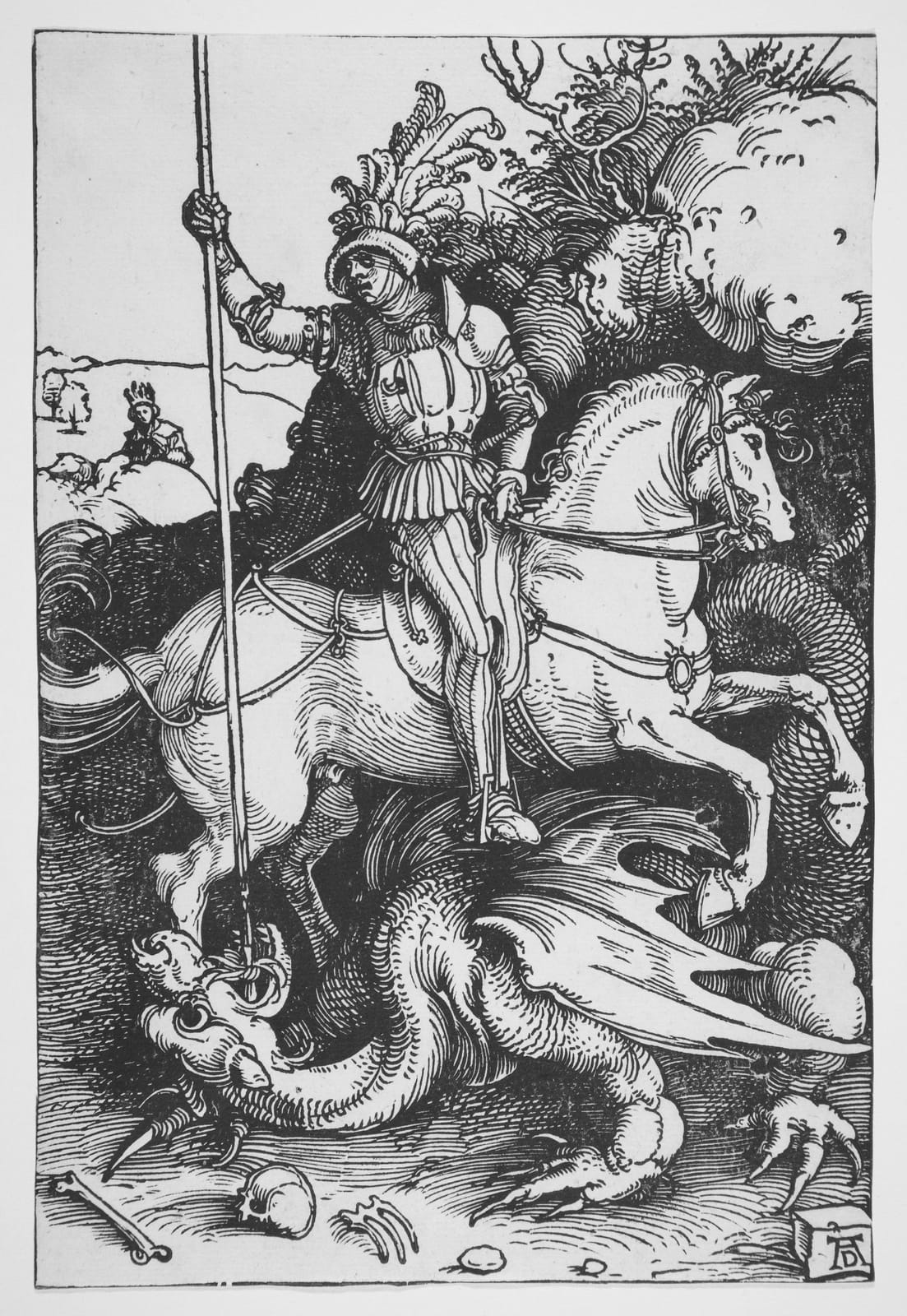
Saint George slaying the dragon
Albrecht Dürer (1471–1528), Saint George Slaying the Dragon, ca. 1504. Credits

Email view of this day