This day

September 20, 2022

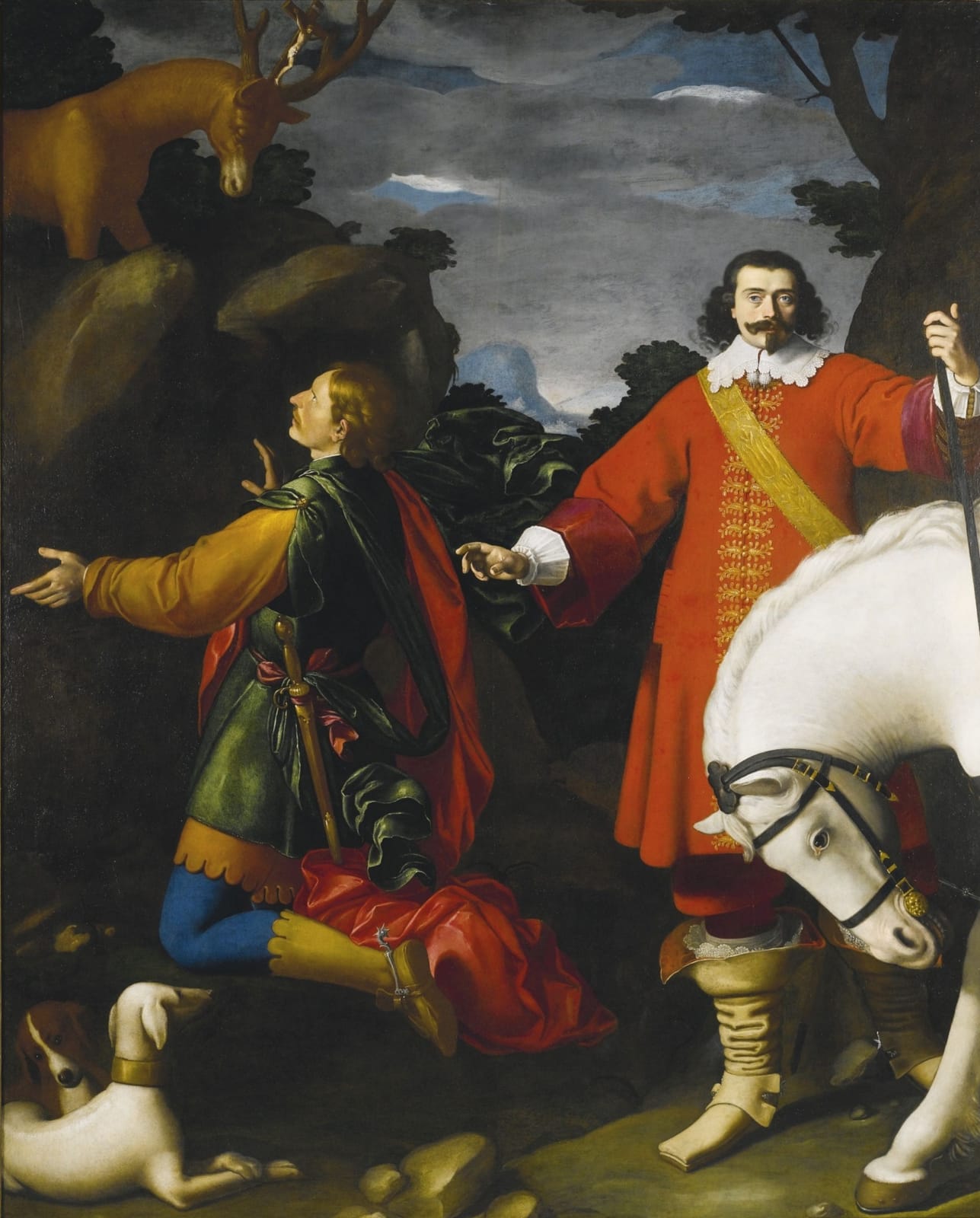
The Vision of Saint Eustace, with a Portrait of the Donor beside his Horse
The Vision of Saint Eustace, with a Portrait of the Donor beside his Horse, Carlo Ceresa (1609–1679), c. 1640. Credits

After Pentecost

September 20, 2022

September 20: St. Eustace and His Companions, Martyrs

From Dom Guéranger’s The Liturgical Year.

The twentieth of September marks one of the saddest events in history. At the height of her power, in the glorious days of Pepin and Charlemagne, the eldest daughter of the Church had crowned her mother; and the Church, in the person of her Head, reigned in reality, as well as by right, until, a thousand years later, satan took advantage of the fallen state of France to despoil Peter of the patrimony which ensured his independence. The holy cross is still shedding its rays upon us!

To-day a group of martyrs, and this time a whole family, father, mother, and sons, take up their position around the standard of salvation. While the antiquity of their cultus in both east and west rests on the best authority, the details of their life are extremely vague. Could Placid the tribune, whose exploits are recorded by Josephus in his Wars of the Jews, be the same as the Eustace we are celebrating to-day? Does the genealogy of our saint connect him with the Octavia family, from which Augustus sprang? Again are we to recognize as his direct descendant the noble Tertullus, who confided to St. Benedict his son Placid, the favourite child of the holy patriarch, and the proto-martyr of the Benedictine Order?
Chapter 2: The Mystery of the Time after Pentecost

From Dom Guéranger’s The Liturgical Year.

That we may thoroughly understand the meaning and influence of the season of the liturgical year upon which we have now entered, it is requisite for us to grasp the entire sequel of mysteries, which holy Church has celebrated in our presence and company; we have witnessed her services, and we have shared in them. The celebration of those mysteries was not an empty pageant, acted for the sake of being looked at. Each one of them brought with it a special grace, which produced in our souls the reality signified by the rites of the liturgy. At Christmas Christ was born within us; at Passiontide He passed on and into us His sufferings and atonements; at Easter He communicated to us His glorious, His untrammelled life; in His Ascension He drew us after Him, and this even to heaven’s summit; in a word, as the apostle expresses all this working, ‘Christ was formed in us.’

But, in order to give solidity and permanence to the image of Christ formed within us, it was necessary that the Holy Ghost should come, that so He might increase our light, and enkindle a fire within us that should never be quenched.

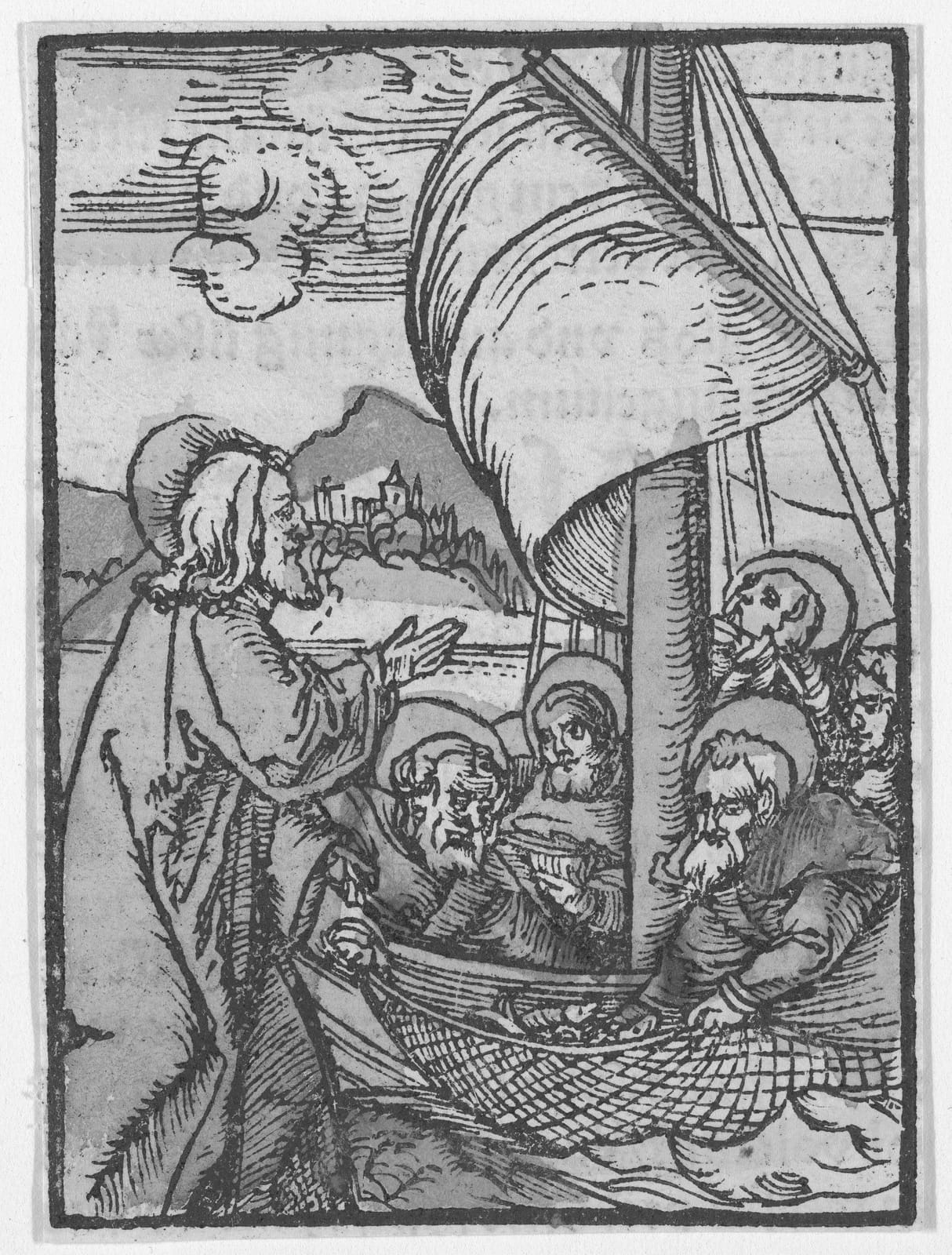
Peter hauling in a second draught of fishes
Hans Schäufelein (1480–1540), The Second Draught of Fishes by Saint Peter, from Das Plenarium, 1517. Credits

Email view of this day