This day

September 22, 2022

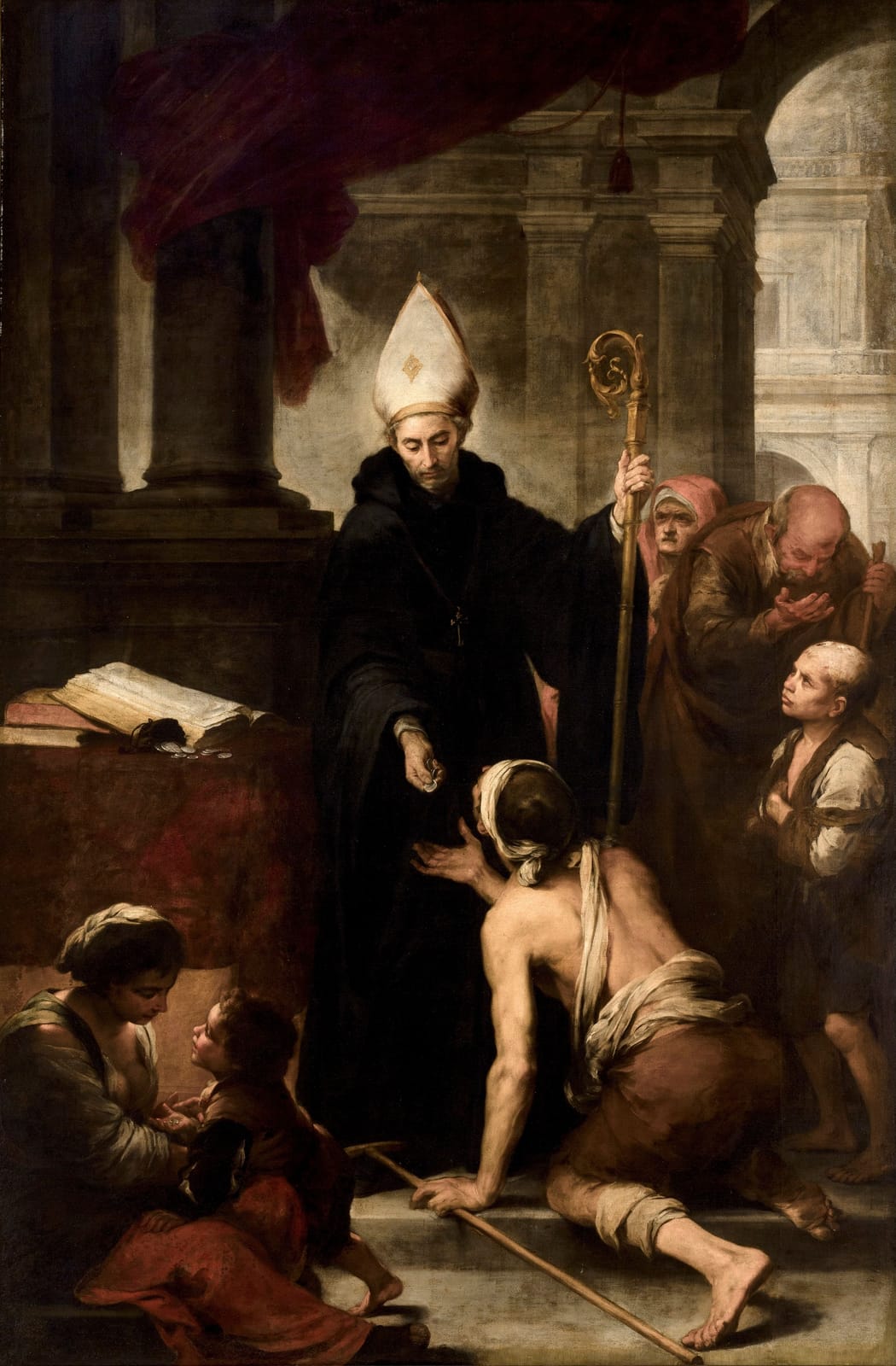
Saint Thomas of Villanueva Giving Alms
Saint Thomas of Villanueva Giving Alms, Bartolomé Esteban Murillo (1617–1682), c. 1668–1669. Credits

After Pentecost

September 22, 2022

A Double leads; St. Maurice and his Companions are commemorated.Rubric

September 22: St. Thomas of Villanova, Bishop and Confessor

From Dom Guéranger’s The Liturgical Year.

In 1517 a cruel blow fell upon the great Augustinian family; Luther, one of its members, raised the cry of revolt which was to be echoed for centuries by every passion. But the illustrious Order, which had unwittingly nurtured this child of evil, was none the less acceptable to God; and He deigned, before long, to demonstrate this, for the consolation of institutes whose very excellence exposes unworthy subjects to more dangerous falls. It was at the First Vespers of All Saints that Luther broached, at Wittenburg, his famous theses against indulgences and the authority of the Roman Pontiff; within a month, on November 25 of the same year, Thomas of Villanova pronounced his vows at Salamanca, and filled up the place left vacant by the heresiarch. Amid the storms of social disorder, and the noise of the world’s disturbances, the glory rendered by one saint to the ever-tranquil Trinity, outweighs all the insults and blasphemies of hell.

Let us bear all this in mind as we read the following lessons.

Thomas in oppido Fontisplani Toletanæ diœceseos in Hispania natus anno Domini millesimo quadringentesimo octogesimo oetavo, ab optimis parentibus ineunte vita pietatem et singularem in pauperes misericordiam accepit: cujus adhuc puer complura dedit exempla; sod illud in primis nobile, quod ut nudos operiret, propriis vestibus non semel seipsum exuit.
Chapter 3: The Practice for the Time after Pentecost

From Dom Guéranger’s The Liturgical Year.

The object which the Church has in view by her liturgical year is the leading of the Christian soul to union with Christ, and this by the Holy Ghost. This object is the one which God Himself has in giving us His own Son to be our mediator, our teacher, and our Redeemer, and in sending us the Holy Ghost to abide among us. To this end is directed all that aggregate of rites and prayers which we have hitherto explained: they are not a mere commemoration of the mysteries achieved for our salvation by the divine goodness, but they bring with them the graces corresponding to each of those mysteries; that thus we may come, as the apostle expresses it, ‘to the age of the fullness of Christ.’

As we have elsewhere explained, our sharing in the mysteries of Christ, which are celebrated in the liturgical year, produces in the Christian what is called in mystic theology the illuminative life, in which the soul gains continually more and more of the light of the Incarnate Word, who, by His examples and teachings, renovates each one of her faculties, and imparts to her the habit of seeing all things from God’s point of view.

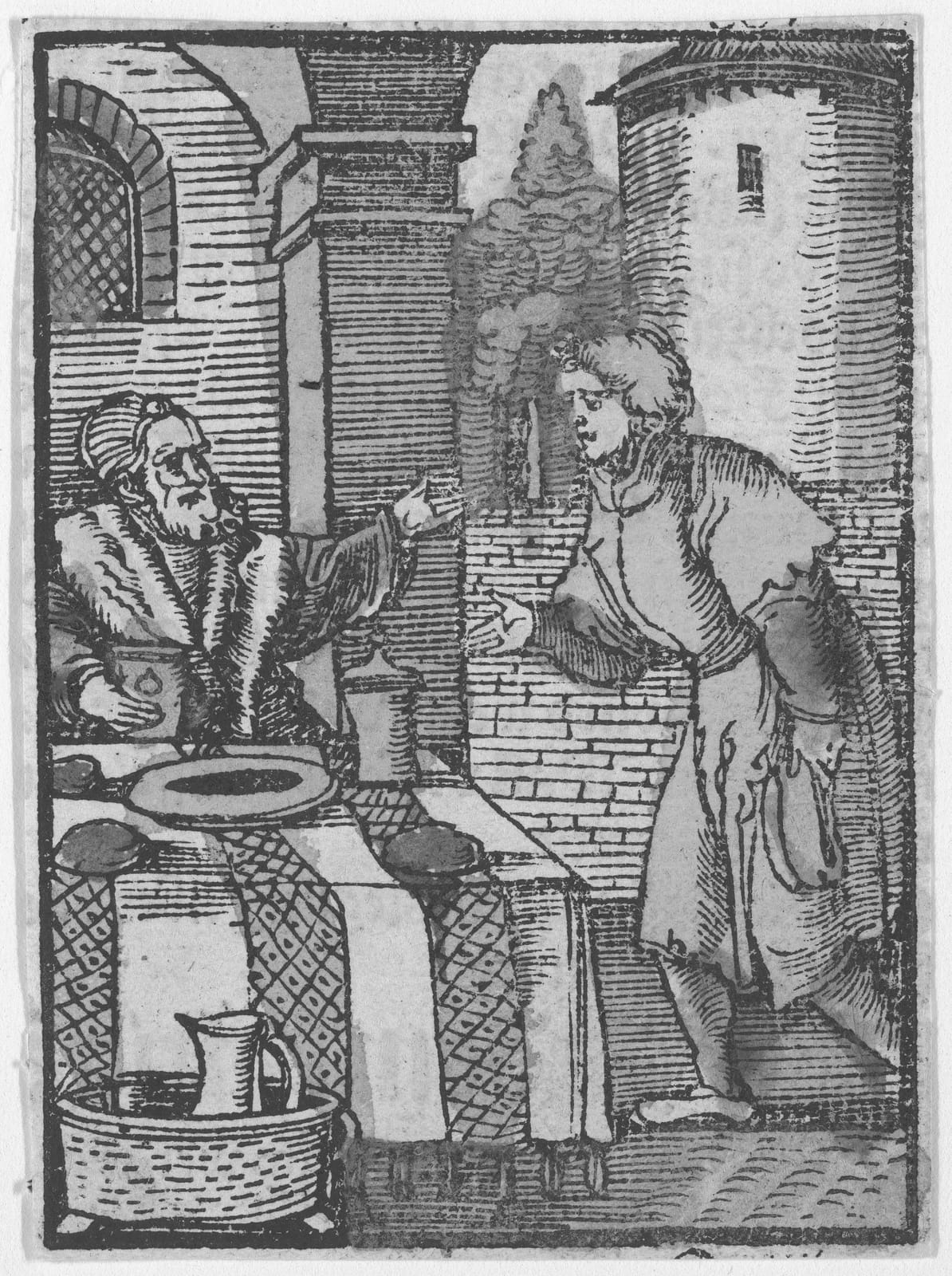
The parable of the banquet whose invited guests stayed away
Hans Schäufelein (1480–1540), The Parable of the Banquet without Guests, from Das Plenarium, 1517. Credits

Email view of this day