This day

October 5, 2022

After Pentecost

October 5, 2022

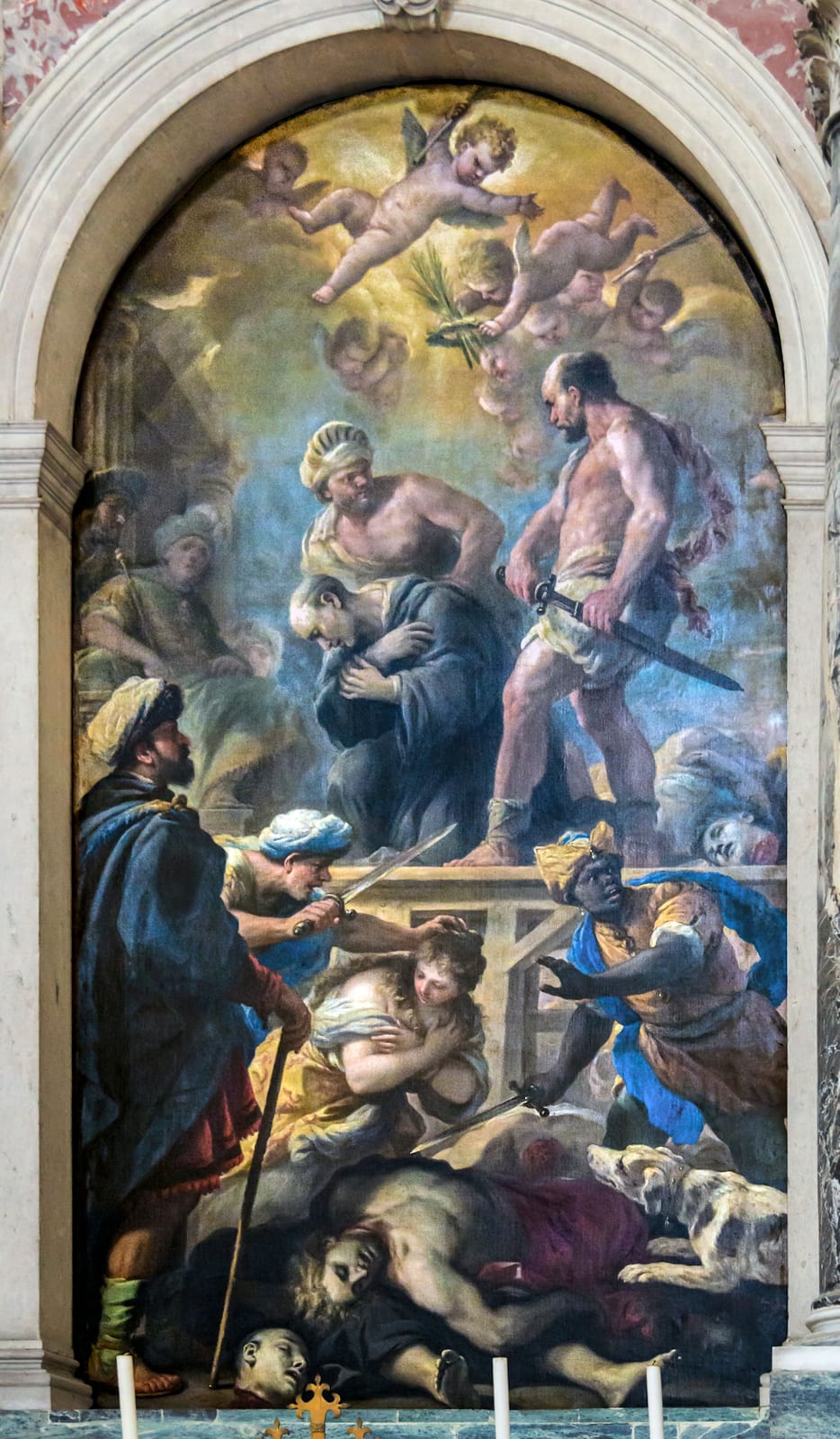
October 5: St. Placid and His Companions, Martyrs

From Dom Guéranger’s The Liturgical Year.

The protomartyr of the Benedictine Order stands before us to-day in his strength and in his beauty. The empire had fallen, and the yoke of the Arian Goths lay heavy upon Italy. Rome was no longer in the hands of the glorious races which had made her greatness; these, nevertheless, kept up their honourable traditions. They offered a great lesson, for future times of revolution, to other descendants of not less noble families: in lieu of the ensign of civic honour once committed to their fathers, the survivors of the old patrician ranks made it their duty to raise still higher the standard of true heroism, of those virtues which alone are everlasting. Thus Benedict of Nursia, fleeing into the desert, had rendered greater service than any mighty conqueror to Rome and her immortal destinies. The world soon discovered this fact; and then began, as St. Gregory tells us, the concourse of Roman nobles, bringing their children to the patriarch of monks, to be educated by him for almighty God.

Placid was the eldest son of the patrician Tertullus. The excellent qualities early discovered in the child led his worthy father to offer to God, without delay, this dear first-fruit of his paternity.

This week's Sunday: The Seventeenth Sunday after Pentecost

From Dom Guéranger’s The Liturgical Year.

The Gospel, which is now assigned to the Mass of the seventeenth Sunday, has given it the name of the Sunday of the love of God, dating, that is, from the time when the Gospel of the cure of the dropsy and of the invitation to the wedding-feast was anticipated by eight days. Previously even to that change, and from the very first, there used to be read, on this seventeenth Sunday, another passage from the new Testament, which is no longer found in this series of Sundays: it was the Gospel which mentions the difficulty regarding the resurrection of the dead, which the Sadducees proposed to our Lord.

The judgments of God are always just, whether it be, in His justice, humbling the proud, or, in His mercy, exalting the humble. This day last week we saw this sovereign disposer of all things, allotting to each his place at the divine banquet. Let us recall to mind the behaviour of the guests, and the respective treatment shown to the humble and the proud. Adoring these judgments of our Lord, let us sing our Introit; and, as far as regards ourselves, let us throw ourselves entirely upon His mercy.

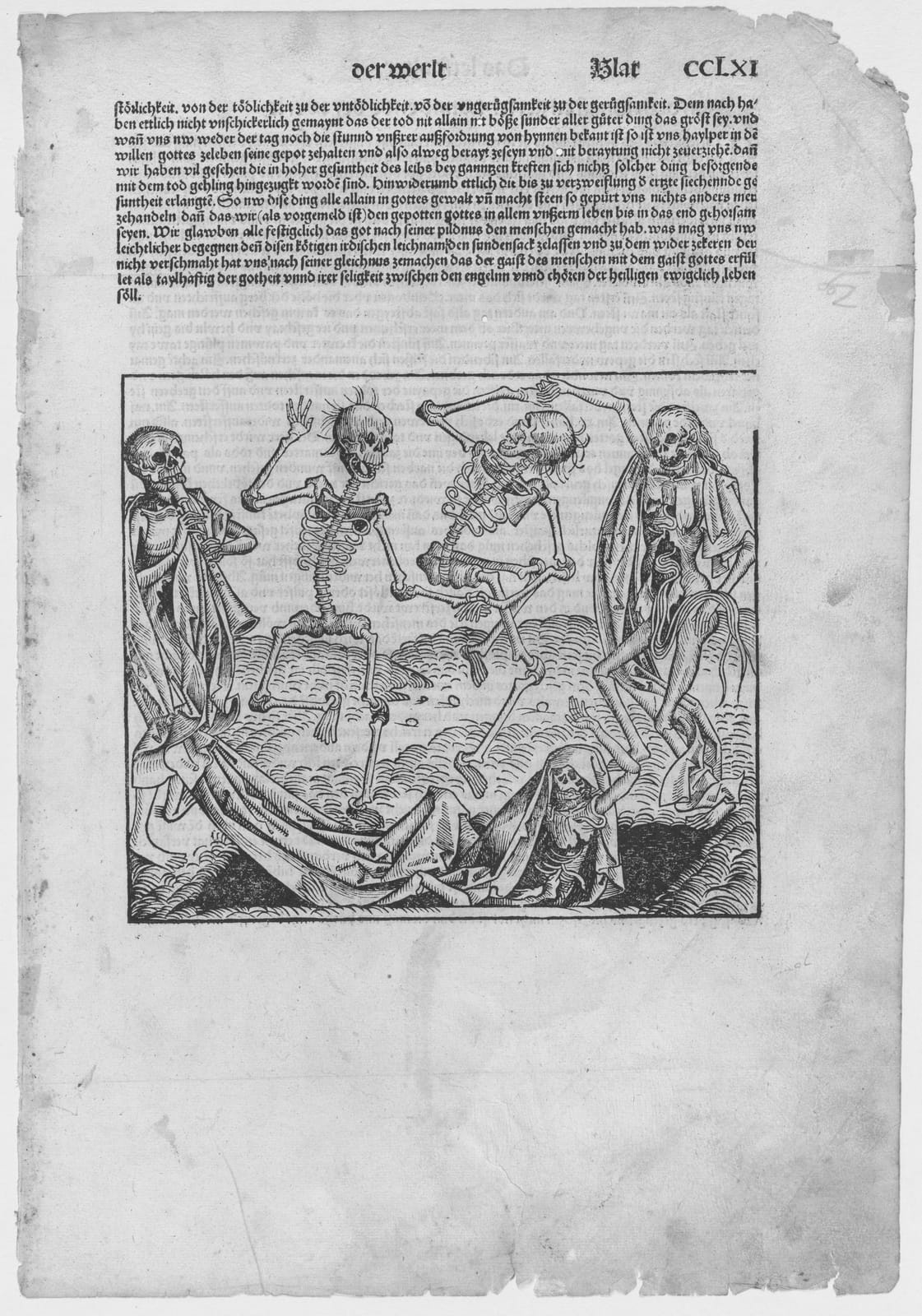
The dance of death, a leaf from the Nuremberg Chronicle
Michael Wolgemut (1434–1519), Dance of Death, from The Nuremberg Chronicle, 1493. Credits

Email view of this day