This day

November 4, 2022

St. Charles Borromeo
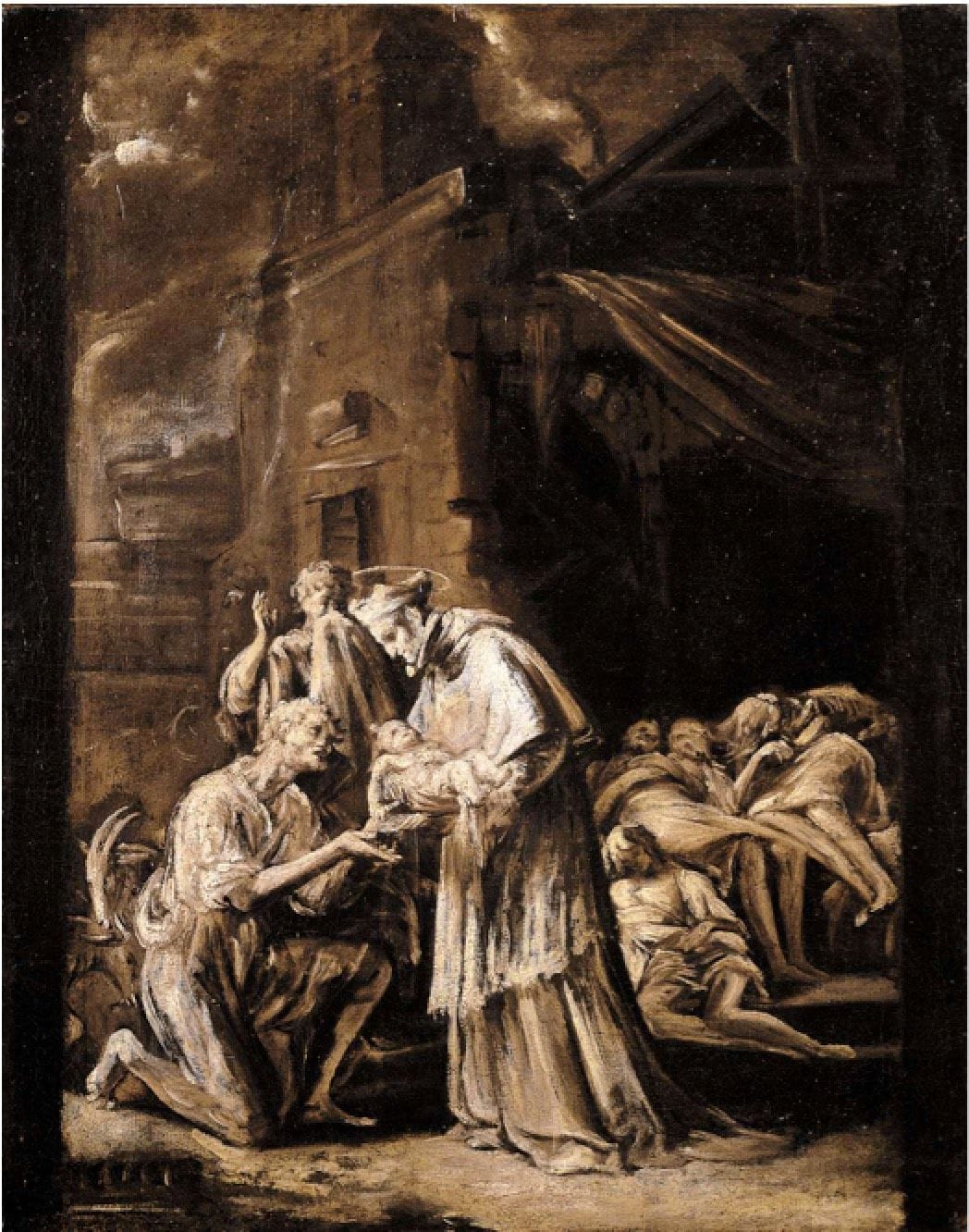
Saint Charles Borromeo Visiting the Plague Victims, Orazio Borgianni (1574–1616), before 1616. Credits

After Pentecost

November 4, 2022

A Double leads; Sts. Vitalis and Agricola are commemorated.Rubric

November 4: St. Charles, Bishop and Confessor

From Dom Guéranger’s The Liturgical Year.

HUMILITAS. This word already stood, crowned with gold, upon his family escutcheon, when Charles was born at the castle of Arona. It had been said of the Borromeos that they knew nothing of humility, except to bear it on their coat of arms: but the time had now come, when the mysterious device was to be justified by the most illustrious scion of that noble family; and when, at the zenith of his greatness, a Borromeo would learn to void his heart of self, in order that God might fill it. Far, however, from abjuring the high-mindedness of his race, the humble Saint was the most intrepid of them all, while his enterprises were to eclipse the noble exploits of a long line of ancestors. One more proof that humility never debases.

Charles was scarcely twenty-two years of age, when Pius IV, his maternal uncle, called him to the difficult post of Secretary of State, shortly afterwards created him Cardinal and Archbishop of Milan, and seemed to take pleasure in heaping honours and responsibilities on his young shoulders. The late Pontiff, Paul IV., had been ill requited for placing asimilar confidence in his nephews the Caraffas, who ended their days upon the scaffold.
Chapter 6: On Holy Communion during the Time after Pentecost

From Dom Guéranger’s The Liturgical Year.

If, in the early stages of the liturgical year, in Advent, at Christmas, and during the periods of Septuagesima and Lent, when there was question of nothing beyond a preparation for the divine mysteries which wrought our salvation—if, in the name of holy Church, we then invited the faithful to have recourse to the sacrament of our Lord’s Body, as being the heavenly nourishment that would support them in the glorious career on which they had entered; now that the work is done, that they have risen again with their Redeemer, that they have followed Him, by their desires and their hopes, even to the very summit of heaven—now that the Holy Ghost has come down upon this earth, that He might complete within them the work of their union with God, surely, nothing could profit them more than that they nourish themselves, and even more frequently than before, with the Bread of life, which came from heaven, that He might give life to the world.

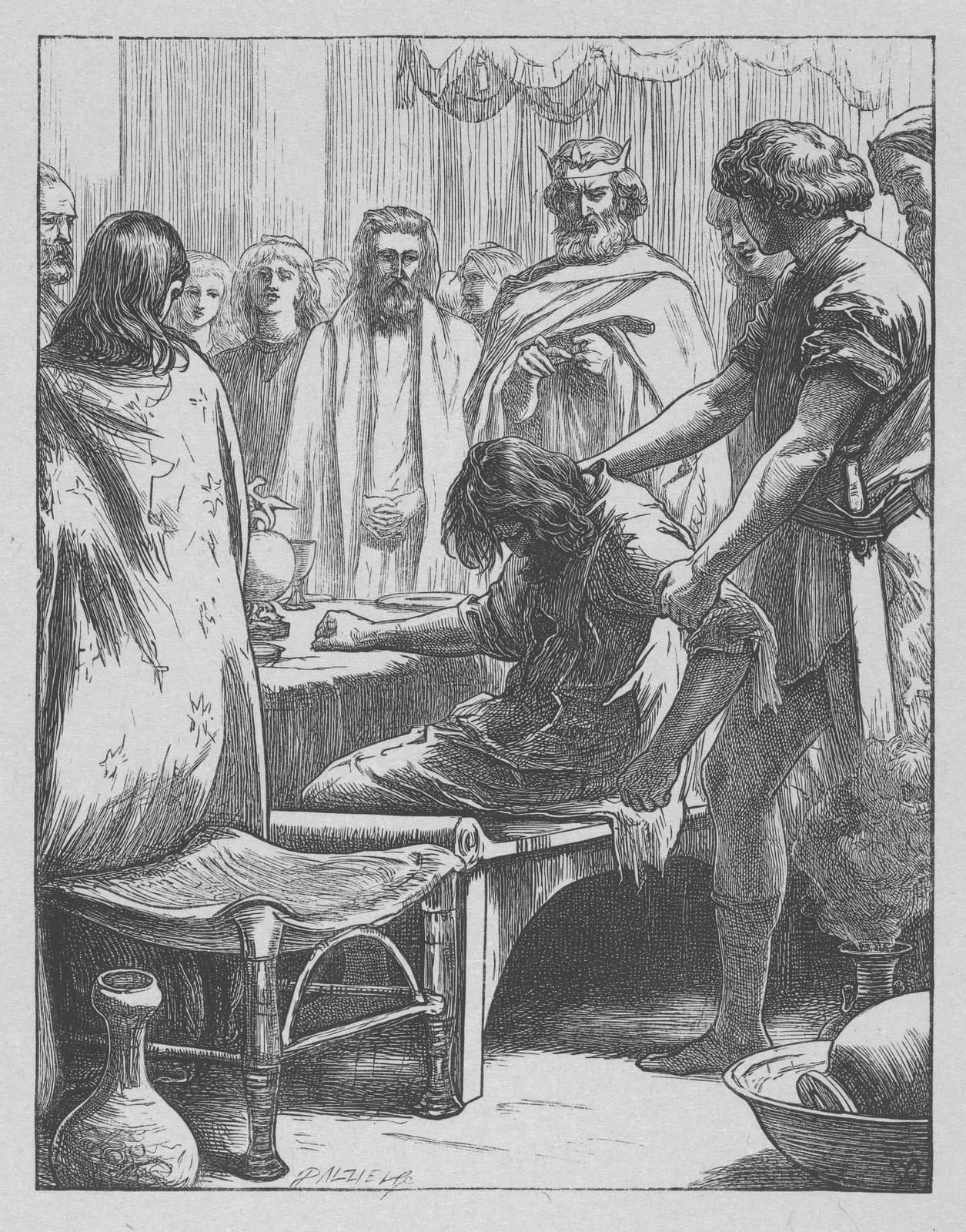
The marriage feast: the guest without a wedding garment
Sir John Everett Millais (1829–1896), The Marriage Feast, from The Parables of Our Lord and Saviour Jesus Christ, 1864. Credits

Email view of this day