This day

November 19, 2022

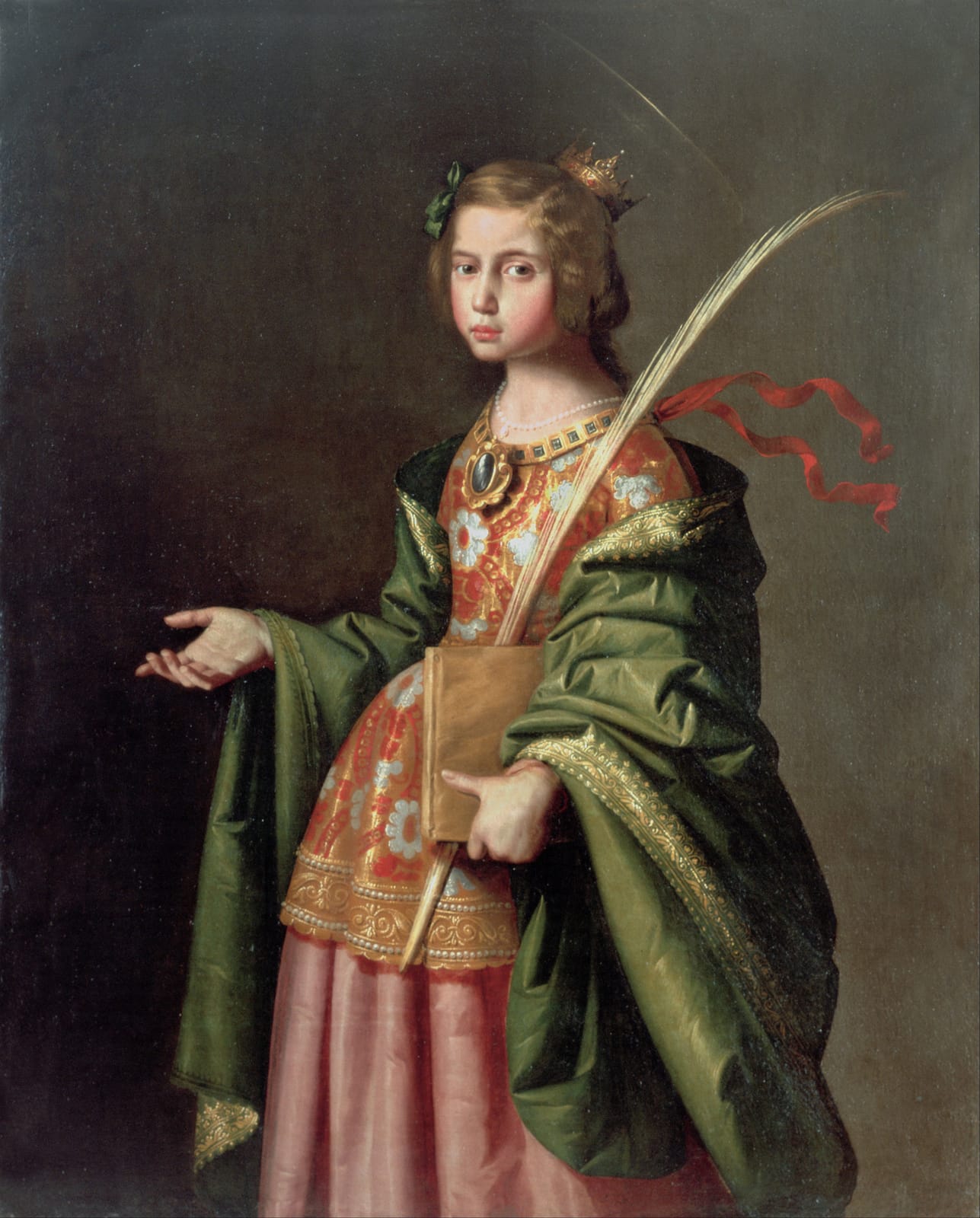
Saint Elizabeth of Thuringia
Saint Elizabeth of Thuringia, Francisco de Zurbarán (1598–1664), c. 1640. Credits

After Pentecost

November 19, 2022

A Double leads; St. Pontian is commemorated.Rubric

November 19: St. Elizabeth of Hungary, Duchess of Thuringia

From Dom Guéranger’s The Liturgical Year.

ALTHOUGH the blessed in heaven shine each with his own peculiar glory, God is pleased to group them in families, as he groups the stars in the material firmament. It is grace that presides over the arrangement of these constellations in the heaven of the Saints; but sometimes it seems as if God wished to remind us that he is the sole Author of both grace and nature; and inviting them, in spite of the fall, to honour him unitedly in his elect, he causes sanctity to become a glorious heirloom, handed down from generation to generation in the same family on earth. Among these races, none can compare with that royal line which, beginning in ancient Pannonia, spread its branches over the world in the most flourishing days of Christendom: Rich in virtue and studying beautifulness, as Scripture says, it brought peace into all the royal houses of Europe, with which it was allied; and the many names it has inscribed in the golden book of the blessed, perpetuate its glory.

Among these illustrious names, and surrounded by them as a diamond set in a circle of pearls, the greatest, in the esteem of the Church and of the people, is that of the amiable Saint, who was ripe for heaven at the age of twenty-four years, and who ascended on this day into the company of Stephen, Emeric, and Ladislas.
Chapter 5: On Hearing Mass during the Time after Pentecost

From Dom Guéranger’s The Liturgical Year.

Of all the good acts wherewith a Christian can sanctify his day, there is not one which bears comparison with that of assisting at the holy sacrifice of the Mass. It is in that sacrifice, the supreme act of religion, that is centred all the homage due from man to his Creator; and it is also from the same sacrifice that God pours out profusely upon his creature man every sort of blessing. The very Son of God is really present there; there He is offered up to His Father, and the offering is always well-pleasing; and they who assist at this divine immolation with faith and love receive into their souls graces of a far richer kind than are given by ordinary means.

The assistance at Mass, if completed by the real participation of the divine victim, unites man to God in an ineffable way by the renovation of his whole being, for it produces an intimate communion between him and the Word Incarnate. But if the Christian who is assisting at the holy sacrifice goes no further than the uniting of his intentions with those of the divine victim, even so, his mere presence at so great an act includes a true participation in the supreme worship offered by this earth of ours to the Majesty of God, in Christ, and by Christ.

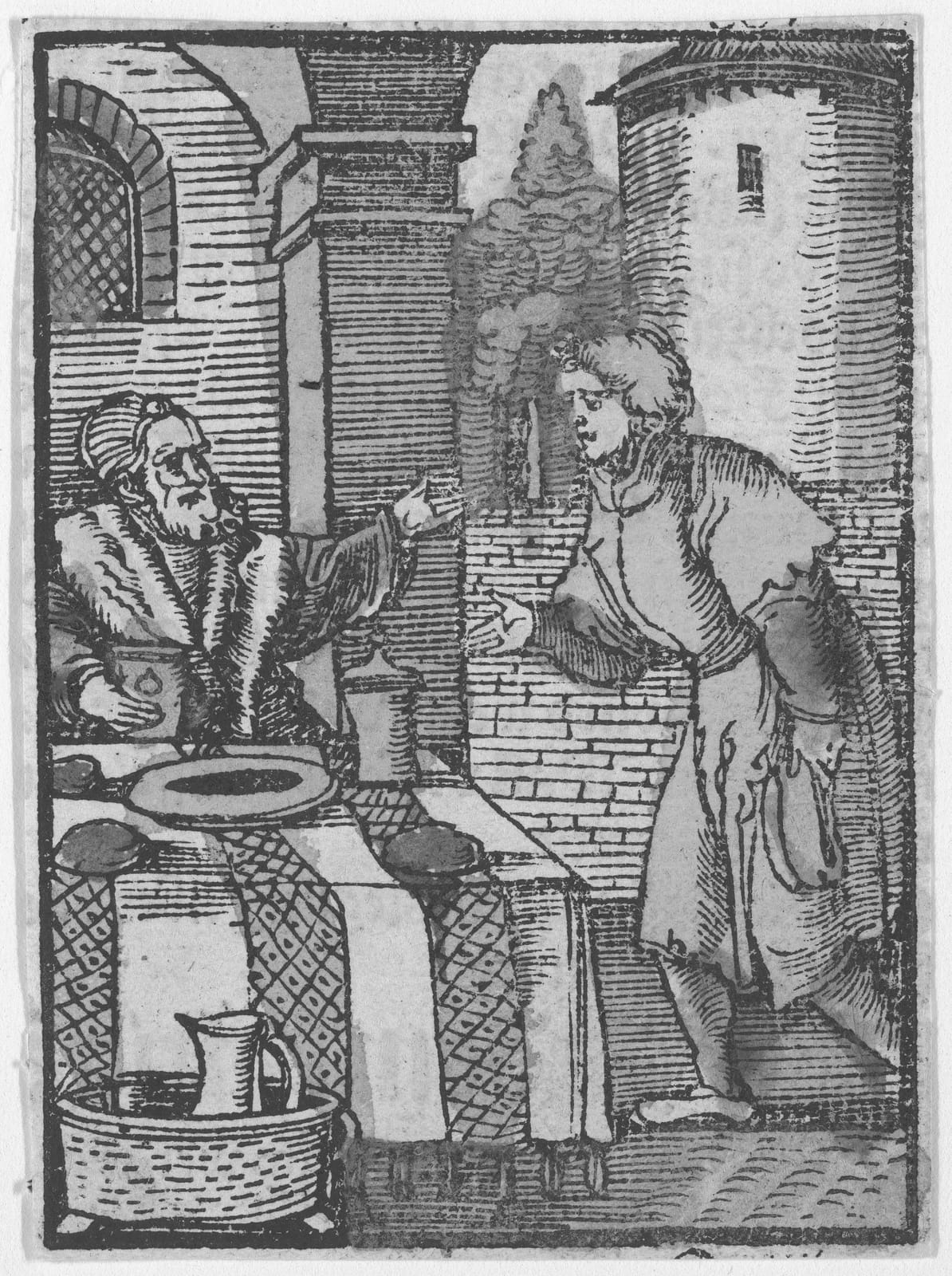
The parable of the banquet whose invited guests stayed away
Hans Schäufelein (1480–1540), The Parable of the Banquet without Guests, from Das Plenarium, 1517. Credits

Email view of this day