This day

November 21, 2022

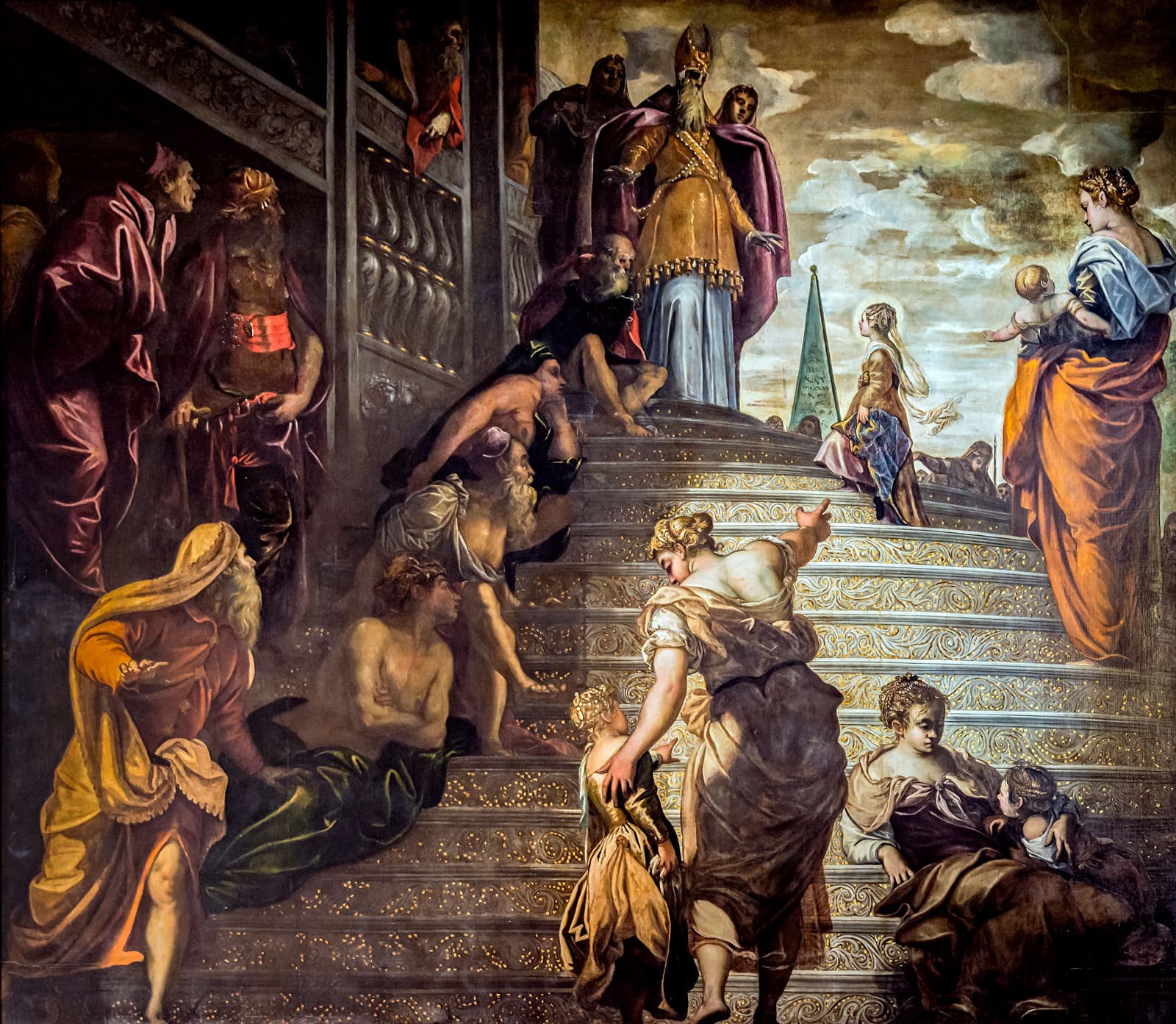
The Presentation of the Virgin
The Presentation of the Virgin, Jacopo Tintoretto (1519–1594), 1552–1553. Photo: Didier Descouens. Credits

After Pentecost

November 21, 2022

November 21: The Presentation of the Blessed Virgin Mary

From Dom Guéranger’s The Liturgical Year.

THE Presentation is one of the minor solemnities of our Lady, and was inscribed at a comparatively late date on the sacred Cycle; it seems to court the homage of our silent contemplation. The world, unknown to itself, is ruled by the secret prayers of the just; and the Queen of saints, in her hidden mysteries, wrought far more powerfully than the so-called great men, whose noisy achievements fill the annals of the human race.

The East had been celebrating for seven centuries at least the entrance of the Mother of God into the temple of Jerusalem, when in 1372 Gregory XI. permitted it to be kept for the first time by the Roman court at Avignon. Mary in return broke the chains of captivity, that had bound the Papacy for seventy years; and soon the successor of St. Peter returned to Rome. The feast of the Visitation, as we saw on July 2nd, was in like manner inserted in the Western Calendar, to commemorate the re-establishment of unity after the schism which followed the exile.

In 1373, following the example of the Sovereign Pontiff, Charles V. of France introduced the feast of the Presentation into the chapel of his palace.

This week's Sunday: The Twenty-Fourth Sunday after Pentecost

From Dom Guéranger’s The Liturgical Year.

The number of the Sundays after Pentecost may exceed twenty-four, and go as far as twenty-eight, according as Easter is each year more or less near to the vernal equinox. But the Mass here given is always reserved for the last; and the intervening ones, be their number what it may, are taken from the Sundays after the Epiphany, which, in that case, were not used at the beginning of the year. This, however, does not apply to the Introit, Gradual, Offertory, and Communion, which, as we have already said, are repeated from the twenty-third Sunday.

We have seen how that Mass of the twenty-third Sunday was regarded, by our forefathers, as really the last of the cycle. Abbot Rupert has given us the profound meaning of its several parts. According to the teaching we have already pondered over, the reconciliation of Juda was shown us as being, in time, the term intended by God: the last notes of the sacred liturgy blended with the last scene of the world’s history, as seen and known by God.

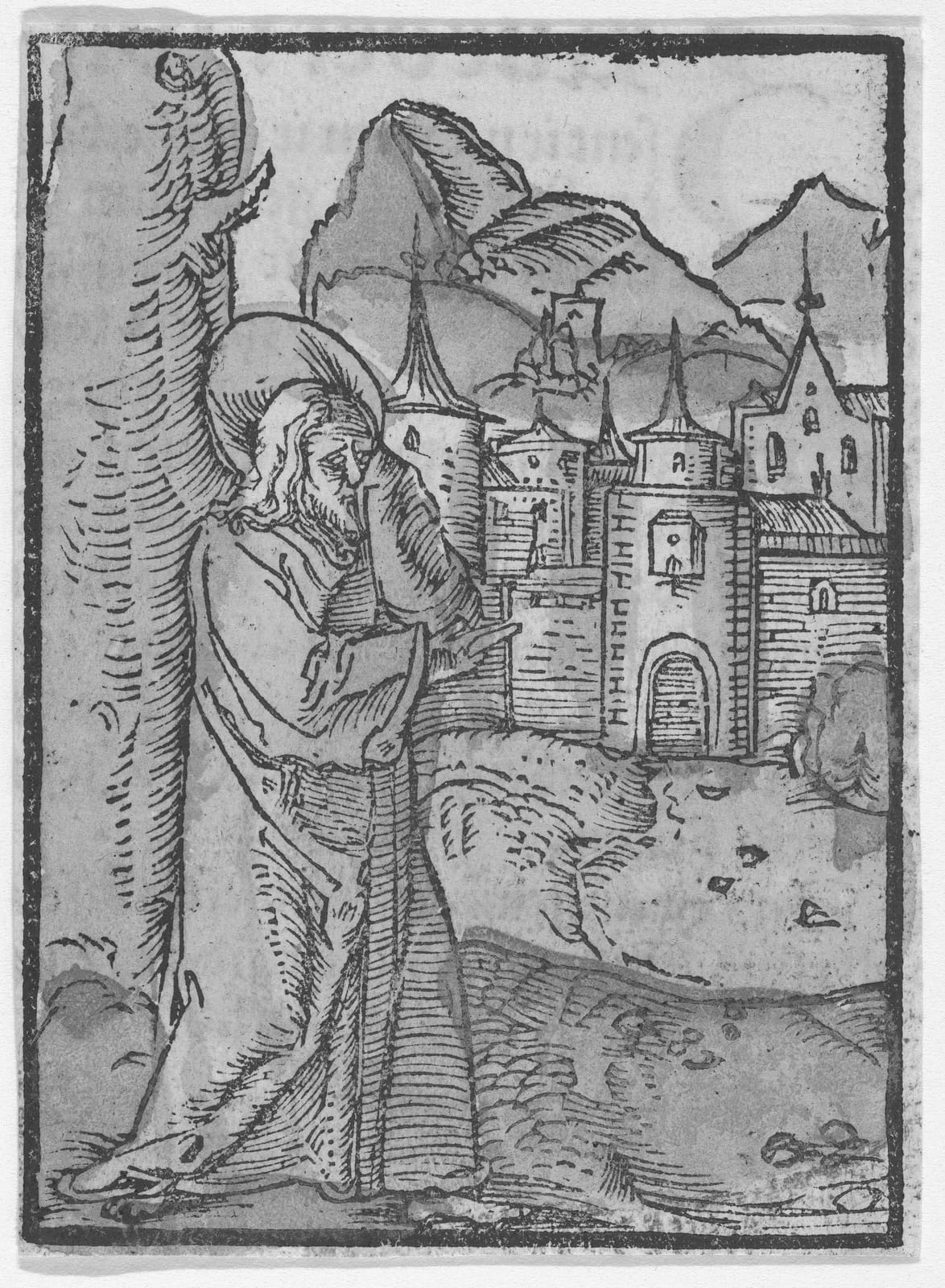
Christ weeping over Jerusalem
Hans Schäufelein (1480–1540), Christ Deploring Jerusalem, from Das Plenarium, 1517. Credits

Email view of this day