
This day

July 15, 2023

After Pentecost

July 15, 2023

July 15: St. Henry, Emperor

From Dom Guéranger’s The Liturgical Year.

HENRY of Germany, the second king, but the first emperor of that name, was the last crowned representative of that branch of the house of Saxony descended from Henry the Fowler, to which God, in the tenth century, entrusted the mission of restoring the work of Charlemagne and Leo III. This noble stock was rendered more glorious in the flowers of sanctity adorning its branches than in the deep and powerful roots it struck in the German soil by great and long-enduring institutions.

The Holy Spirit, who divideth His gifts according as He will, was then calling to the loftiest destinies that land which, more than any other, had witnessed the energy of His divine action in the transformation of nations. Won to Christ by St. Boniface and the continuators of his work, the vast country which extends beyond the Rhine and the Danube had become the bulwark of the West, and for many years had been the scene of devastation and ruin. Far from attempting to subjugate to her own rule the formidable tribes that inhabited it, pagan Rome, at the very zenith of her power, had had no higher ambition than to raise a wall of separation between them and the Empire: Christian Rome, more truly mistress of the world, set up in their very midst the seat of the Holy Roman Empire reestablished by her Pontiffs.

This week's Sunday: The Sixth Sunday after Pentecost

From Dom Guéranger’s The Liturgical Year.

The Office for the sixth Sunday after Pentecost, which began yesterday evening, reminded us, in its Magnificat antiphon, of a repentance which has never had an equal. David, the royal prophet, the conqueror of Goliath, himself conquered by sensuality, and from adulterer become a murderer, at last felt the crushing weight of his double crime, and exclaimed: 'I do beseech thee, O Lord, take away the iniquity of thy servant, for I have done foolishly!'

Sin is always a folly and a weakness, no matter of what kind it may be, or who he be that commits it. The rebel angel, and fallen man, may, in their pride, make efforts to persuade themselves that, when they sinned, they did not act as fools, and were not weak; but all their efforts are vain; sin must ever have this disgrace upon it, that it is folly and weakness, for it is a revolt against God, a contempt for His law, a mad act or the creature, who, being made by his. Creator to attain infinite happiness and glory, prefers to debase himself by turning towards nothingness, and then falls even lower than the nothingness from which he was taken.

The parable of the wheat and the weeds
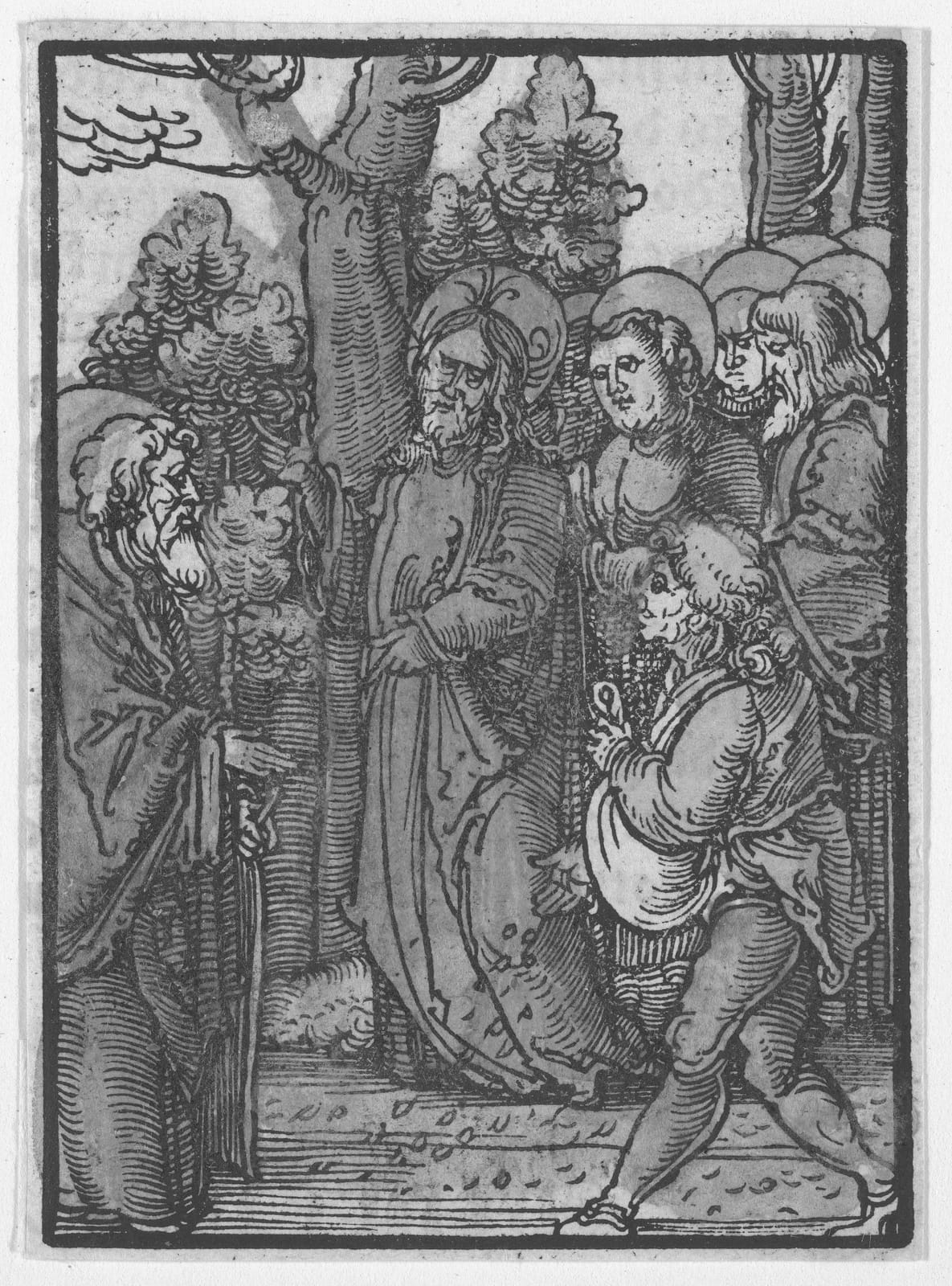
Hans Schäufelein (1480–1540), The Parable of the Sower and the Weeds, from Das Plenarium, 1517. Credits

Email view of this day