This day

August 9, 2023

After Pentecost

August 9, 2023

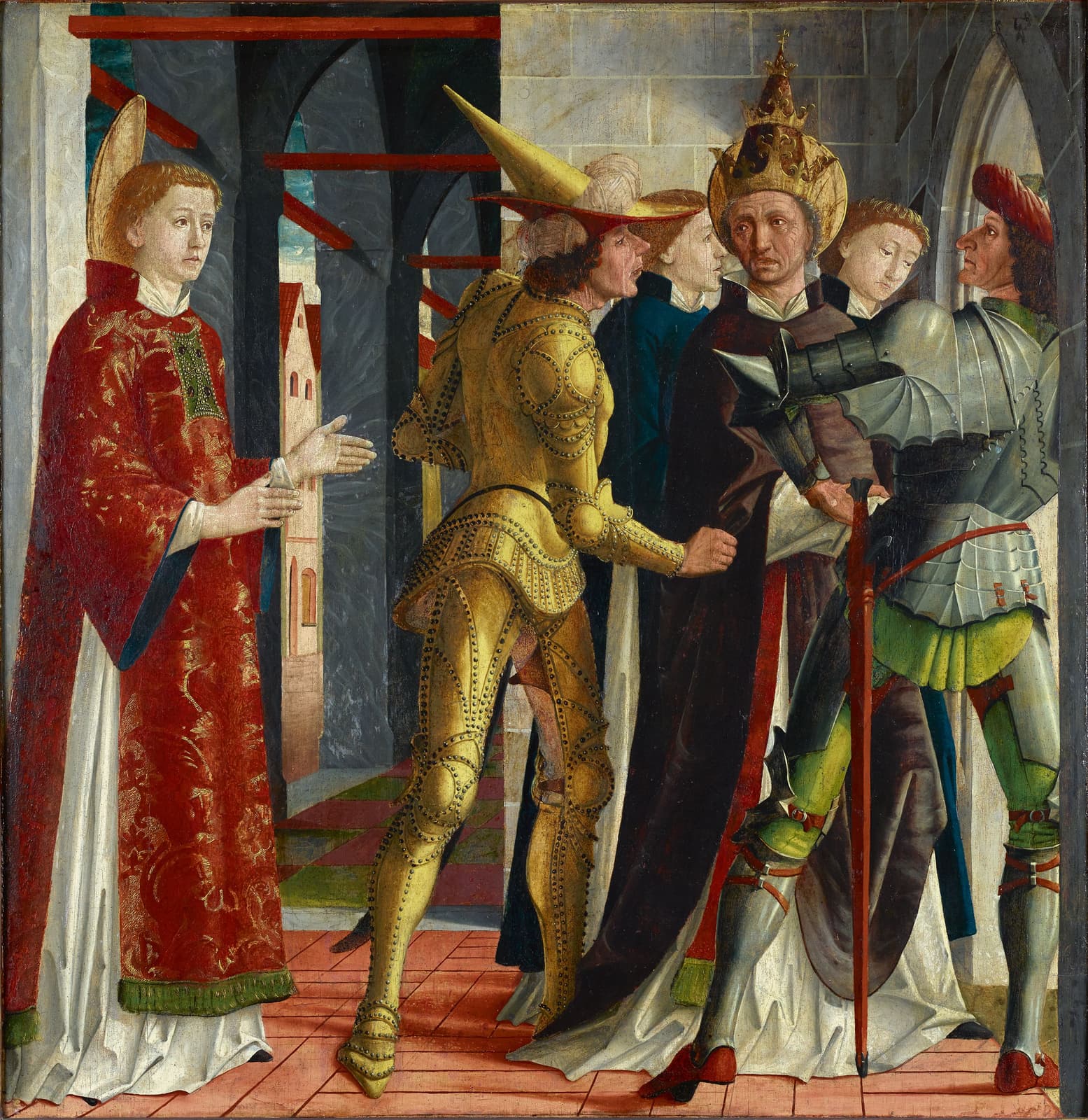
August 9: Vigil of St. Laurence (and St. Romanus, Martyr)

From Dom Guéranger’s The Liturgical Year.

'FEAR not, My servant, for I am with thee, saith the Lord. If thou pass through fire, the flame shall not hurt thee, and the odour of fire shall not be in thee. I will deliver thee out of the hand of the wicked, and I will redeem thee out of the hand of the mighty.' It was the hour of combat; and Wisdom, more powerful than flame, was calling upon Laurence to win the laurels of victory presaged by his very name. The three days since the death of Sixtus had passed at length, and the deacon’s exile was about to close: he was soon to stand beside his pontiff at the altar in heaven, and never more to be separated from him. But before going to perform his office as deacon in the eternal sacrifice, he must on this earth, where the seeds of eternity are sown, give proof of the brave faithfulness which becomes a Levite of the law of love. Laurence was ready. He had said to Sixtus: ' Try the fidelity of the minister to whom thou didst intrust the dispensation of the Blood of our Lord.’

This week's Sunday: The Tenth Sunday after Pentecost

From Dom Guéranger’s The Liturgical Year.

The destruction of Jerusalem has closed that portion of the prophetic Scriptures which was based on the institutions and history of the figurative period. The altar of the true God, built by Solomon on the summit of Moriah, was the authentic evidence of the true religion, to those who were then living under the Law of expectation. Even after the promulgation of the new Testament, the continued existence of that altar (the only one heretofore recognized by the Most High as His own) was some sort of an excuse for such of the Jews as clung obstinately to the old order of things. That excuse was taken away when the temple was so destroyed as that not a stone was left on a stone; and the blindest partisans of the Mosaic system were compelled to acknowledge the total abrogation of a religion which was reduced by God Himself to the impossibility of ever offering the sacrifices essential to its existence.

The considerateness wherewith the Church had, so far, treated the Synagogue would henceforward be unmeaning.

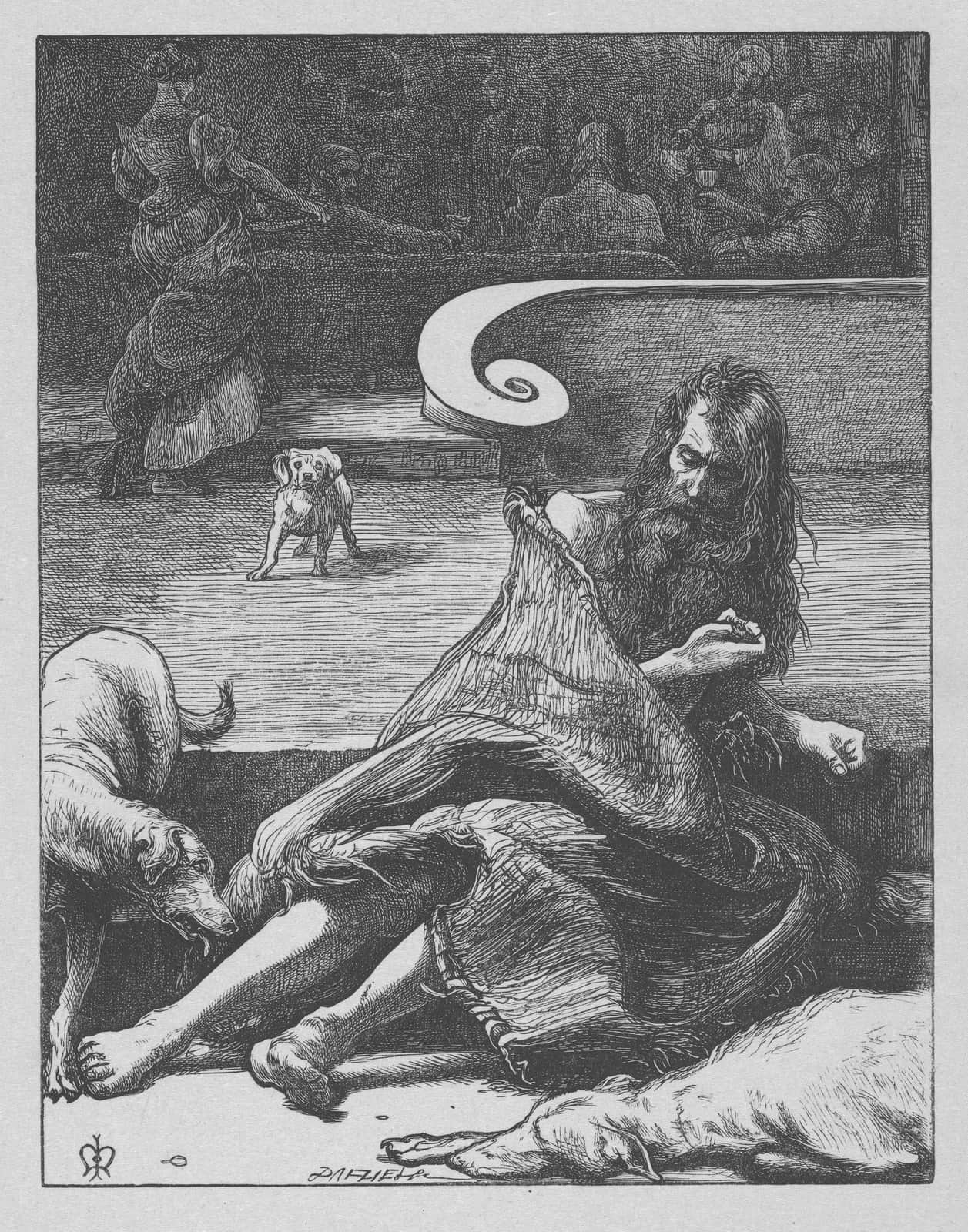
The rich man and Lazarus
Sir John Everett Millais (1829–1896), The Rich Man and Lazarus, from The Parables of Our Lord and Saviour Jesus Christ, 1864. Credits

Email view of this day