This day

August 11, 2023

After Pentecost

August 11, 2023

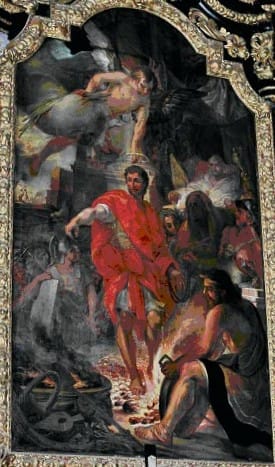
August 11: Sts. Tiburtius and Susanna, Martyrs

From Dom Guéranger’s The Liturgical Year.

LAURENCE is followed to-day by the son of Chromatius, prefect of Rome, Tiburtius, who also suffered upon burning coals for the confession of his faith. Though forty years intervened between the two martyrdoms, it was the same Holy Spirit that animated these witnesses of Christ and suggested to them the same answer to their executioners. Tiburtius, walking upon the fire, cried out: 'Learn that the God of the Christians is the only God, for these hot coals seem flowers to me.'

Equally near to the great archdeacon stands an illustrious virgin, so bright herself as not to be eclipsed by him. A relative of both the Emperor Diocletian, and the holy Pope Caius, Susanna, it is said, one day beheld the imperial crown at her feet. But she obtained a far greater nobility; for, by preferring the wreath, of virginity, she won at the same time the palm of martyrdom.

Now, as St. Leo remarks, on the glorious solemnity whose octave we are keeping, if no one is good for himself alone, if the favours of Divine Wisdom profit not only the recipient, then no one is more wise than the martyr, no eloquence can instruct the people so well as his.

This week's Sunday: The Tenth Sunday after Pentecost

From Dom Guéranger’s The Liturgical Year.

The destruction of Jerusalem has closed that portion of the prophetic Scriptures which was based on the institutions and history of the figurative period. The altar of the true God, built by Solomon on the summit of Moriah, was the authentic evidence of the true religion, to those who were then living under the Law of expectation. Even after the promulgation of the new Testament, the continued existence of that altar (the only one heretofore recognized by the Most High as His own) was some sort of an excuse for such of the Jews as clung obstinately to the old order of things. That excuse was taken away when the temple was so destroyed as that not a stone was left on a stone; and the blindest partisans of the Mosaic system were compelled to acknowledge the total abrogation of a religion which was reduced by God Himself to the impossibility of ever offering the sacrifices essential to its existence.

The considerateness wherewith the Church had, so far, treated the Synagogue would henceforward be unmeaning.

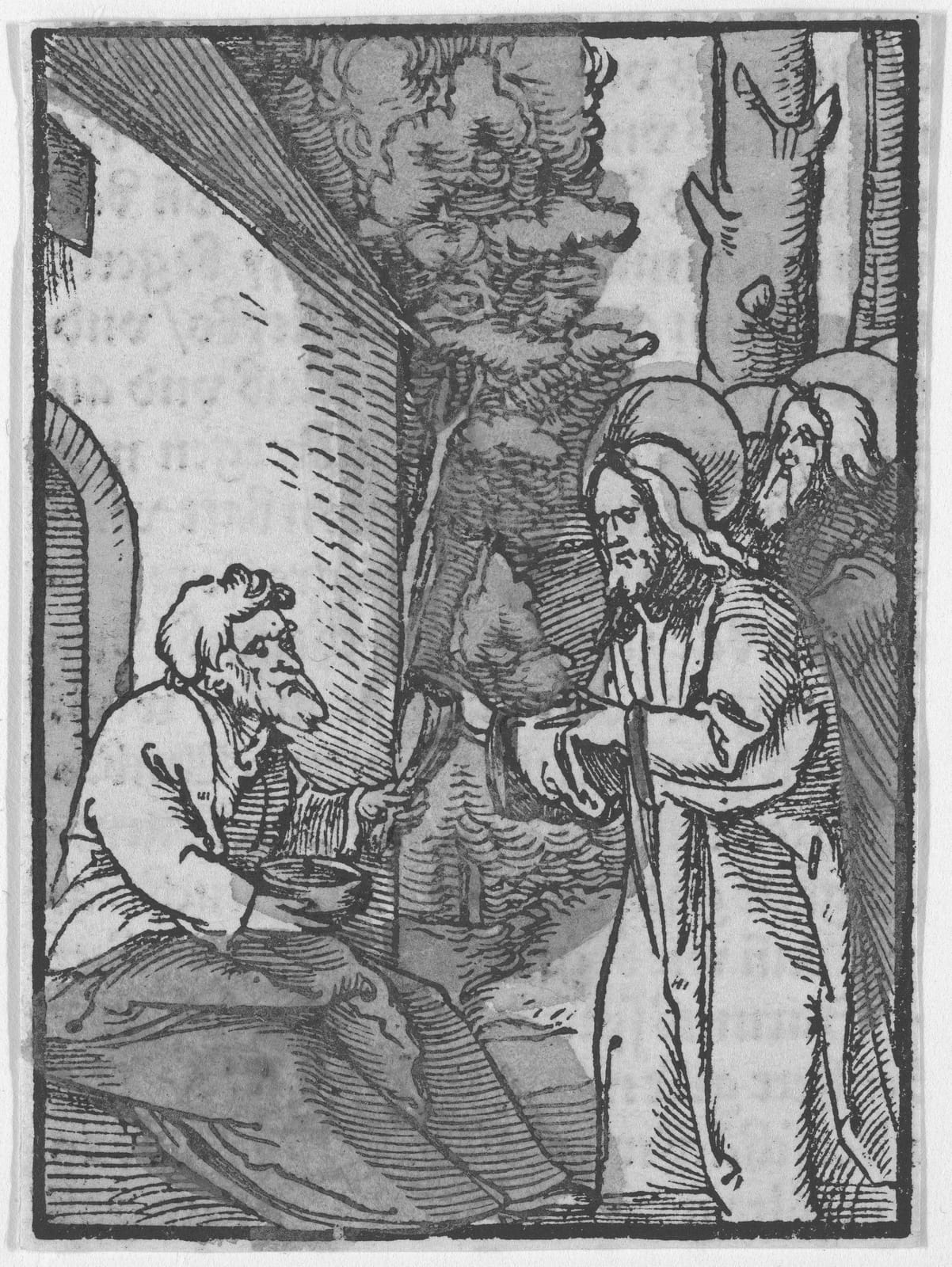
Christ healing a leper
Hans Schäufelein (1480–1540), Christ Healing the Leper, from Das Plenarium, 1517. Credits

Email view of this day